REVIEW · SIEM REAP
2-Day Explore Angkor Temple & Floating Village
Book on Viator →Operated by Sightseeing Cambodia · Bookable on Viator
Angkor without the stress is the goal. This 2-day private circuit pairs classic temples with an early 4:40 am start and practical perks like cold towels that make the long days feel manageable, guided by licensed English-speaking pros. One key drawback: temple admission isn’t included, so you’ll budget the $62 two-day Angkor pass plus the separate Tonle Sap boat/entry fees.
What I like about this plan is the way it avoids a straight repeat of the biggest photo spots. Day 1 builds momentum through Angkor Thom and ends with the sunset viewpoint at Phnom Bakheng, then Day 2 swaps in sunrise at Angkor Wat and a spread of smaller temples before finishing on Tonle Sap’s floating village experience.
The itinerary is also nicely structured. You get set time blocks at each site (often 20–60 minutes), plus a lunch break inside the Angkor area. If you prefer a more slow, wander-at-will style, you may find the day-to-day pace a lot. But if you want maximum “see it, understand it, move on” value, this fits.
In This Review
- Key Things You’ll Like About This 2-Day Angkor + Floating Village Plan
- Price and Value: What the $110 Really Covers
- Hotel Pickup and Air-Conditioned Comfort That Keeps You Moving
- Day 1: Angkor Thom South Gate, Bayon, Baphuon, and the Terrace of the Elephants
- Day 1 Lunch at Angkor Park: Plan for a Pricey Meal
- Day 1: Angkor Wat and Phnom Bakheng Sunset
- Day 2 Starts Early: 4:40 am Pickup for Sunrise at Angkor Wat
- Ta Prohm, Pre Rup, Ta Som, and Neak Pean: Temples With Different Personalities
- Preah Khan, Lunch in the Angkor Area, and the Move Toward Banteay Srei
- Tonle Sap Floating Village: Private Boat Ride on the Way Back
- How the Timing Works: Pacing You Can Actually Follow
- Who Should Book This Tour (and Who Might Want Something Slower)
- Should You Book This 2-Day Explore Angkor Temple & Floating Village Tour?
- FAQ
- How long is the 2-Day Explore Angkor Temple & Floating Village tour?
- What does the $110 per person price include?
- What tickets and fees are not included?
- Does the tour offer hotel pickup and drop-off?
- What time is the sunrise pickup on day 2?
- Is this tour private?
- What is the cancellation policy?
- Can most travelers participate?
Key Things You’ll Like About This 2-Day Angkor + Floating Village Plan
- Licensed English-speaking guidance with an air-conditioned vehicle and hotel pickup/drop-off
- Sunrise and sunset timing at Angkor Wat (day 2) and Phnom Bakheng (day 1)
- Comfort extras on the road, including cool water and towels during the trip
- Smart temple variety from Angkor Thom’s gates to Ta Prohm and Preah Khan
- Tonle Sap by private boat ride, with the pass/ticket handled separately from the main tour
Price and Value: What the $110 Really Covers
At $110 per person for two days, the tour price is mainly what buys you logistics and guidance: a licensed English-speaking guide, hotel pickup and drop-off, and an air-conditioned vehicle with cool water and towels. That matters in Angkor because temple days are long, and you’ll be hopping between sites.
Then there’s the part that’s easy to miss when you’re planning: the big temple costs are separate. The two-day Angkor pass is $62 per person, and the Tonle Sap side also needs its own pass with the boat ride. Travel insurance is not included either.
So a realistic “planning number” looks like:
- $110 for the tour
- + $62 for the two-day Angkor pass
- + Tonle Sap pass/boat fees (amount not listed here)
- + optional travel insurance
The value is strongest if you want someone to handle timing and transitions for you. You’re not just buying entry fees; you’re buying a guide who can explain what you’re seeing as you move. The itinerary is packed, and paying for that structure is often worth it—especially if this is your first time in Siem Reap and you want the days to run smoothly.
A few more Siem Reap tours and experiences worth a look

Hotel Pickup and Air-Conditioned Comfort That Keeps You Moving
This tour is set up for convenience. You get pickup and drop-off at your hotel, and you’ll travel by an air-conditioned vehicle between sites.
That sounds basic, but it’s a big deal in Angkor. The sites are spread out, and you’ll spend a lot of hours in transit across both days. Having the car ready, plus water and towels during the ride, helps you feel human when you finally get to the next temple.
It’s also a private tour/activity, meaning it’s only your group. That tends to make timing easier. You can usually get more responsive pacing from your guide, and it also avoids the “everyone moves at their own speed” problem that can happen on larger group schedules.
One practical note: the lunch break is planned, but food is your responsibility. Lunch happens at a local restaurant inside the Angkor Park area, and you’re told it’s a bit more expensive than downtown. That’s not a dealbreaker—just know what kind of meal budget you’re signing up for.
Day 1: Angkor Thom South Gate, Bayon, Baphuon, and the Terrace of the Elephants
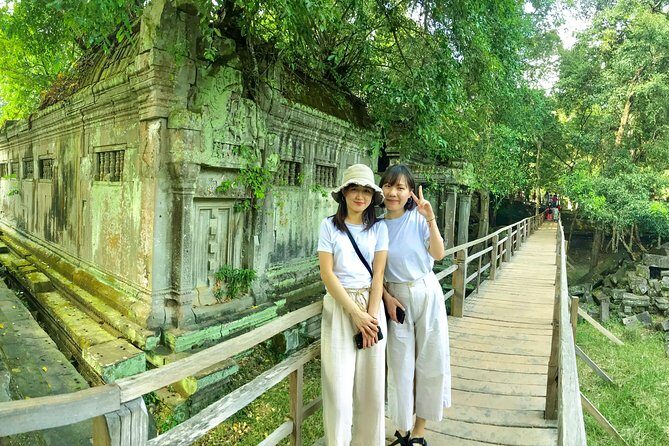
Day 1 is all about Angkor Thom, the late 12th-century walled city and capital of the Khmer empire under King Jayavarman VII. You start at the Angkor Thom South Gate, one of the main entry points into the complex. Even if you’ve seen gate faces in photos, arriving as part of a route helps you place the temple in context—this is the city that framed royal power and ceremonial life.
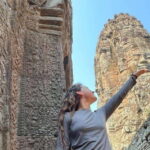
Next is the Bayon Temple, known for its dense decoration and the famous smiling faces. The tour gives you about 45 minutes here, which is enough time to take in the overall structure first, then circle back for detail. If your brain likes to connect dots, this is one of the stops where a guide’s explanation makes a noticeable difference.
You then move to Baphuon, a three-tier temple mountain dedicated to Shiva. It sits northwest of Bayon, so the day naturally shifts from the Bayon’s style and atmosphere to a different temple form—useful because it prevents the day from turning into one long look-alike blur.
After that comes the Terrace of the Elephants, where Jayavarman VII used this terrace as a viewing platform for a victorious return. It’s a short stop in the schedule, but it’s one of those places where you can stand, look around, and feel how ritual and politics were built into the architecture.
Day 1 Lunch at Angkor Park: Plan for a Pricey Meal
Midday, you take about a 60-minute lunch break inside the Angkor area at a local restaurant. The key practical takeaway: you pay for food and beverages yourself, and prices are a little higher than in downtown.
So I recommend treating lunch here like a convenience stop, not a value meal. If you want to control costs, you might choose simpler items and keep your drinks modest. The good news is you get a real reset in the middle of a full day of temples, and that helps you enjoy the afternoon instead of just surviving it.
Day 1: Angkor Wat and Phnom Bakheng Sunset
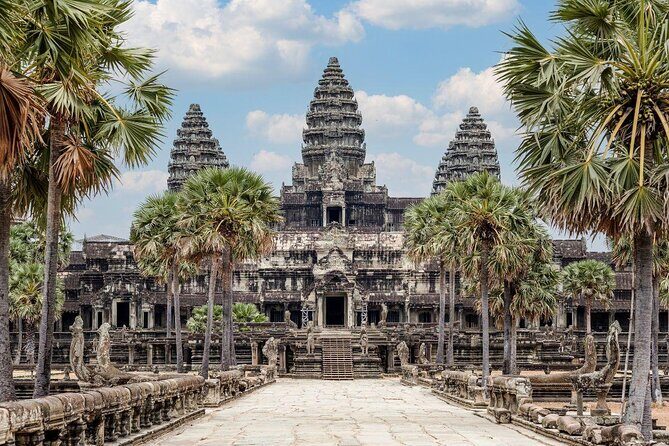
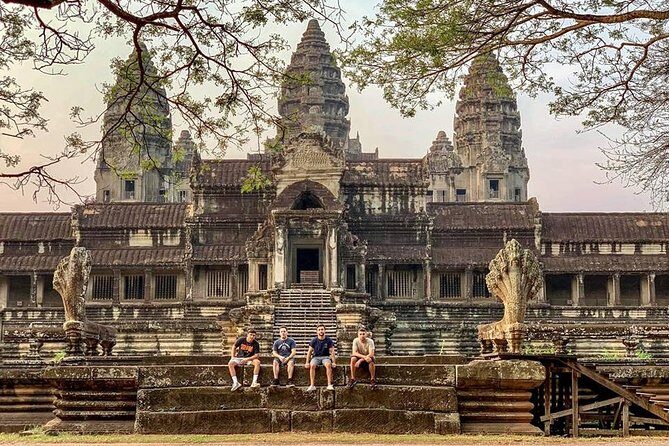
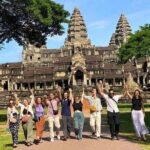
After lunch, you go to Angkor Wat, and the schedule gives you about 1 hour 30 minutes. This is the “big one,” but the timing helps. You’re not rushed in by a tight entry window, and you can spend time understanding the layout and orientation instead of only taking quick pictures.
From there, Day 1 ends with Phnom Bakheng for sunset. Your tour includes time to see the Angkor views from the top, then after sunset your guide takes you back to the hotel to finish the day.
That sunset timing is one of the reasons this tour feels complete. You’re getting both the daytime icon moment at Angkor Wat and the dramatic change of mood from higher ground at Phnom Bakheng. If you’ve only ever done Angkor at noon, this contrast is huge.
Day 2 Starts Early: 4:40 am Pickup for Sunrise at Angkor Wat
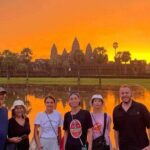
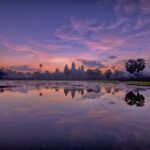
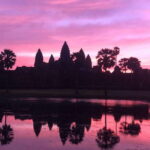
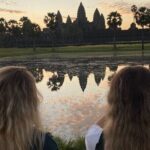
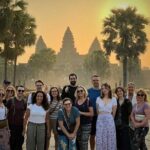
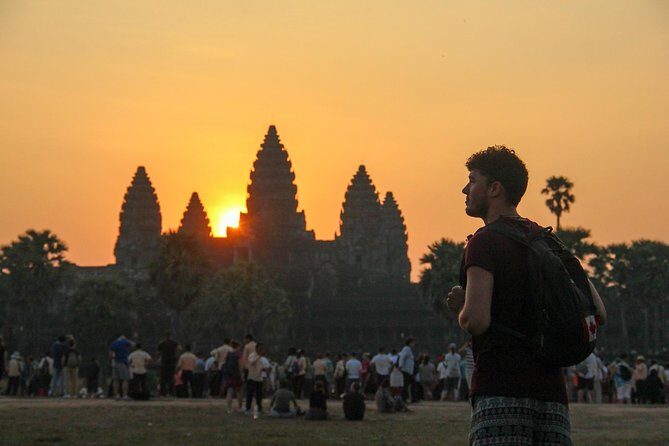
Day 2 starts earlier than you might expect, with a 4:40 am hotel pickup for sunrise at Angkor Wat. The plan includes time at the temple for the sunrise moment, then breakfast nearby at the next destination.
Is that early start for everyone? If you’re the kind of person who likes photos but also wants the atmosphere before crowds and heat (even if you never chase heat, you’ll feel time and energy), sunrise is one of the best ways to experience Angkor Wat in a more emotional way.
After the sunrise portion, the rest of Day 2 is designed to broaden what you see beyond just the headline sites.
Ta Prohm, Pre Rup, Ta Som, and Neak Pean: Temples With Different Personalities
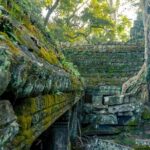
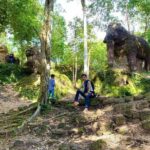
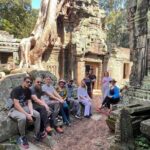
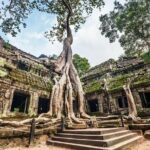
First stop after Angkor Wat sunrise is Ta Prohm, the famous temple with trees growing through structures. You get about 1 hour here, which is great because Ta Prohm is a stop where you’ll want to look up, then look down, then take a minute to understand why the ruin feels so lived-in.
Then you head to Pre Rup, a Hindu temple dedicated to Shiva, built in the 10th century. The schedule gives you 35 minutes. It’s a shorter block, so this works best if you’re okay with doing a quick read of the site’s key elements and moving on rather than lingering for every carved detail.
Next is Ta Som (about 20 minutes), a smaller temple built at the end of the 12th century for Jayavarman VII. Small temples can actually be a relief on a temple trip—they let you slow your mind down a little and focus on layout instead of scale.
After Ta Som comes Neak Pean, an artificial island with a Buddhist temple on a circular island in Jayatataka Baray. You get about 20 minutes. This is a good contrast stop because it breaks the pattern of “main temple mountain form” and adds a water-and-island feel to your route.
Preah Khan, Lunch in the Angkor Area, and the Move Toward Banteay Srei
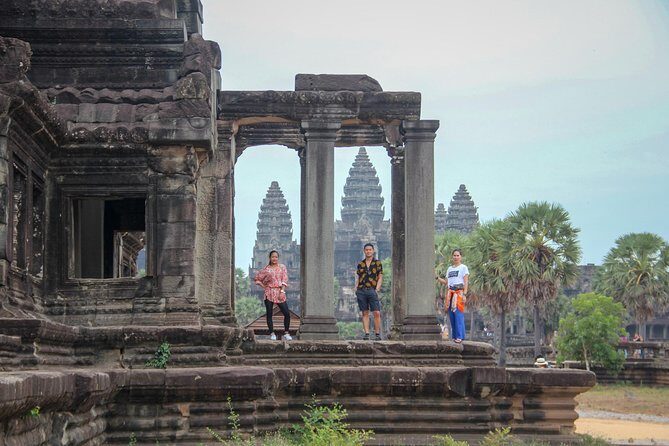
You finish this temple sequence with Preah Khan (about 1 hour). Dedicated to Jayavarman VII’s father, it’s one of those stops where time helps. One hour gives enough breathing room to notice the relationship between spaces instead of only looking at one central spot.
Then there’s another 60-minute lunch break inside the Angkor Park area before you continue. Same deal as Day 1: food and beverage are on you, and prices are described as higher than downtown.
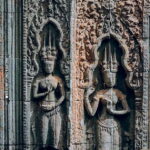
After lunch, you go to Banteay Srei, also called the Lady temple, dedicated to Shiva. You get about 45 minutes. Banteay Srei is a strong way to spend your afternoon because it shifts you to a different temple style and a more delicate, detailed-feeling experience compared to some of the larger stone complexes.
Tonle Sap Floating Village: Private Boat Ride on the Way Back
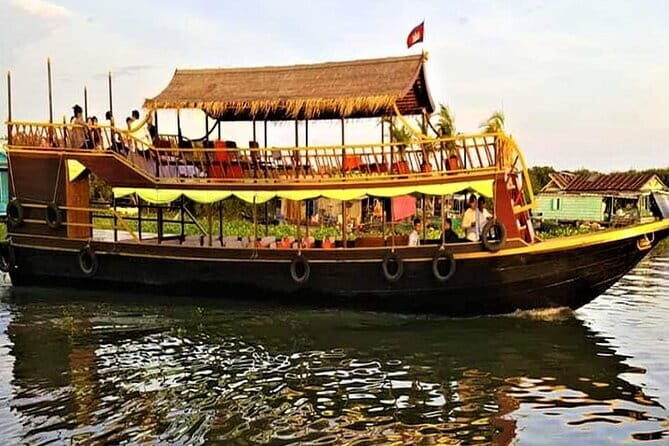
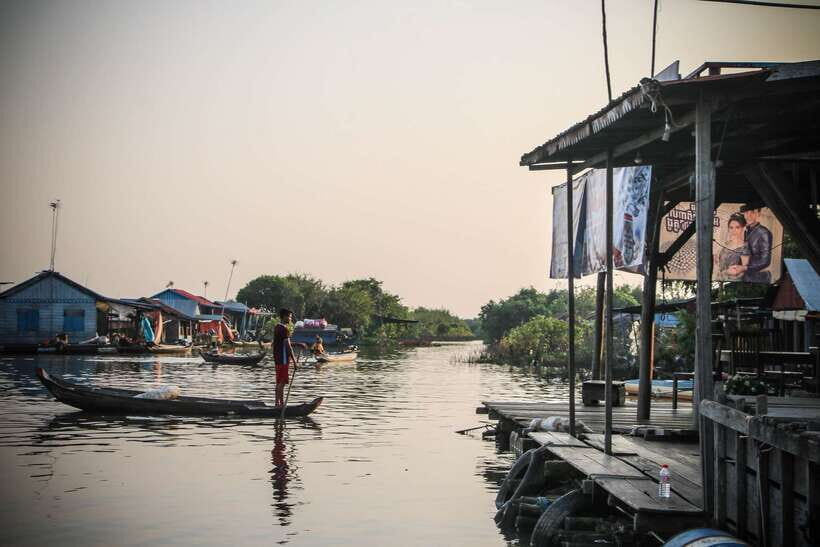
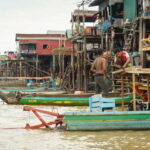
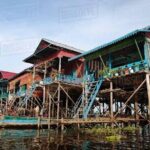
To end the trip, you go to Tonle Sap Lake and visit the floating village. The tour includes time on the lake and a private boat ride, though the pass itself is not included.
Tonlé Sap is described as a seasonally inundated freshwater lake system connected to the Mekong through the Tonlé Sap River. Even if you’re not reading geography textbooks on vacation, that seasonal flooding detail explains why life here is so tied to water and movement.
This is also a nice way to end the Angkor-heavy days with something different: fewer temple lines, more lived-in rhythms. The key practical point: since Tonle Sap access and boat ride require a separate pass, you’ll want to budget for it early so there are no last-minute surprises.
How the Timing Works: Pacing You Can Actually Follow
This itinerary is built around set time windows at each stop. Many temple visits are in the 20–60 minute range, with Angkor Wat getting the longest blocks.
That structure has two benefits:
1) You see more without feeling totally rushed.
2) You always know when you’ll move on, which keeps the day from stretching into a tiring guessing game.
The one consideration is that you are still doing a lot in two days. If you’re the type who wants to sit in one place and go deep on details for hours, you may feel the schedule is tight. If you prefer to understand the big picture first, then appreciate details as you can, you’ll likely enjoy the flow.
Who Should Book This Tour (and Who Might Want Something Slower)
This tour is a strong fit if:
- You want a 2-day structure that hits sunrise, sunset, and a major floating village experience
- You care about explanations (English-speaking, licensed guides)
- You’d rather pay for logistics than spend energy planning routes and timing
It might feel less ideal if:
- You’re traveling with someone who hates early starts. Day 2 pickup is at 4:40 am.
- You want lots of unstructured free time to wander. This plan is intentionally scheduled, including two lunch breaks and set temple stop durations.
Should You Book This 2-Day Explore Angkor Temple & Floating Village Tour?
If your goal is a smooth, high-value Angkor experience that includes sunrise at Angkor Wat and the Tonle Sap floating village by private boat, I’d say yes. The tour combines licensed guidance, comfortable transport, and the right mix of major landmarks with temples that change the feel of your day.
Just be sure you budget for the Angkor pass ($62 for two days) and the Tonle Sap pass/boat ride. Once you factor those in, the $110 tour price looks like what you’d expect to pay for expert logistics and comfort while moving through a big, complex archaeological area.
FAQ
How long is the 2-Day Explore Angkor Temple & Floating Village tour?
It runs for 2 days (approx.).
What does the $110 per person price include?
It includes a full vaccinated English-speaking licensed guide, an air-conditioned vehicle, free cool water and towels during the trip, and hotel pickup and drop-off.
What tickets and fees are not included?
You need to pay separately for the Angkor pass of two days ($62 per person), the Tonle Sap pass with a boat ride, and travel insurance (not included).
Does the tour offer hotel pickup and drop-off?
Yes. Pickup and drop-off at your hotel are included.
What time is the sunrise pickup on day 2?
You’ll be picked up at 4:40 am from your hotel for sunrise at Prasat Angkor Wat.
Is this tour private?
Yes. It’s a private tour/activity, and only your group will participate.
What is the cancellation policy?
Free cancellation is available. You can cancel up to 24 hours in advance for a full refund.
Can most travelers participate?
The experience notes that most travelers can participate.