REVIEW · SIEM REAP
3-Day Exploring Angkor Wat & Siem Reap Highlights Tour.
Book on GetYourGuide →Operated by Angkor Visitor Tour · Bookable on GetYourGuide
Sunrise at Angkor changes your mood fast. This 3-day private highlights tour strings together Angkor Wat at dawn with jungle-heavy ruins like Ta Prohm, then balances it with nature and real life around Siem Reap. I love that the schedule is built around seeing the temples when the light is best and the heat hasn’t arrived yet. I also really like the mix of major sites and off-the-beaten stops, including Beng Mealea and Phnom Kulen. One consideration: this is an early-start trip, especially Day 1 with a 4:45AM pickup, so plan to trade sleep for the wow factor.
The best part for me is how much the day-to-day experience depends on the guide, and this tour’s English-speaking, live tour guide setup actually matters. In previous trips, guides like Sok Guia and Praim/Praiem have been described as prepared, clear with history, and flexible with requests, plus Praiem was noted for punctuality and careful driving. The drawback isn’t about the temples; it’s that entrance fees and meals aren’t included, so you’ll want to budget a little extra on top.
In This Review
- Key Highlights Worth Waking Up For
- How the 3 Days Flow From 4:45AM Angkor to Tonle Sap Life
- Day 1: Angkor Wat Sunrise, Ta Prohm, and Bayon’s Faces at Angkor Thom
- Angkor Wat at sunrise: the light is the real guide
- Ta Prohm: where the jungle feels present, not staged
- Angkor Thom and Bayon Temple: faces that follow you
- Day 2: Banteay Srei’s Pink Stone, Phnom Kulen’s Sacred Mountain, and Beng Mealea’s Jungle Mess
- Banteay Srei: small temple, big detail
- Phnom Kulen National Park: sacred sites plus a nature reset
- Beng Mealea: the lost city feeling you can actually feel
- Day 3: Kompong Phluk on Tonle Sap, Wat Thmei’s Khmer Rouge History, and Old Market Time
- Kompong Phluk: floating village life on stilts
- Flooded forest and fish farms: two Tonle Sap details you won’t forget
- Wat Thmei: a former temple turned killing field
- Old Market time for shopping
- Guides and Comfort: What the Included Vehicle, Water, and Skip Access Really Do
- Price and Value: Is $325 per Group Up to 4 Worth It?
- What to Pack and What to Respect on This Tour
- Who This Tour Fits Best (and Who Might Want a Different Plan)
- Should You Book This Angkor and Siem Reap Highlights Tour?
- FAQ
- What is the duration of the Angkor Wat & Siem Reap Highlights tour?
- What is the pickup time for Day 1?
- What stops are included on Day 2?
- How long is the boat ride in Kompong Phluk?
- Are entrance fees included in the price?
- Does the tour include meals?
- What is included in the tour price?
Key Highlights Worth Waking Up For
- Angkor Wat at sunrise with a dedicated early pickup so you can see the morning light before crowds swell
- Skip-the-line access via a separate entrance on Angkor sites
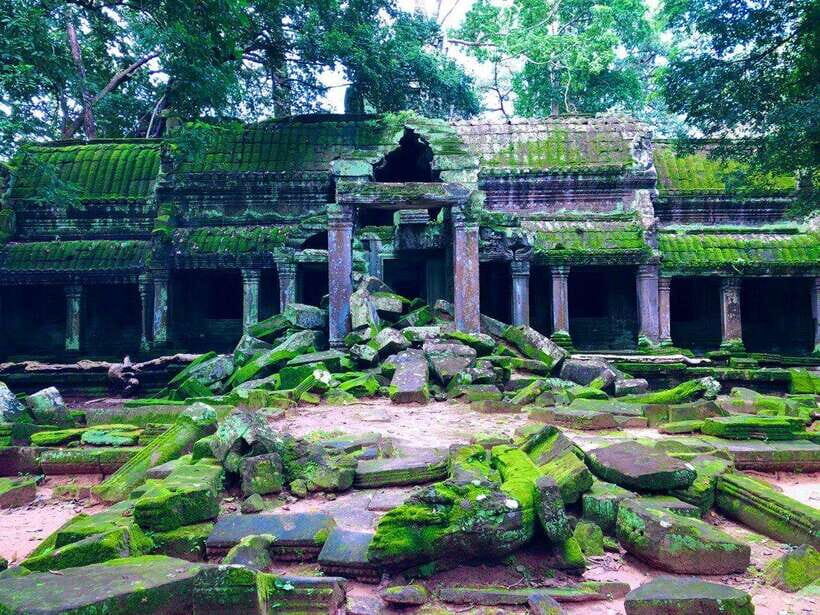
- Ta Prohm’s tree-and-stone chaos where the jungle feels like it’s still winning
- Beng Mealea’s unrestored ruins that feel wilder and less managed than the big-name temples
- Phnom Kulen’s sacred sights like the River of a Thousand Lingas and the reclining Buddha
- Kompong Phluk on Tonle Sap with a boat ride through stilted life and (in rainy season) a submerged-forest canoe moment
How the 3 Days Flow From 4:45AM Angkor to Tonle Sap Life
This tour runs on a tight rhythm: temple mornings, nature middle days, and lake life plus a serious history stop on Day 3. Since it’s a private group (up to 4), you’re not stuck watching the plan march on like a parade. The vehicle is air-conditioned, and you get hotel pickup and drop-off, plus cold drinking water and a wet/cold towel to help you reset between stops.
Pickup times shape the whole trip. Day 1 starts very early at 4:45AM. Day 2 lifts off at 8:00AM. Day 3 starts at 8:30AM. That means you’ll feel the day’s pacing immediately—fast mornings, breakneck ancient sightseeing, and a slower evening when you drop back at the hotel.
You’ll also want to think about comfort. The itinerary includes long walking stretches and uneven surfaces, especially at Beng Mealea and some Angkor ruins. Comfortable shoes aren’t optional; they’re your day’s best accessory.
A few more Siem Reap tours and experiences worth a look
Day 1: Angkor Wat Sunrise, Ta Prohm, and Bayon’s Faces at Angkor Thom
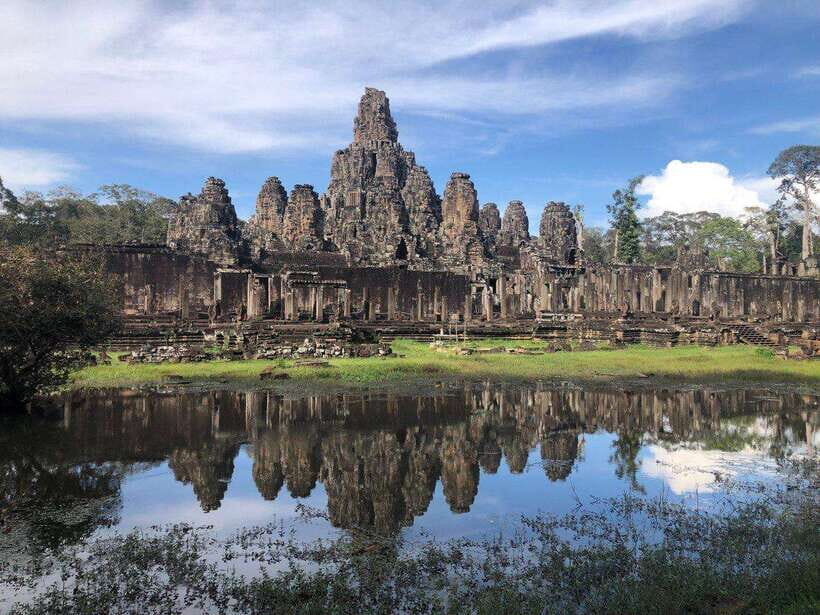
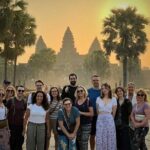
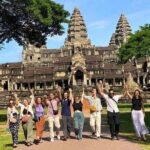
Day 1 is the emotional backbone of the trip: you start with sunrise at Angkor Wat, then move through Ta Prohm and finish at Angkor Thom’s main attractions—Bayon Temple and the Terrace of the Elephants.
Angkor Wat at sunrise: the light is the real guide
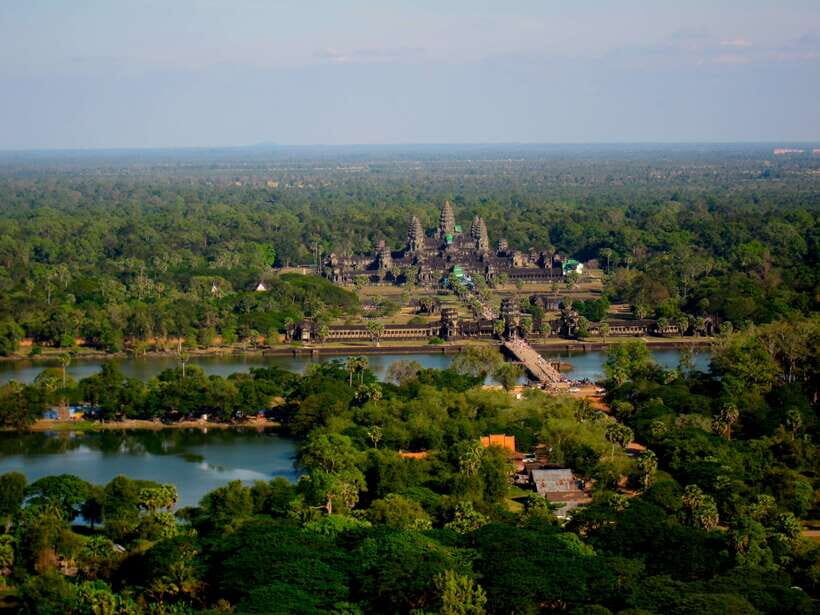
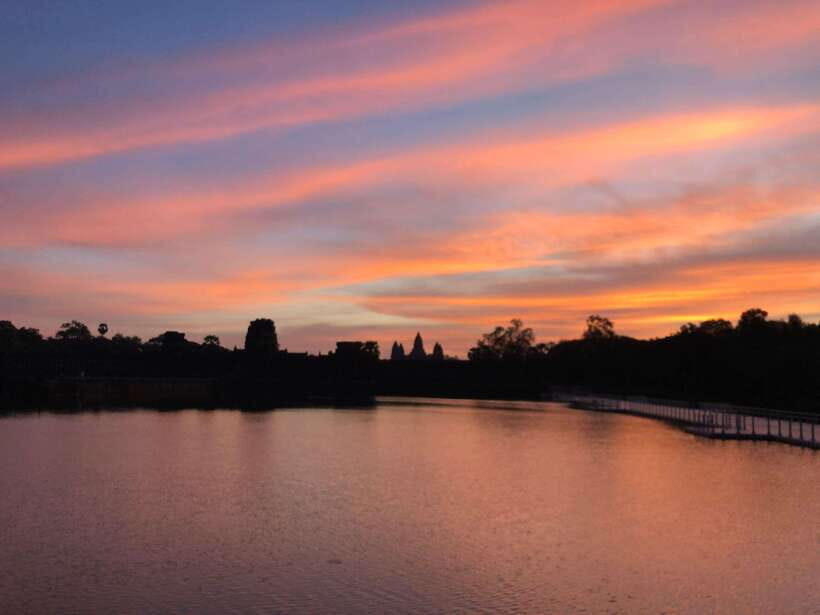
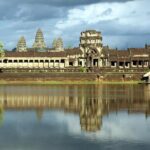
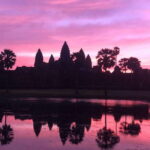
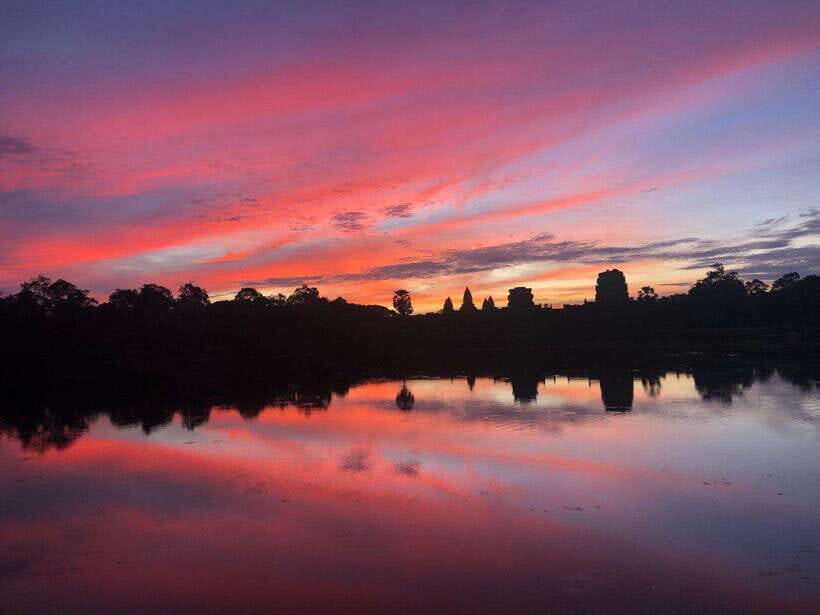
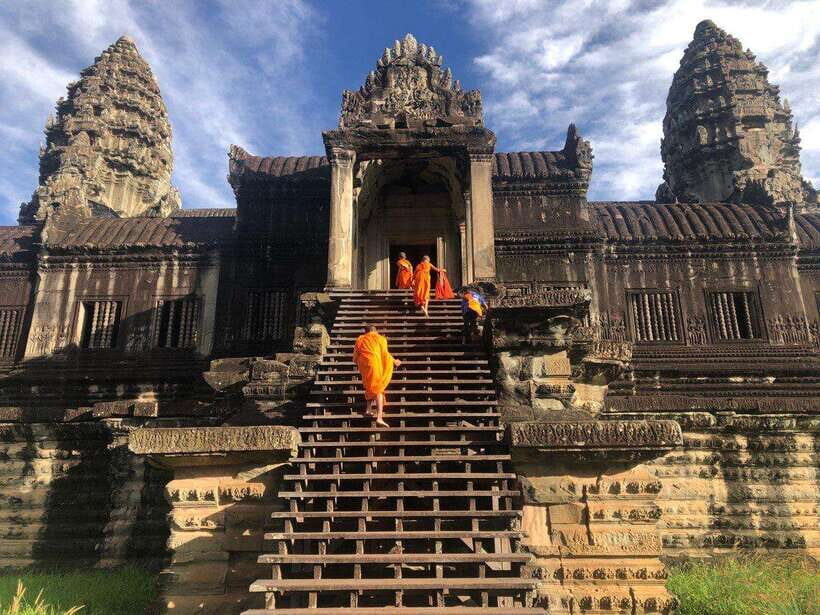
With pickup at 4:45AM, you’ll arrive early enough to catch the temple as it wakes up. Angkor Wat is famous for a reason, but the sunrise timing changes everything. The carvings and long lines of the causeways look crisp and dramatic, and the whole area feels calmer than it does later in the day.
Practical tip: bring sunglasses and plan for changing conditions. Mornings can be cool, then quickly heat up once the sun climbs.
Ta Prohm: where the jungle feels present, not staged
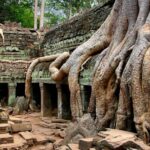
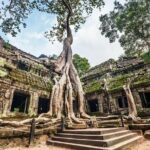
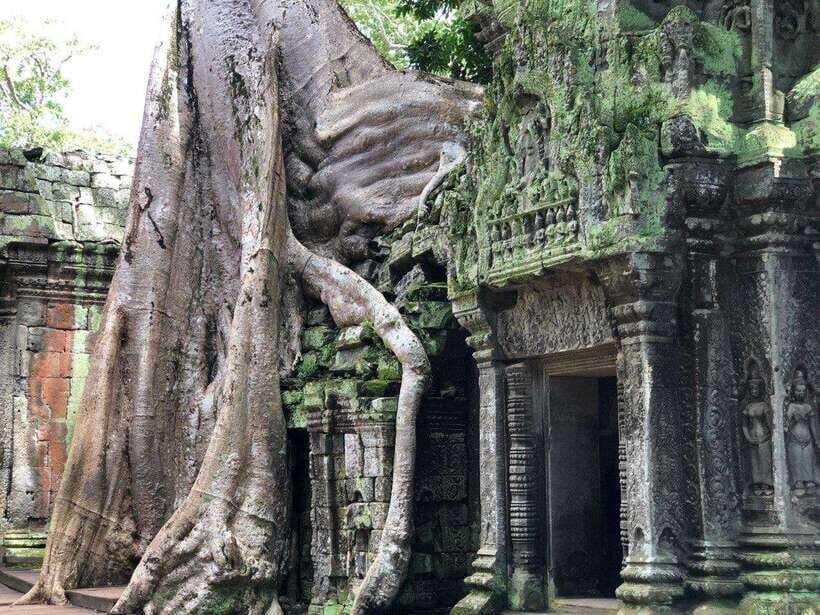
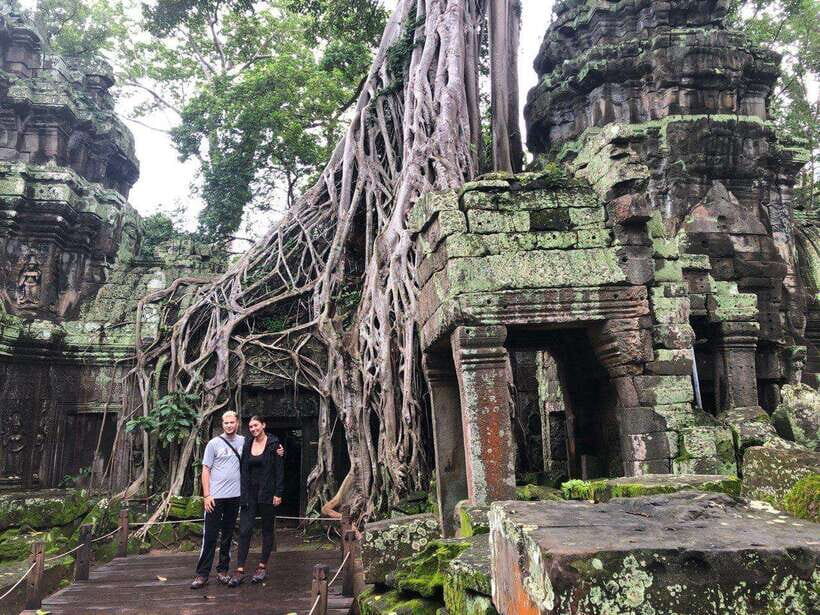
Next comes Ta Prohm, the temple known for trees growing into ruins. This stop works because it doesn’t feel like a museum set. The atmosphere is messy in a good way—stone, roots, and shadowy corners that make you slow down.
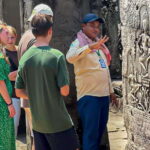
Also, your guide’s explanations matter here. A good guide helps you read what you’re seeing—how the temple was carved, how the structure is laid out, and why this place has become such a powerful symbol of Angkor’s ongoing relationship with nature.
Angkor Thom and Bayon Temple: faces that follow you
In the afternoon, you shift gears to Angkor Thom, including Bayon Temple with its iconic face towers. The moment you realize those faces are positioned to greet multiple approaches, the temple stops being just a photo stop and becomes a design lesson.
You also visit the Terrace of the Elephants, which helps anchor the scale of Angkor Thom as a royal center. Even if you’re not a history nerd (I’m not always), standing in the right spots helps you understand how seriously Khmer rulers planned space.
One small consideration: Day 1 can feel like “temple sprint” despite the best morning start. If you’re sensitive to early hours or you want deeper time for photos, ask your guide to adjust your pace without cutting key sights.
Day 2: Banteay Srei’s Pink Stone, Phnom Kulen’s Sacred Mountain, and Beng Mealea’s Jungle Mess

Day 2 is where the tour pulls you away from the most crowded temple circuit. Pickup is at 8:00AM, and the day is built around three different kinds of wonder: fine carving, sacred nature, and a ruin that feels unfinished.
Banteay Srei: small temple, big detail
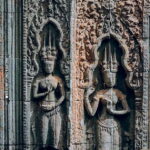
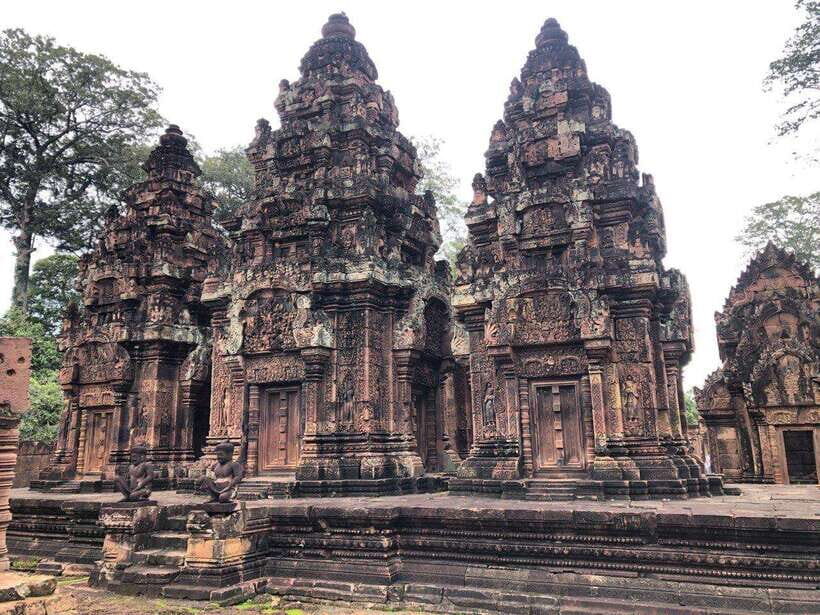
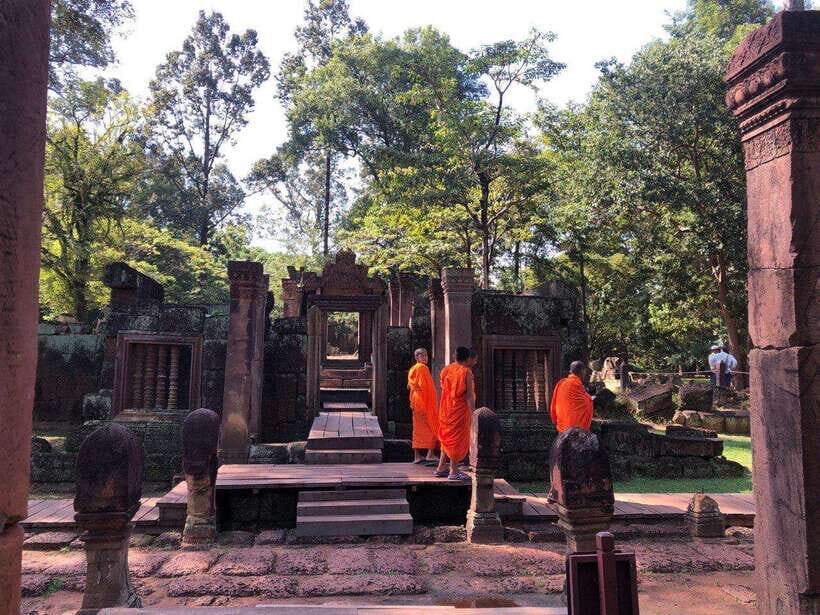
Banteay Srei is often described as the jewel of Khmer art, and the key detail is that it’s all about precision. The pink sandstone carvings look delicate up close, and the patterns feel almost carved for your attention, not for distance.
What I like about this stop is contrast. After Angkor Wat’s massive scale and Ta Prohm’s dramatic jungle scene, Banteay Srei feels like a careful hand. You can actually slow down and look.
Phnom Kulen National Park: sacred sites plus a nature reset
Then you head to Phnom Kulen National Park, a sacred mountain that helps you breathe. This is where the tour becomes less about stone monuments and more about the landscape and spiritual geography.
You get to see the River of a Thousand Lingas, the reclining Buddha, and you can refresh at the two-level Phnom Kulen waterfall. If you bring swimwear, this is the day to use it—at least for the chance to cool off—though you’ll still want to follow local guidance about safe areas.
Because this is nature time, your day can be impacted by conditions. Wear breathable clothing, keep insect repellent handy, and expect that the path experience may not feel as smooth as temple walkways.
Beng Mealea: the lost city feeling you can actually feel
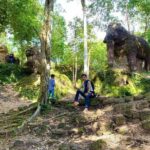
Finally, you visit Beng Mealea, described as an unrestored temple in the jungle. This is the stop that tends to stick with people. It’s less managed than the main Angkor sites, so it has that slightly chaotic, explorer feel.
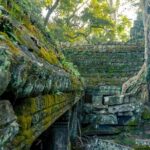
If you like ruins that haven’t been polished into uniform perfection, Beng Mealea is a treat. You’ll be walking through uneven stones and dealing with the unpredictability of a site that hasn’t been “tidied up” for mass tourism.
Drawback to know: this kind of terrain requires attention. Take your time, and don’t rush for photos. It’s better to see slowly than to slip quickly.
Day 3: Kompong Phluk on Tonle Sap, Wat Thmei’s Khmer Rouge History, and Old Market Time
Day 3 combines light-on-the-surface experiences with a heavy historical stop. It starts at 8:30AM and focuses on Kompong Phluk and Tonle Sap great lake, then ends with Wat Thmei, plus an old market city tour for shopping.
Kompong Phluk: floating village life on stilts
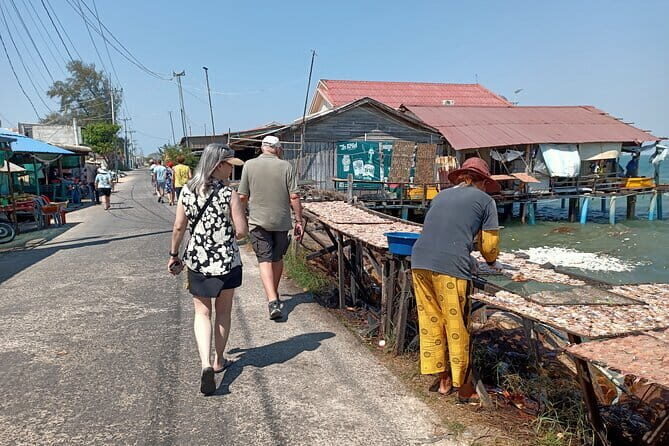
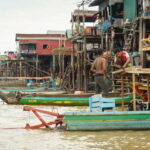
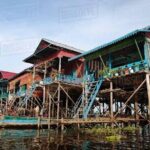
Kompong Phluk is about 27 km southeast of Siem Reap and sits on Tonle Sap’s changing water levels. The village’s homes are built on stilts, which means daily life is shaped by tides of the lake rather than a fixed ground.
The tour includes a boat ride of around 1 hour through the village’s waterways. You’ll pass stilted houses, schools, and markets. That’s the reason this stop feels authentic: you’re not just watching from a dock. You move through the system.
You also get a chance to visit local homes, which is where you’ll see the practical challenges of living on water. Even without a deep background, these moments help you understand why resilience is not a slogan here—it’s a daily routine.
Flooded forest and fish farms: two Tonle Sap details you won’t forget
The tour also points to a unique rainy-season possibility: during rainy months, you may be able to take a canoe through the submerged forest. That means the route changes with the seasons, and the experience becomes more about water-level reality than standard sightseeing.
You’ll also see fish farms, where locals raise fish in floating enclosures. This helps connect what you’re seeing in the village to how livelihoods actually work.
One caution: if you’re prone to motion sickness, plan for some time on the water. And if you’re traveling in rainy season, be ready for cooler, wetter conditions than the city side of Siem Reap.
Wat Thmei: a former temple turned killing field
After the lake, the day takes a hard turn to Wat Thmei, described as a former Buddhist temple turned killing field during the Khmer Rouge regime. This isn’t a casual stop, and the intention is respectful remembrance.
If you prefer lighter days, you still should treat this part with care and time. Even if you don’t know much Cambodian history going in, you’ll walk away with a clearer sense of what shaped modern Cambodia.
Old Market time for shopping
At the end, you do a city tour of the old market and have shopping time. It’s a practical way to pick up souvenirs and snacks without squeezing it into a crowded day earlier.
Guides and Comfort: What the Included Vehicle, Water, and Skip Access Really Do
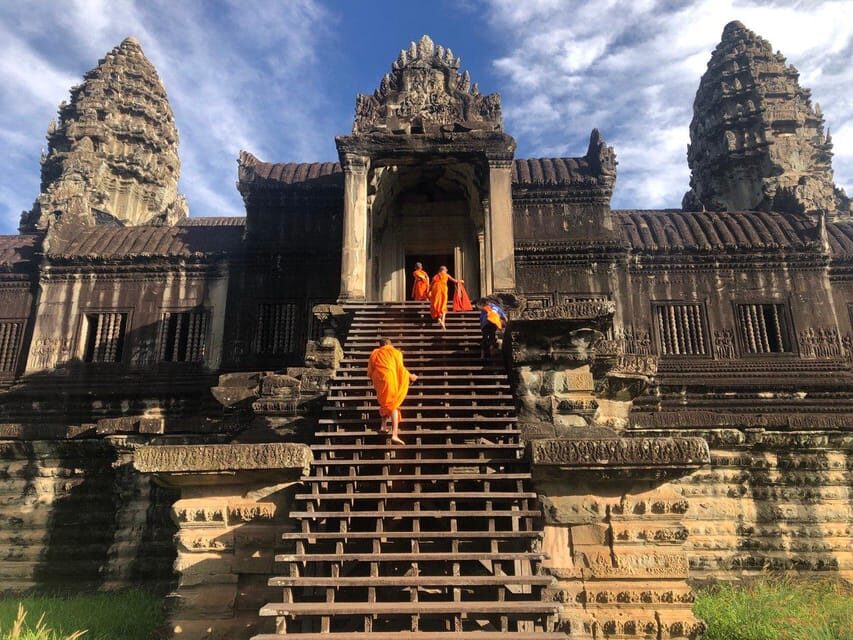
A lot of tours can say they include an English guide. What matters is whether the guide actually helps you see more than the average postcard.
The positive feedback around guides like Sok Guia and Praim/Praiem highlights a few useful things:
- They tend to be prepared and able to explain the history clearly.
- They’re described as kind and friendly, not robotic.
- One guide was specifically noted for punctuality and careful driving, which matters a lot when your day starts at 4:45AM.
So what does that mean for you? It means you get more out of each stop without having to constantly ask basic questions. And when the plan is tight, a good guide helps the itinerary feel efficient rather than rushed.
On the comfort side, the inclusions are straightforward but welcome:
- Air-conditioned transport for the long drives between sites
- Cold drinking water and wet/cold towel to cool off
- Hotel pickup and drop-off so you don’t waste time finding meeting points
- Skip-the-line access via a separate entrance, which can save your energy for the walking parts
Price and Value: Is $325 per Group Up to 4 Worth It?
The listed price is $325 per group (up to 4 people) for 3 days. That’s where value comes down to math and priorities.
If you’re traveling as a group, your per-person cost can drop quickly compared with per-person tour formats—especially because this tour includes:
- English-speaking live guide
- Private group
- Transportation by air-conditioned vehicle
- Hotel pickup and drop-off
- Cold water and wet/cold towel
- Skip-the-line through a separate entrance
The trade-offs are also clear. Entrance fees and meals are not included, so you’ll need to budget separately. Also, because the itinerary includes both early mornings and longer days, you’re paying for convenience and planning, not just for a vehicle.
My practical take: this is good value if you want a structured route, you care about sunrise timing, and you’d rather pay for guided flow than manage tickets and logistics yourself. If you’re comfortable building your own daily plan and you don’t care about sunrise, you may find cheaper options. But for most people, the early start + guide context is where the money makes sense.
What to Pack and What to Respect on This Tour
Bring what the day actually needs. This route mixes temple stone steps, jungle paths, and water time.
For your bag:
- Comfortable shoes (non-slip is your friend)
- Sunglasses and a hat
- Sunscreen and insect repellent
- Comfortable clothes
- Swimwear (the two-level Phnom Kulen waterfall stop is a strong hint)
- If you’re sensitive to cold mornings, bring a light layer for Day 1
What’s not allowed:
- Drones
- Alcohol and drugs
- Electric wheelchairs
And if you use a wheelchair: the tour is not suitable for wheelchair users, so it’s best to look for a different format.
Who This Tour Fits Best (and Who Might Want a Different Plan)
This tour fits best if you like a balance of:
- Big-name Angkor sites (Angkor Wat, Ta Prohm, Angkor Thom/Bayon)
- More “raw” ruins (Beng Mealea)
- Nature with spiritual meaning (Phnom Kulen, waterfall time)
- Community-focused experiences (Kompong Phluk boat ride and home visits)
- A serious cultural history stop (Wat Thmei)
It might not fit if:
- You hate early mornings. Day 1 is at 4:45AM pickup.
- You want a slow, relaxed pace with lots of free time at each site.
- You need wheelchair accessibility.
If you’re the type who likes to learn while walking—then this works well. If you prefer to “just wander,” you may find the schedule brisk, even with a private group.
Should You Book This Angkor and Siem Reap Highlights Tour?
I’d book it if you want one trip that does more than the usual temple checklist. The standout value for me is the combination of sunrise timing, skip-the-line convenience, and the smart variety: carved pink sandstone, sacred mountain nature, a jungle ruin that feels like an adventure, and a boat through Tonle Sap village life—followed by Wat Thmei’s serious historical context.
If you do book, plan your energy for Day 1 and take care on Beng Mealea’s rougher terrain. Treat sunrise like the main event, not an add-on.
FAQ
What is the duration of the Angkor Wat & Siem Reap Highlights tour?
The tour lasts 3 days.
What is the pickup time for Day 1?
Pickup from your hotel is at 4:45AM for the sunrise at Angkor Wat.
What stops are included on Day 2?
Day 2 includes Banteay Srei, Phnom Kulen National Park (including the River of a Thousand Lingas, reclining Buddha, and the two-level waterfall), and Beng Mealea.
How long is the boat ride in Kompong Phluk?
The boat ride is around 1 hour, exploring the stilted village waterways.
Are entrance fees included in the price?
No. All visiting entrance fees are not included.
Does the tour include meals?
No. Meals are not included.
What is included in the tour price?
Included items are hotel pickup and drop-off, an English-speaking live tour guide, transportation by air-conditioned vehicle, cold drinking water, and wet and cold towel.