REVIEW · SIEM REAP
3-Day Private tour: Small tour, Outside tour, Grand tour with Sunrise
Book on Viator →Operated by Sightseeing Cambodia · Bookable on Viator
Angkor hits fast, then it doesn’t let go. This 3-day private Angkor plan strings together Angkor Thom, Angkor Wat, hilltop sunset/sunrise vibes at Phnom Bakheng, plus jungle and village experiences that feel more human than just stone. I like how the guide-led pacing keeps each stop meaningful, and you get the comfort stuff sorted with hotel pickup, AC, and cold water/towels. One thing to consider: the temple passes are not included, and you’re on your feet in Cambodia heat most of the day.
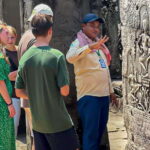
What I really liked is the guide energy. In past trips, you might be looked after by English-speaking guides such as Sous Raman, Raksa, or an Asean Angkor Guide, and the best part is how they manage the story and the timing—plus help you get natural photo angles at temples instead of just walking past. Another plus is the mix: the big names (Bayon, Ta Prohm, Angkor Wat) land, but you also get the more atmospheric stops like Beng Mealea and the stilt-village look at Kampong Phluk.
Possible drawback: the schedule is temple-heavy and some visits are short, so this is less about slow strolling and more about hitting highlights efficiently. Also, you’ll want to budget for the Angkor 3-day pass (and possibly the Tonle Sap Lake pass) and plan for warm, sunny days.
In This Review
- Key highlights worth getting excited about
- Why this 3-day Angkor route feels better than a checklist
- Day 1: Angkor Thom South Gate, Bayon Faces, and Phnom Bakheng light
- South Gate of Angkor Thom: the dramatic entry
- Bayon Temple: where you look back
- Baphuon, Phimeanakas, and the Royal Square terraces
- Angkor Archaeological Park: break, recharge, keep going
- Angkor Wat: the big one, done with context
- Phnom Bakheng: hilltop sunset/sunrise moment
- Day 2: Banteay Srei before crowds, then jungle temple time at Beng Mealea
- Banteay Srei: red sandstone and detailed work
- Rolous Group: Bakong and Prasat Preah Kor
- Kampong Phluk: daily life on stilts near Tonle Sap
- Beng Mealea: the jungle temple feeling that sticks
- Tonle Sap pass note
- Day 3: Ta Prohm, Preah Khan, and the long Angkor Thom-era circuit
- Morning: Angkor Wat again
- Angkor Archaeological Park break
- Ta Prohm: the film-famous atmosphere
- Preah Khan and the Jayavarman VII complex scale
- Neak Pean, Ta Som, and the smaller island temples
- Srah Srang and Pre Rup: finish with mood
- Price and value: what $175 really buys you
- Guides, timing, and comfort: the stuff that makes or breaks a temple day
- Should you book this 3-day private Angkor tour?
- FAQ
- What’s included in the private tour?
- Is the Angkor 3-day pass included?
- Is the Tonle Sap Lake pass included?
- What time does the tour start?
- Is this a private tour or shared with strangers?
- How long is the tour?
- Are temple admission tickets included?
- What should I budget for besides the tour price?
- What’s the cancellation policy?
Key highlights worth getting excited about
- Early starts that cut crowd pressure like the plan for Banteay Srei before the busiest wave
- A real guide-led circuit through Angkor Thom landmarks such as Bayon, Baphuon, and the Elephant Terrace
- Phnom Bakheng hilltop timing for the memorable sky over the temple zone
- Beng Mealea’s jungle feel—less polished, more atmospheric, and very different from the main sites
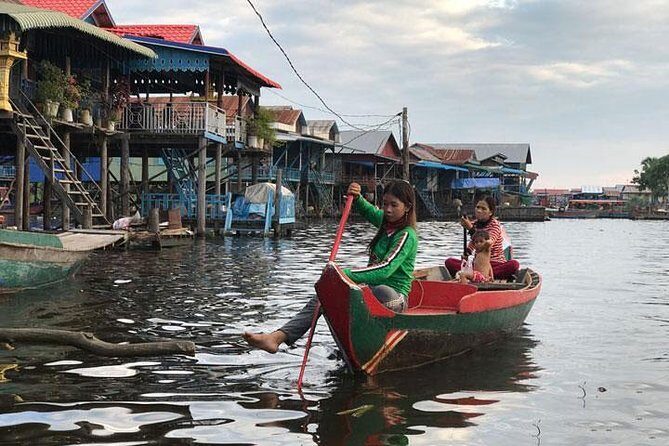
- Kampong Phluk on the Tonle Sap edge for a glimpse of daily life near the water
- AC comfort plus cold towels and water to keep you moving without burning out
Why this 3-day Angkor route feels better than a checklist
Angkor can feel like a stampede of photos unless someone helps you understand what you’re seeing while you’re seeing it. This tour is set up for that. You’ll be picked up from your hotel, travel in a private air-conditioned vehicle, and then move temple-to-temple with an English-speaking guide who focuses on explaining the meaning behind the stonework.
What you’re really paying for here isn’t only access to monuments. It’s the flow: the guide helps you connect the dots between the Khmer rulers, the Hindu/Buddhist shifts, and the layout of each temple area. That matters because Angkor’s “what am I looking at?” moments add up fast—especially when you’re tired from walking.
You can also read our reviews of more private tours in Siem Reap
Day 1: Angkor Thom South Gate, Bayon Faces, and Phnom Bakheng light
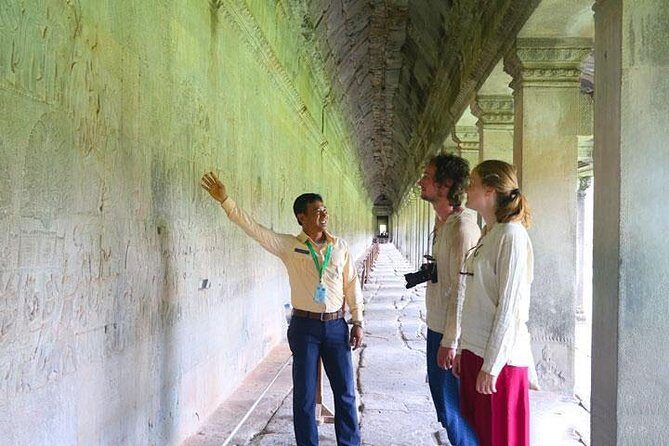
Day 1 starts early, and that timing is your friend. You meet at 8:00 am at your hotel, then head straight to get your Angkor 3-day pass before you begin the South Gate portion of Angkor Thom. Buying the pass first saves you from scrambling later when you’re already in temple mode.
South Gate of Angkor Thom: the dramatic entry
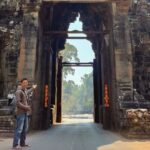
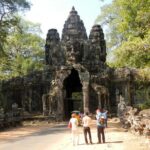
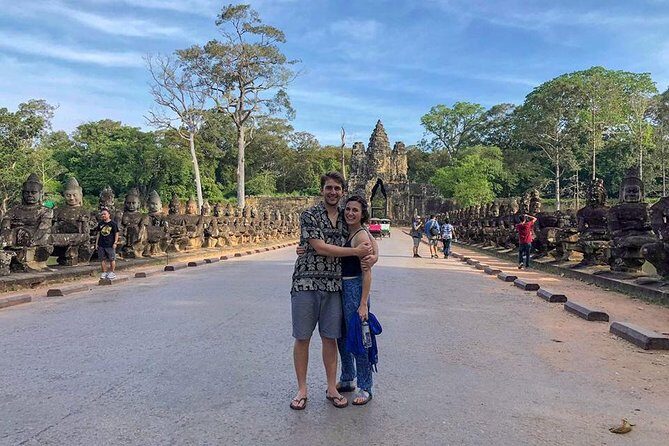
The South Gate is the formal “walk-in” moment of the ancient city. It’s a good first stop because it helps you understand that Angkor Thom wasn’t just one temple—it was a whole royal capital concept, built with gates and walls that controlled movement and meaning. The visit here is brief, but it sets the stage.
Bayon Temple: where you look back
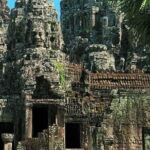
Next comes Bayon, the temple known for its stone faces. The tour route is quick but not careless: you get about 45 minutes here, long enough to look, re-look, and actually notice the details that make Bayon feel alive. Bayon was built as the state temple of Jayavarman VII during the shift toward Mahayana Buddhism, so your guide’s explanations help make sense of the iconography as you stand among it.
Baphuon, Phimeanakas, and the Royal Square terraces
After Bayon, you continue through other Angkor Thom landmarks that sit near each other, which is exactly how you want it on Day 1. Baphuon is next, then Phimeanakas (inside the royal palace compound area), and then the terrace stops: the Terrace of the Elephants and the Terrace of the Leper King.
These terraces are short stops, but they work because they’re visual and immediate. The Terrace of the Elephants links to Jayavarman VII’s idea of viewing his victorious returning army. The Leper King Terrace gets its modern name from a sculpture discovered there, and it’s tied to the Hindu god Yama in the religious story your guide shares. Even if you only get 5–10 minutes at each, the “wow” comes from seeing how Khmer art records political power and ritual life.
A few more Siem Reap tours and experiences worth a look
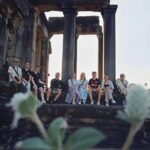
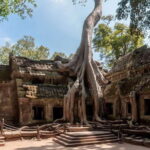
Angkor Archaeological Park: break, recharge, keep going
You’ll have a lunch break of about 60 minutes around Angkor Archaeological Park. This is a practical pause in a temple marathon. Use it to cool down, drink water, and slow your breathing before you tackle the big hitters again.
Angkor Wat: the big one, done with context
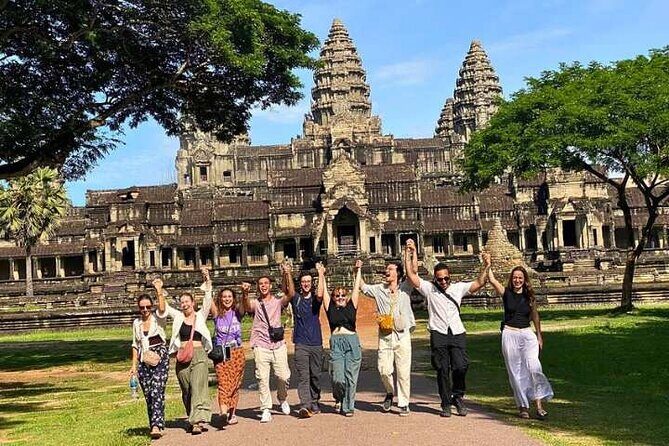
Then it’s Angkor Wat, the largest religious monument on the planet and the one everyone comes for. You’ll spend around 1.5 hours, which is enough time to appreciate the scale without feeling like you’re rushing. The guide helps here because Angkor Wat is both a temple complex and a story of transformation—originally Hindu, later Buddhist—so you can see how the same place can shift meanings across centuries.
Phnom Bakheng: hilltop sunset/sunrise moment
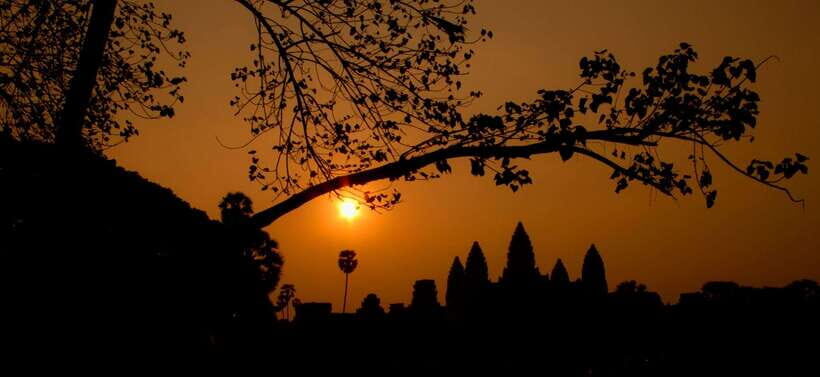
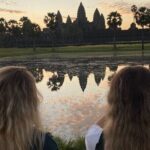
The day finishes with Phnom Bakheng, a temple mountain built at the end of the 9th century. This is where the tour’s “Grand tour with Sunrise” branding and the stunning sunset view concept both make sense: you’re climbing toward a viewpoint above the temple zone.
Practical note: hilltop lighting is magic, but it can be hot and crowded. Wear grippy shoes, bring sun protection, and keep your water handy. The cold water/towel rhythm built into the day helps after the climb.
Day 2: Banteay Srei before crowds, then jungle temple time at Beng Mealea
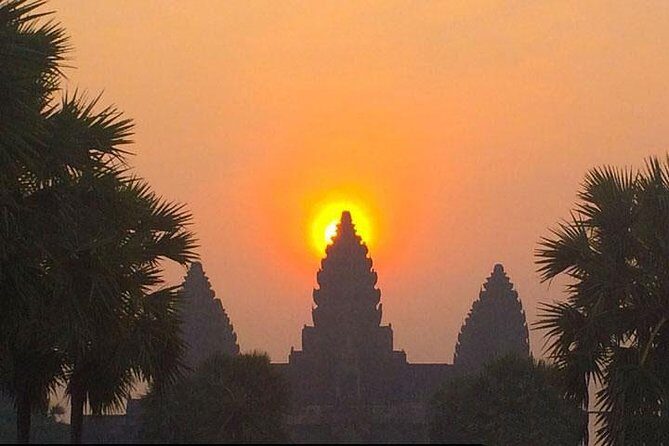
Day 2 is all about contrast. You start again at 8:00 am, and the plan intentionally aims at Banteay Srei earlier to reduce the crowd squeeze. That matters because Banteay Srei can be one of the most memorable temples—and it’s easier to enjoy when you’re not trying to squeeze your camera past shoulder-to-shoulder groups.
Banteay Srei: red sandstone and detailed work
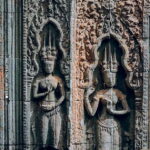
Banteay Srei is a red sandstone temple often called the Lady’s Temple. It’s smaller than the mega-sites, but the carving detail is the point. A shorter crowd line means you can step back and look at the patterns instead of just rushing through.
Then you head toward lunch and the Rolous Group area. This sequencing keeps your day from feeling like nonstop temples without breaks.
Rolous Group: Bakong and Prasat Preah Kor
After lunch, you explore Rolous Group, including Bakong and Prasat Preah Kor. Bakong is described as the first largest sandstone temple of Khmer architecture—so it’s a “roots of Angkor” stop. In your plan, Bakong is listed as free, which is a nice bonus if you’re budgeting pass costs.
Prasat Preah Kor is the “secret bull temple” stop. It’s a good mid-day choice because it feels more local and puzzle-like than the huge iconic landmarks. Even when time is short, these stops give you texture beyond the headline temples.
Kampong Phluk: daily life on stilts near Tonle Sap
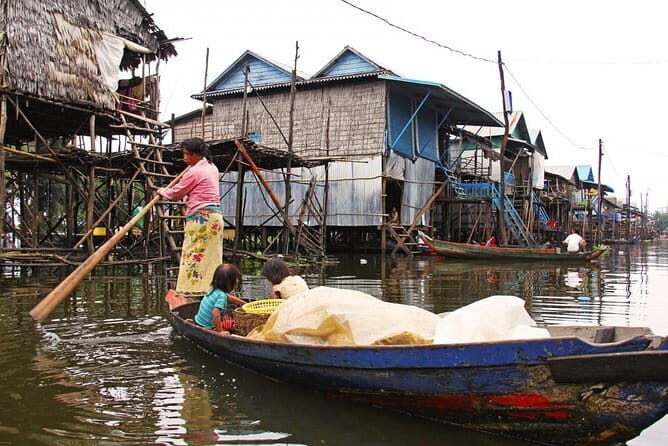
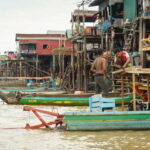
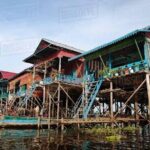
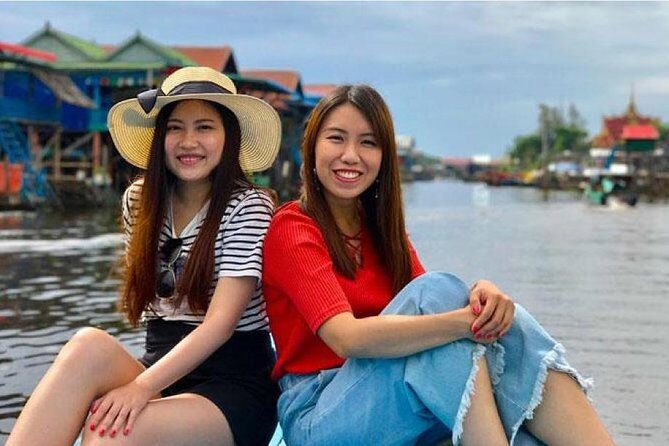
Next comes Kampong Phluk Village, a stilt settlement by the Tonle Sap Lake. You get about 1 hour, which is enough to understand how people live based on the lake rhythm—especially fishing during the wet season.
There’s also a timing warning included with the tour plan: visiting Tonle Sap Lake during the dry season from March to July may not be ideal. So if your travel dates fall in that window, keep expectations flexible and go in curious rather than expecting a perfectly “picture postcard” waterfront scene.
Beng Mealea: the jungle temple feeling that sticks
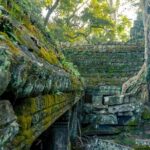
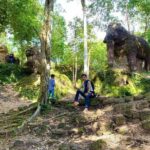
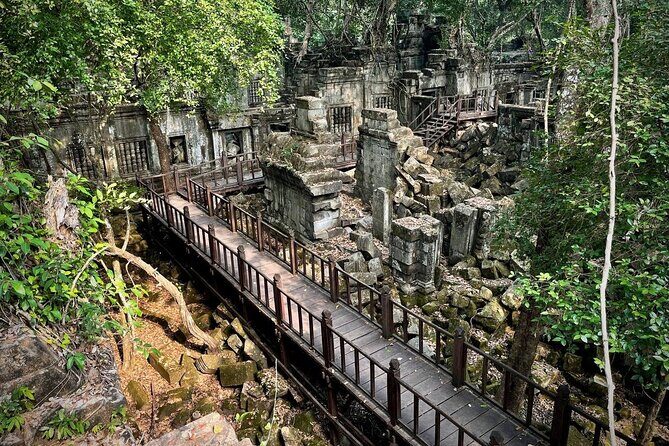
Beng Mealea is the standout “different from Angkor Wat” stop. It’s about 40 km east on the ancient royal highway to Preah Khan Kompong Svay, and the temple is known as a jungle temple feel. You get around 1 hour here, long enough to wander the paths and understand why this place feels more ruined and atmospheric than the restored showpieces.
This is also where you’ll notice what makes an experienced guide valuable. When temples are less “clean and curated,” the guide’s explanation helps you read the layout and religious purpose instead of just seeing random stones.
Tonle Sap pass note
The tour package lists the Tonle Sap Lake pass as not included. That usually means there may be an additional ticket step depending on what you do during the Kampong Phluk segment. Plan some extra budget so you’re not surprised later.
Day 3: Ta Prohm, Preah Khan, and the long Angkor Thom-era circuit
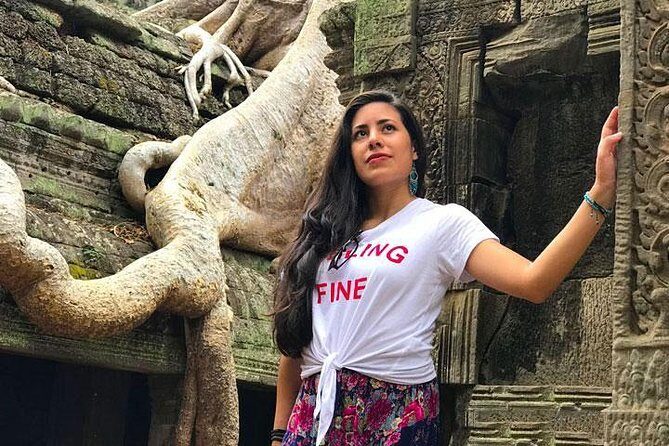
Day 3 keeps stacking “important but different” temples. You’ll start with Angkor Wat again for continuity, then move into the wider Angkor temple network around Angkor Thom and the barays.
Morning: Angkor Wat again
It sounds repetitive at first, but Angkor Wat is big enough that people often need a second pass with new context. Here, the second visit works because it follows the story you built during the first two days: you now understand more about the shift from Hindu to Buddhist use, and you’ll notice different details as you walk again.
Angkor Archaeological Park break
There’s a break and breakfast portion (about 40 minutes) before continuing. This is a sanity saver on Day 3. After several days, this built-in pause keeps you from turning cranky, sweaty, and rushed.
Ta Prohm: the film-famous atmosphere
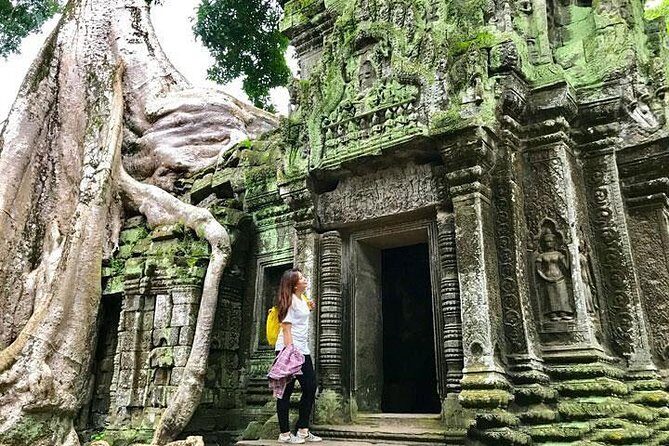
Then it’s Ta Prohm, the temple known for trees growing around the ruins. You’ll spend about 1 hour. Ta Prohm is famous, but it’s still worth going because the feel changes depending on your viewpoint and the time you arrive.
The guide helps here with the Bayon style connection and the fact that Ta Prohm was originally called Rajavihara. When you know that, the carvings and layout feel less like set dressing and more like a functioning place in its time.
Preah Khan and the Jayavarman VII complex scale
Next is Preah Khan, built in the 12th century for Jayavarman VII to honor his father, with a connection to the Jayatataka baray. Your route gives you about 1 hour, and this is one of the best temples on the list for understanding how big these royal religious complexes were. The tour notes it supported an enormous organization, with nearly 100,000 officials and servants, which is mind-boggling when you’re standing in the middle of it.
Neak Pean, Ta Som, and the smaller island temples
Then the tour shifts to a quieter cluster: Neak Pean, Ta Som, and East Mebon. Neak Pean is an artificial island with a Buddhist temple, associated with the Preah Khan baray network. Ta Som is smaller, and it’s tied to the dedication to Dharanindravarman II. East Mebon stands on another artificial island site connected to the (now dry) East Baray.
These stops are shorter—often 30 minutes—but they’re perfect for day-3 fatigue. They let your eyes rest while still keeping the story going. Instead of only chasing crowd magnets, you get “architecture as geography.”
Srah Srang and Pre Rup: finish with mood
Finally, you visit Srah Srang, then Pre Rup. Srah Srang is a temple-like water area, and Pre Rup is a temple mountain built as a state temple dedicated to Shiva. Pre Rup’s name meaning is included in the tour plan as turn the body, which gives you a funny little anchor while you’re looking at the tiers and causeway angles.
If you’re still energized by then, this is a great closer. It’s not the loudest temple on the schedule, but the structure and viewpoints help you connect the whole Angkor system into one mental map.
Price and value: what $175 really buys you
At $175 per person for about 3 days, you’re paying for a private setup, not just entry into famous sites. The value shows up in the included logistics: hotel pickup/drop-off, a private air-conditioned vehicle, and the small comfort touches like free cold water & towels during the tour.
Also, you get a fully vaccinated English-speaking tour guide. That isn’t just a “nice to have” detail in a place where heat and distance can mess with your pace. When someone is handling navigation and interpretation, your day runs smoother and you spend less time guessing.
What’s not included matters for budgeting. The Angkor 3-day pass is not included, and the Tonle Sap Lake pass isn’t included either. Plus, beverage and food aren’t included. One temple stop is listed as free—Bakong—but most others are marked as admission not included, which usually means you’ll still rely on your pass.
The practical takeaway: $175 is a solid base for the guided and driven portion. Before you go, decide how you’ll budget for passes plus meals so you don’t end up surprised halfway through the trip.
Guides, timing, and comfort: the stuff that makes or breaks a temple day
This tour is built around timing and translation of chaos into order. You’ll start early at least on Day 1 and Day 2, and you’ll get specific “before crowds” planning on Day 2 with Banteay Srei. That helps you enjoy the details instead of only collecting images.
Comfort-wise, the included private AC vehicle is a major deal in Siem Reap’s heat. And the tour includes cold water and towels, which you’ll appreciate after long stretches of walking and sun. In earlier experiences, guides like Sous Raman and others were also praised for giving clear information and even helping with natural photo moments at temples.
If you care about photos, bring the basics: sunscreen, water, and shoes you can walk in for hours. A guide who understands temple sightlines can make your pictures look better without you needing to be a photography expert.
Should you book this 3-day private Angkor tour?
Book it if you want a private, guide-led Angkor experience that mixes the big monuments with more atmospheric and local-feeling stops. It’s especially good if you like understanding the “why” behind what you’re seeing and you want a plan that reduces wasted time.
Consider a different option if you want a slow, do-whatever schedule with lots of downtime. This itinerary is temple-forward, and you’ll need to handle heat, walking, and a packed sequence. Also, if you don’t want to budget extra for the Angkor pass and possible Tonle Sap pass, you’ll have to factor that in before you book.
If you’re the type who wants Angkor to feel meaningful—not just impressive—this is a strong choice.
FAQ
What’s included in the private tour?
The tour includes a fully vaccinated English-speaking tour guide, a private air-conditioned vehicle, free cold water and towels during the tour, and hotel pickup and drop-off.
Is the Angkor 3-day pass included?
No. The Angkor pass of 3 days is not included, and you’ll buy it before starting the temple visits.
Is the Tonle Sap Lake pass included?
No. The Tonle Sap Lake pass is not included.
What time does the tour start?
On Day 1 and Day 2, the plan starts at 8:00 am with hotel pickup. Day 3 includes a breakfast break, but a specific start time isn’t listed.
Is this a private tour or shared with strangers?
This is a private tour/activity. Only your group participates.
How long is the tour?
It’s a 3-day tour (approx.).
Are temple admission tickets included?
The tour plan lists admission tickets as not included for most stops. One stop, Bakong, is listed as free.
What should I budget for besides the tour price?
You should budget for the Angkor 3-day pass, the Tonle Sap Lake pass (if applicable), and your own beverages and food.
What’s the cancellation policy?
You can cancel for a full refund if you cancel up to 24 hours in advance. The local time cutoff applies. The tour can also be canceled due to poor weather, with an option to choose another date or get a full refund.