REVIEW · SIEM REAP
Private Full-Day Angkor Temples and Tonle Sap
Book on Viator →Operated by Bravo Indochina Tours · Bookable on Viator
Angkor and Tonle Sap in one easy day. This private full-day plan lets you hit Angkor Wat, Angkor Thom, and Bayon in the morning, then shift to the Tonle Sap region with a lunch break and a floating village canal cruise. I like that it’s set up for a smoother flow with pickup and a guide who keeps the story moving from stone temples to everyday life on the water. Private transportation plus an English-speaking guide (with other languages on request) makes the whole day feel organized, not rushed.
My second favorite thing is the way the timing is structured around real viewing moments: you’re given time at major photo stops like the Bayon’s face towers and the long Terrace of the Elephants, then you get a full hour for Tonle Sap Lake and an after-lunch cruise in Chong Kneas. One thing to keep in mind: the Angkor Temple Pass is not included, and some key terraces are handled in shorter blocks, so if you love slow, detailed temple wandering, you may want extra time in Siem Reap beyond this day.
In This Review
- Key points before you go
- How the day flows from 8:00am temples to late-afternoon water life
- Angkor Wat: the best-preserved temple to begin with
- Angkor Thom and Bayon: Southern Gate then the faces of 54 towers
- Baphuon and the terraces: elephants, ceremonies, and the Leper King statue
- Baphuon Temple
- Terrace of the Elephants
- Terrace of the Leper King
- Tonle Sap Lake: a 160km-long ecology lesson in one hour
- Chong Kneas floating village cruise after lunch: daily life by canal
- Price and value: what $79 gives you (and what it doesn’t)
- Who this private tour suits best
- Small considerations that can affect your day
- Should you book this private Angkor Temples and Tonle Sap tour?
- FAQ
- FAQ
- What time does the tour start in Siem Reap?
- Is pickup offered?
- Is this a private tour?
- What’s included in the price?
- Are admission tickets included for Angkor temples?
- Is Tonle Sap admission free on this tour?
- How long is the cruise at Chong Kneas floating village?
- How long is the entire experience?
Key points before you go
- Private pickup and a set route: morning temples, lake time, then Chong Kneas by canal.
- English-speaking guide with strong storytelling: guides such as Theam and Pin are known for explaining what you’re seeing.
- Lunch included at a local restaurant: you’re not guessing where to eat between temple stops.
- Tonle Sap Lake time plus a canal cruise: you’ll go beyond temples and see how communities live on the water.
- Most major stops covered but with short terrace windows: great for seeing highlights, less ideal for ultra-slow exploration.
How the day flows from 8:00am temples to late-afternoon water life
The tour starts at 8:00am, and you’ll be picked up (pickup is offered) before you roll into the Angkor complex area. The pacing is built around a morning full of temple highlights, then a break and a change of scenery for Tonle Sap. You’re looking at about 8 hours total, with the plan bringing you back to your hotel in the late afternoon.
What I like about this structure is that it respects attention span. Angkor sites can feel endless once you’re in the middle of them, so a guided, timed route helps you avoid the common problem of wandering without a clear sense of what matters most. It also means you’re not stuck on temples all day—you get lake contrast before the day ends.
Because it’s private for your group, you’re not sharing your experience with strangers, which usually means fewer “wait for the slowest person” moments. If your group has specific photo goals or you want a bit more time at one stop, a good guide can often adjust within the day’s schedule.
You can also read our reviews of more private tours in Siem Reap
Angkor Wat: the best-preserved temple to begin with
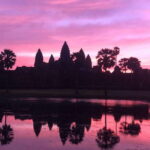
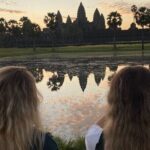
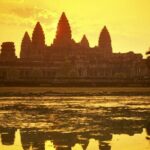
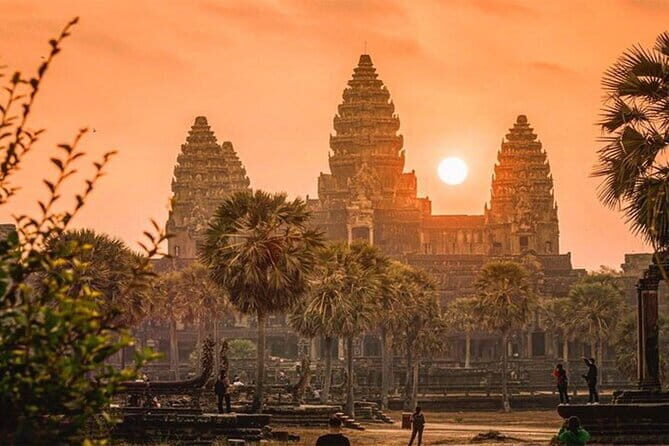
Your morning starts at Angkor Wat, which is widely considered the best-preserved temple at the Angkor complex. It was built by King Suryavarman II in the early 12th century as his state temple and capital-city center. One of the most useful things your guide can point out here is how the same site shifted religions over time: it began as a Hindu temple dedicated to Vishnu, then later became Buddhist.
You’ll have about 1 hour here, and that’s a solid length for first-time visitors. It’s long enough to orient yourself, spot the key architectural features, and take photos without feeling like you’re sprinting. Still, if you want to linger in the details or revisit sections for better light, you’ll likely want extra time later on your own.
Practical tip: plan your camera routine before you step in. Angkor Wat is the kind of place where you’ll see the “big view” and then want close details right after—so having a quick plan helps you avoid fumbling while others move on.
Angkor Thom and Bayon: Southern Gate then the faces of 54 towers
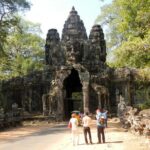
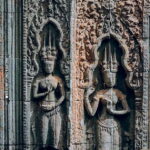
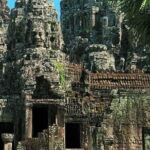
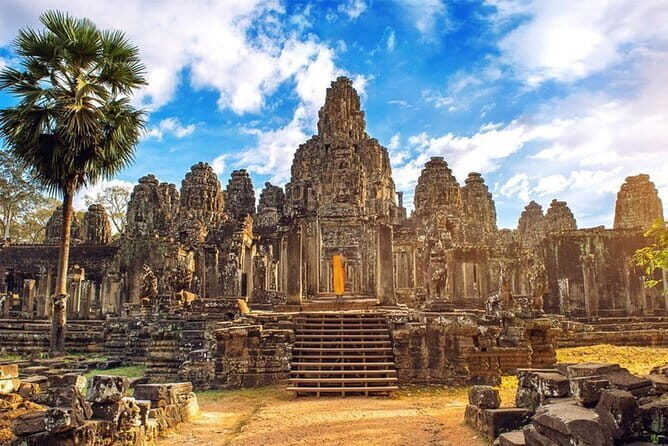
Next up is Angkor Thom, starting through the Southern Gate and moving on to the Bayon. Bayon is the centerpiece of the ancient city, famous for its 54 towers decorated with over 200 enigmatic stone faces.
You’ll have about 1 hour for this part, and it’s a smart fit after Angkor Wat. Angkor Wat gives you grand symmetry and structure; Bayon gives you repetition, expression, and the feeling that the architecture is watching you back. If you like photography, Bayon rewards you for changing angles—move a few steps and the face tower compositions look different.
A possible drawback: Bayon is a busy visual site. With so many faces and carvings, it’s easy to get “stuck looking at everything” and end up not noticing any one scene deeply. This is exactly where a guide helps. Guides like Theam and Pin are noted for connecting what you’re seeing to the larger city layout, so you’re not just collecting random photos.
Baphuon and the terraces: elephants, ceremonies, and the Leper King statue
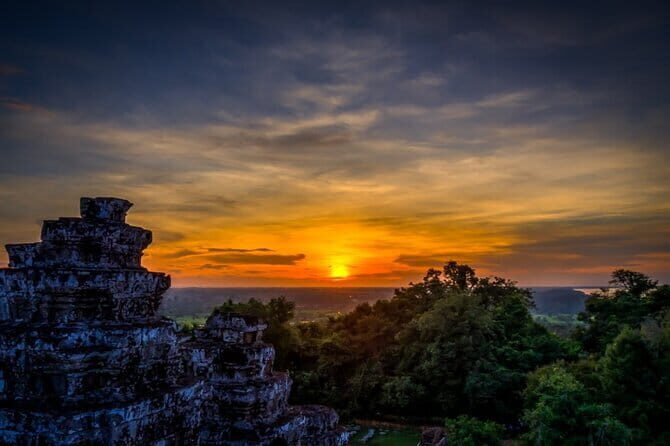
After Bayon, you continue to three connected temple/terrace stops that help you understand how Angkor looked in daily ceremonial terms—not only royal architecture.
Baphuon Temple
You’ll spend about 1 hour at Baphuon Temple. It’s a bridge stop in the best sense: enough time to appreciate the temple form, but not so long that you lose momentum before the terraces.
A few more Siem Reap tours and experiences worth a look

Terrace of the Elephants
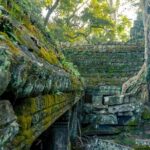
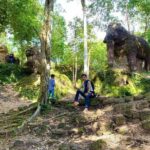
Then comes the Terrace of the Elephants, including a noted 350-metre long stretch. This matters more than it sounds. The terrace wasn’t just a decorative walkway; it functioned as a giant viewing platform for public ceremonies and served as a base for the king’s grand audience hall. Seeing it in that context makes the space feel purposeful rather than just impressive.
You’ll have about 30 minutes here. That’s enough to get photos and walk the main viewpoint, but it’s not a deep, linger-in-one-spot kind of time. If you’re the type who likes to step back and let an architecture scene settle into your brain, you may feel a little time pressure. Still, the guide’s interpretation can make those 30 minutes feel more substantial.
Terrace of the Leper King
Finally, you’ll move to the Terrace of the Leper King, with a shorter 30 minutes. The key detail here is the nude sexless statue standing atop a 7-metre platform. It’s one of those Angkor elements that people remember because it’s strange, direct, and not easily filed into a simple “pretty ruins” category.
Then the tour finishes the temple touring portion and returns you around 12pm for lunch. That midday wrap-up is a practical win: you get a real break before the lake section, and you’re not trying to power through the hottest part of the day on stone.
Tonle Sap Lake: a 160km-long ecology lesson in one hour
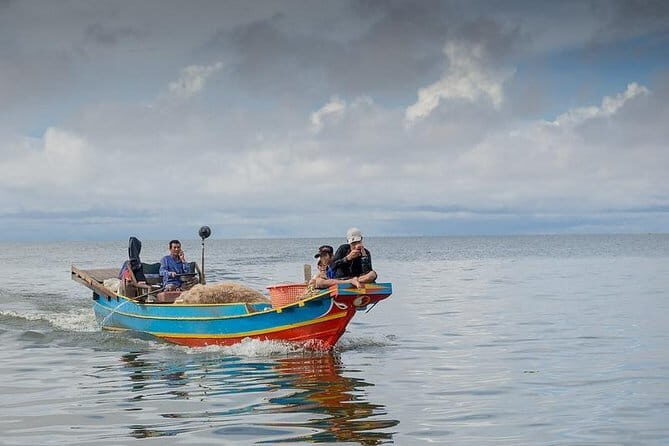
After lunch, you shift to Tonle Sap Lake. This is the biggest change of the day, and it’s also one of the most valuable. Angkor is about human design and symbolism; Tonle Sap is about geography and living systems.
Tonle Sap is listed as about 160km long and 36km wide, and the area is described as an ecological marvel, with special attention to its biodiversity and hydrology. You’ll have about 1 hour, and the itinerary notes admission is free for this segment.
That one-hour block is likely enough to get oriented and enjoy the lake atmosphere without the tour turning into a multi-hour nature program. It’s also a nice reset for your body. If your morning involved lots of walking and standing around temple viewpoints, this is where you can trade “stone and carvings” for “water and sky” and feel your energy come back.
If you’re sensitive to heat and sun, plan to hydrate before you arrive and keep a hat handy. Lake light can be bright, and the comfort of your day matters more than people think.
Chong Kneas floating village cruise after lunch: daily life by canal
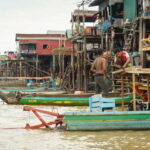
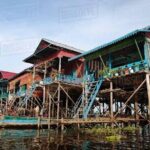
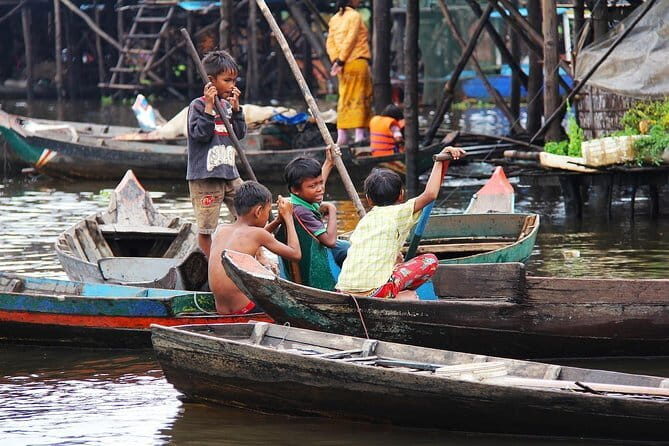
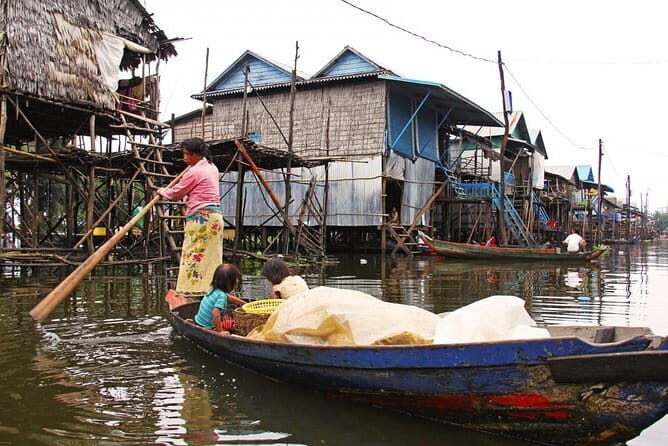
One of the most memorable parts of this day is the canal cruise through Chong Kneas. After lunch, you’ll drive about 30 minutes to the departure point at Chung Khneas village and then cruise along canals past floating communities.
You’ll get about 1 hour on the water, and this segment is built for eye-level details. You can expect to see floating villages that include schools, restaurants, and even a hospital. The tour also highlights daily work and play: fishing nets being mended, children swimming and playing, floating pigpens, and even crocodile enclosures.
This is the point where the day stops being only about ruins. You’re seeing how people adapt their lives to water levels and daily routines. It’s also a photo-friendly part of the trip, but in a different way than Angkor—here you’ll be photographing real movement and real settings, not only static architecture.
Practical advice: keep your camera secured and be ready for reflections. Water scenes can look amazing, but glare can ruin a shot fast. If you’re prone to motion discomfort, it’s worth taking it easy with snacks before the cruise.
Price and value: what $79 gives you (and what it doesn’t)
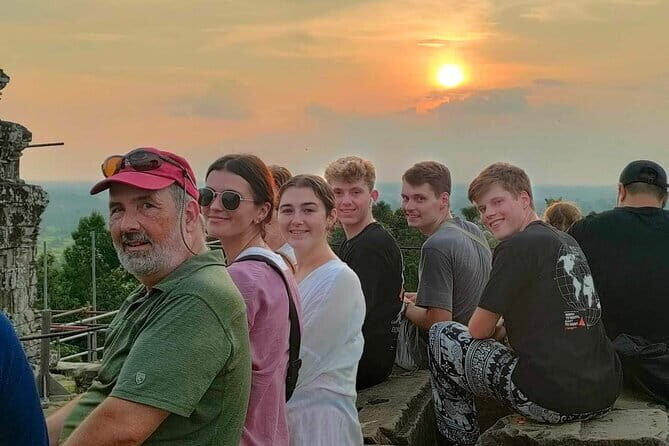
At $79 per person for about 8 hours, the deal makes sense if you care about convenience and having one guide connect the dots. You’re paying for private transportation, an English-speaking guide, and lunch. You’re also getting a single-day route that covers multiple major Angkor sights plus Tonle Sap and the floating village cruise.
The big cost item not included is the Angkor Temple Pass. That’s important because it can change the true all-in price. If you already know the pass cost for your dates, you can judge the value more accurately. If you don’t, your first step should be to confirm what you’ll pay on arrival or in advance for the pass.
On balance, $79 is strongest for people who don’t want to piece together a driver, a guide, and a lunch stop between distant locations. A guided day like this can also be less stressful than trying to map the order of temples yourself when you’re only in Siem Reap for a short time.
Who this private tour suits best
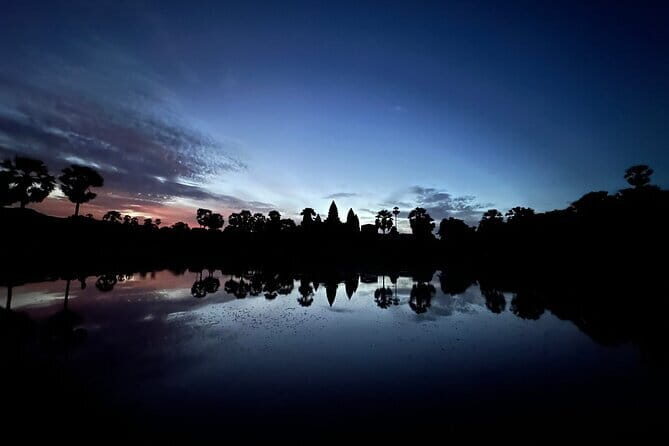
This tour is a great match for:
- First-time Angkor visitors who want the must-see names and symbols explained clearly.
- People who like a guided structure rather than an all-day free-roam plan.
- Groups who want a private day with their own schedule and fewer coordination headaches.
- Anyone who wants Angkor plus a real-world contrast through the floating village cruise.
If you’re the type who dreams of spending half a day alone in one temple hall, you might find some stops—like the terraces—handled with a shorter time window. But if your goal is to see the big landmarks and understand what they meant, this format tends to land well.
Small considerations that can affect your day
Two things can shape how you experience the tour:
1) Admission and timing. The Angkor Temple Pass isn’t included, and the day’s temple segments move on at set times—so you may not have unlimited wandering freedom.
2) Heat and walking. Temple days in Siem Reap can feel physical. This tour is well paced for most people, but you’ll still want water, sun protection, and comfortable shoes.
Also, this experience is noted as requiring good weather. If conditions are poor, you should expect the provider to offer an alternate date or a refund. Weather can be the difference between enjoying the lake portion and feeling cold, wet, or stuck.
Should you book this private Angkor Temples and Tonle Sap tour?
I’d book this if you want an efficient, guided day that covers Angkor Wat, Angkor Thom, and Bayon in the morning, then earns its keep with Tonle Sap and a Chong Kneas canal cruise after lunch. The value is strongest when you appreciate not having to coordinate transport, guide services, and meals across multiple locations.
Skip it—or plan your expectations carefully—if you already have the Temple Pass figured out and you want very slow, standalone temple exploring without timed windows. The terraces are included, but some time blocks are short, so your “deep linger” style may require a separate day.
If this is your only full day in Siem Reap, this is the kind of plan that helps you come away with both the big Angkor icons and the lived reality of Cambodia’s lake communities.
FAQ
FAQ
What time does the tour start in Siem Reap?
It starts at 8:00am.
Is pickup offered?
Yes, pickup is offered.
Is this a private tour?
Yes. It’s private, meaning only your group participates.
What’s included in the price?
The tour includes lunch, private transportation, and an English-speaking guide (other languages upon request).
Are admission tickets included for Angkor temples?
No. The Angkor Temple Pass is not included.
Is Tonle Sap admission free on this tour?
The Tonle Sap Lake entry is listed as free for the tour.
How long is the cruise at Chong Kneas floating village?
The Chong Kneas cruise is scheduled for about 1 hour.
How long is the entire experience?
It’s approximately 8 hours.