REVIEW · SIEM REAP
Angkor Wat 2 Days and a Half Temples & Tonle Sap-Small Group Tour
Book on Viator →Operated by Journey Cambodia · Bookable on Viator
Pre-dawn temple lights are a different world. This Angkor Wat 2 Days and a Half Temples & Tonle Sap small-group tour strings together big sights and slower, atmospheric corners around Siem Reap, with sunrise at Angkor Wat and a Tonle Sap boat ride to Kampong Phluk. I like the tight group size (max 15) and the fact you’re not just bouncing between temples—you’re also getting context from an English-speaking guide. I also like the practical comfort touches: an air-conditioned vehicle, bottled water, and a cool towel. One thing to plan for: the temple pass is not included (paid at the sites), so the real total cost is higher than the base tour price.
You also need to be ready for early mornings and a lot of walking in temple compounds. If you’re hoping for a super laid-back day with lots of sitting, this may feel intense—especially on the day with the Angkor Wat sunrise experience.
In This Review
- Key Points at a Glance
- Angkor Wat Sunrise and Sunset: The Timing That Changes Everything
- Guides and Small-Group Energy (Sak and Mao)
- Day 1 Temples Outside Angkor Thom: Pre Rup to Preah Khan
- Pre Rup: A mountain-temple start
- Banteay Srei: Fine carving, smaller scale
- Neak Pean: A Buddhist temple on an artificial island
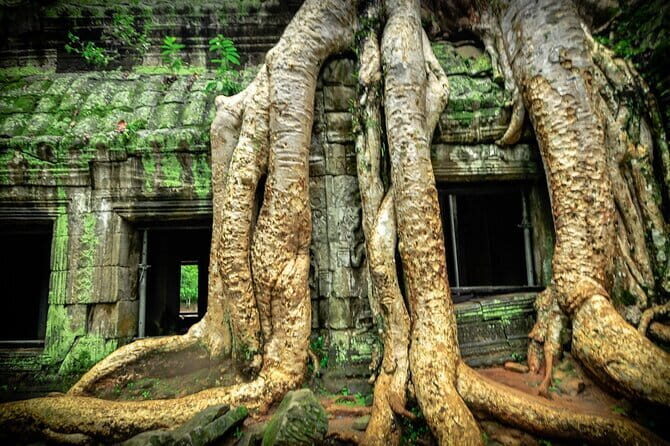
- Preah Khan: Atmosphere, roots, and ruins
- Day 2 Angkor Wat Sunrise to Bayon Faces: The Big Hit, Plus the Variety
- Angkor Wat: torchlight entry and a rarely visited side
- Srah Srang: breakfast and a quick rest
- Ta Prohm: the jungle-enveloped temple
- Angkor Thom: eastern gate and moving into the core
- Bayon Temple: 200+ faces and a slow-down moment
- Day 3 Tonle Sap and Kampong Phluk: Real Life on the Water
- Kampong Phluk: boat trip to floating villages
- Price and What You Actually Get for $79
- What to Expect Day to Day: Pacing, Comfort, and Realistic Expectations
- Who This Tour Suits Best
- Should You Book This Siem Reap Temples and Tonle Sap Tour?
- FAQ
- What is the duration of this tour?
- Where does the tour start?
- Is the temple pass included in the price?
- What does the tour include for Angkor Wat and the rest of the temples?
- Does the tour include Tonle Sap?
- Are meals included?
- Is there any entertainment included?
Key Points at a Glance
- Small group, max 15 travelers: easier questions, less crowding than big buses
- Angkor Wat sunrise with torchlight: you enter in darkness and see the eastern side
- Day 1 sunset over ancient ruins: a calmer, golden-hour contrast to the big days
- Tonle Sap and Kampong Phluk by boat: you see real water-based life
- Srah Srang breakfast stop: short rest built into a busy temple schedule
- Phare Circus in dry season (Seat C): a fun add-on if your dates match
Angkor Wat Sunrise and Sunset: The Timing That Changes Everything
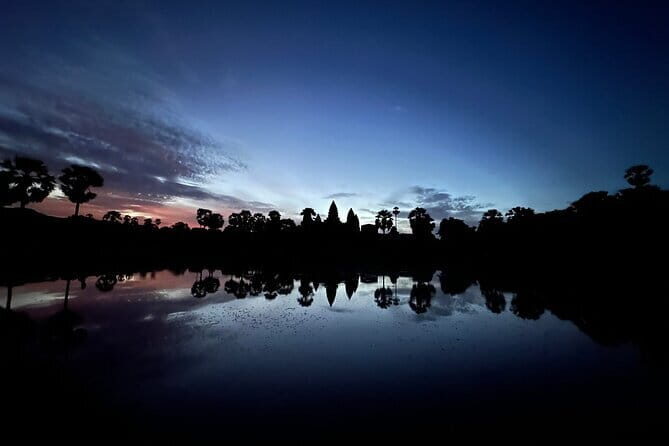
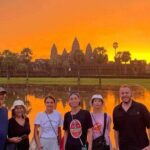
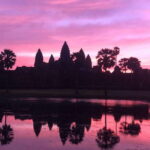
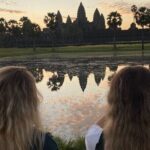
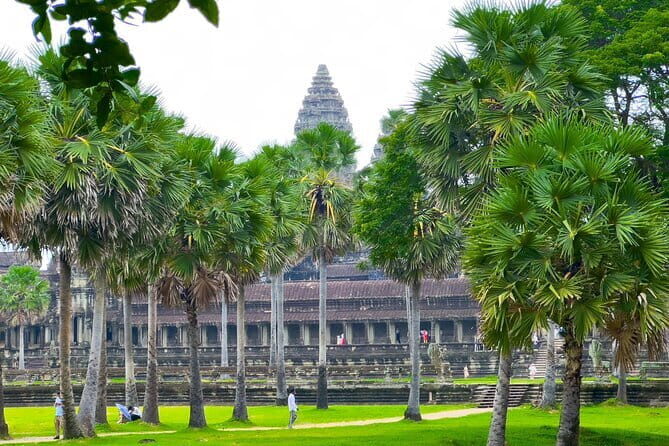
The biggest reason this tour works is the schedule. Angkor at sunrise is not the same place as Angkor at mid-morning. At first light, the light is softer, faces and stone details look different, and the crowds haven’t fully arrived yet. In this tour, the day starts with a pre-dawn departure from your hotel so you can see the sunrise outside Angkor Wat. Then you move inside in darkness, guided by torchlight, walking the rarely visited eastern side.
That eastern route detail matters more than you’d think. Most people concentrate on the obvious angles. Here, you get a different perspective on Angkor Wat’s layout, and it feels more like you’re discovering than checking boxes. Even if you’ve seen photos, the feeling of moving through the temple before the full day wakes up is hard to replicate.
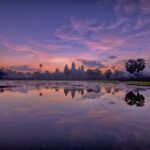
Then there’s sunset on day one. The overview calls it a stunning sunset over ancient ruins, and that’s exactly the kind of contrast you want after a temple-heavy start. Sunrise sets the stage. Sunset helps you process it, because the shadows stretch and the colors change. If you’re the type who likes photos, this also gives you better light without turning your whole day into a camera contest.
A few more Siem Reap tours and experiences worth a look

Guides and Small-Group Energy (Sak and Mao)
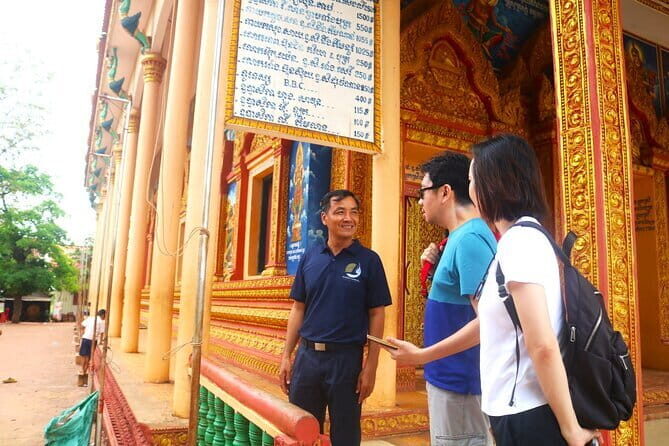
This is a small-group tour with a maximum of 15 travelers, which you’ll feel from the start. You can ask questions. You’re not shouting over a big bus.
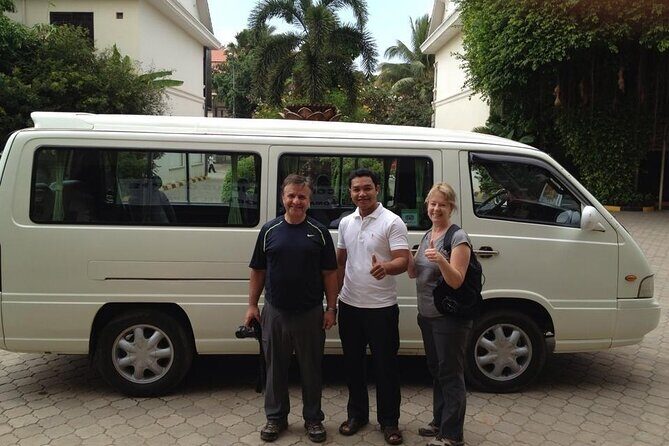
The reviews are especially clear about the guide pairing. Sak and Mao come up again and again. Sak is praised for great English and for being well educated on the temples plus Cambodian culture. Mao gets credit as a fantastic driver, which matters in Siem Reap traffic and on long bumpy stretches. When the driving is smooth, you arrive less worn out and you can actually pay attention.
English-speaking guides are one thing. But the best guides do two jobs at once: they explain what you’re seeing, and they help you understand why it was built and how people in Cambodia relate to it now. With Sak, you’re getting that cultural layer alongside the stone-and-timeline basics.
Day 1 Temples Outside Angkor Thom: Pre Rup to Preah Khan
Day one is the “outside the main core” day, which is smart. Angkor Wat and Angkor Thom can dominate your trip, so it helps to start with temples that feel quieter and often more photogenic.
Pre Rup: A mountain-temple start
You begin at Pre Rup, a Hindu temple described as a mountain temple built with brick, laterite, and sandstone. The value here is the first taste of Angkor’s design logic: you see how the builders used layered materials and elevation to create a sense of structure and power. Pre Rup also works as a warm-up because it’s close to the next stops and doesn’t swallow your whole day right away.
A quick note: the itinerary lists about 1 hour here. That’s enough to look closely, but you still need to keep your energy for what’s coming.
Banteay Srei: Fine carving, smaller scale
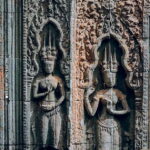
Next is Banteay Srei, which is often singled out for its detailed reliefs and strong state of preservation. This tour highlights it as a smaller sandstone structure with reliefs considered among the finest and most skillfully crafted in Cambodia. In plain terms: you’ll be able to slow down and appreciate the craftsmanship more than at bigger, busier monuments.
The stop time is 2 hours, which is good. At Banteay Srei, you’ll want that extra time because the beauty is in the details—patterns, faces, and storytelling panels.
Neak Pean: A Buddhist temple on an artificial island
On the return journey you see Neak Pean, described as an artificial island with a Buddhist temple on a circular island. This is the kind of stop that can feel more reflective than dramatic. It’s not just about grand scale; it’s about setting and symbolism.
You get about 1 hour. Enough to wander around, look for the island setting, and understand how different faith traditions are represented across the Angkor site.
Preah Khan: Atmosphere, roots, and ruins
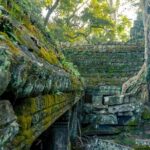
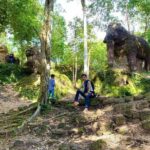
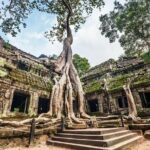
Finish day one at Preah Khan, a ruined temple complex known for its atmosphere—especially the combination of tree roots and crumbling stone structures. This is where Angkor starts feeling less like an outdoor museum and more like living nature meets archaeology.
Time here is about 1 hour. It’s short, but Preah Khan’s visual drama does a lot of the work for you. You’ll likely spend more of your energy looking up and around than reading, and that’s fine.
Day one is also where the itinerary overview promises the sunset. If you’re trying to time your photos, focus on getting your best shots of the sunset before your energy starts to sag.
Day 2 Angkor Wat Sunrise to Bayon Faces: The Big Hit, Plus the Variety
If day one is about building your Angkor “vocabulary,” day two is about the headlines.
Angkor Wat: torchlight entry and a rarely visited side
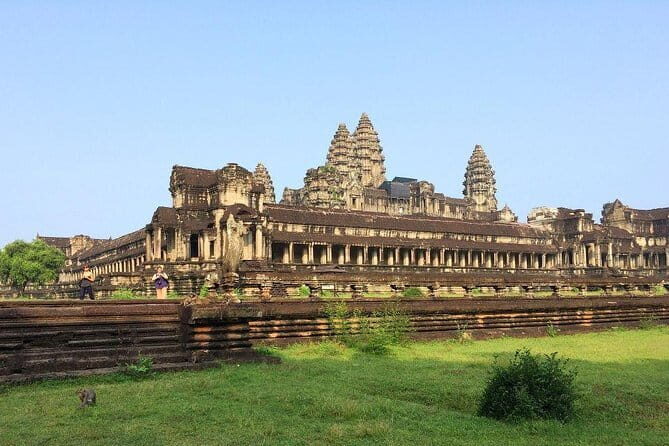
Angkor Wat gets pre-dawn departure for sunrise. The tour description includes a neat detail: you enter the temple in darkness and with the light from your torch, walking through the eastern side that’s rarely visited. That means you’re not only seeing sunrise—you’re seeing a different approach route.
Stop time is listed as about 3 hours. That’s a lot, but sunrise experiences usually need time for waiting, settling into the site, and taking in the scale. You may also find yourself standing in one place longer than expected because Angkor Wat can feel endlessly huge.
One practical consideration: early mornings are real here. The tour is scheduled so you’re leaving your hotel early, and you’ll want to sleep well the night before.
Srah Srang: breakfast and a quick rest
After the morning focus, you enjoy breakfast at a Khmer local restaurant, then a short rest. The itinerary lists about 1 hour for this stop. It’s a built-in reset, which makes the next temples easier to enjoy instead of just endure.
Srah Srang itself is a historic reservoir area, so even though the day’s anchor is Angkor Wat, this break connects you to the surrounding Angkor landscape.
Ta Prohm: the jungle-enveloped temple
Next is Ta Prohm, known for being jungle-enveloped and often described as one of the most atmospheric Angkor temples. The itinerary gives about 1 hour. This is one of those places where you’ll look at the structure and the surrounding plants at the same time. The balance between stone and vegetation makes Ta Prohm feel eerie in a good way—like you’re inside a story.
Angkor Thom: eastern gate and moving into the core
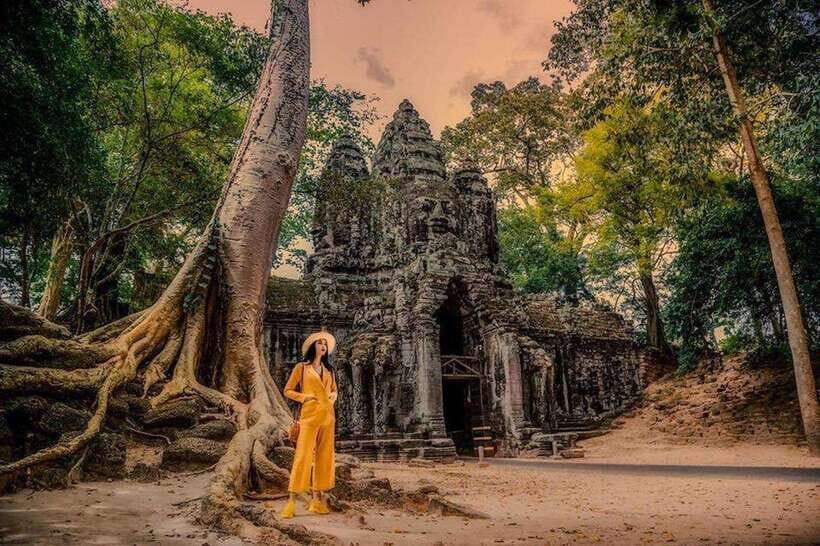
You then continue to Angkor Thom, starting with the eastern gate for about 20 minutes. That time is short, so you’ll want to be mentally ready to take quick in-and-out photos and soak in the overall entrance vibe rather than trying to read every detail.
Bayon Temple: 200+ faces and a slow-down moment
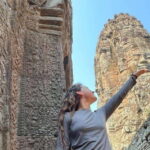
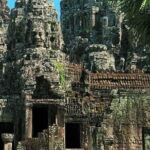
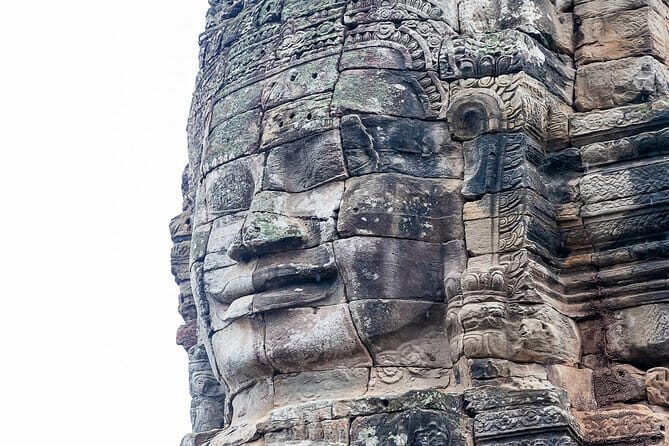
Finally, you reach Bayon Temple, famous for towers covered with more than 200 enormous faces. The stop is about 1 hour. This is the kind of temple where, once you start looking closely, you realize the faces are the point. You might find yourself walking around repeatedly just to catch different angles of the carvings.
Bayon closes the morning section with a very strong visual identity. After sunrise at Angkor Wat, Bayon feels like the rest of the story—less about pure light and more about personality carved into stone.
Day 3 Tonle Sap and Kampong Phluk: Real Life on the Water
Day three shifts your trip away from carved stone and into Cambodia’s living landscapes.
Kampong Phluk: boat trip to floating villages
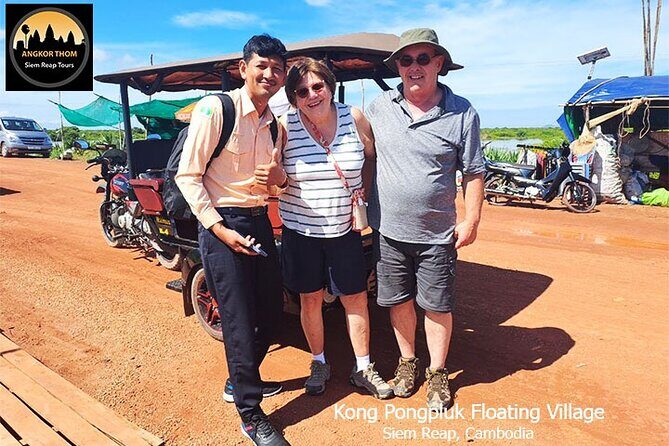
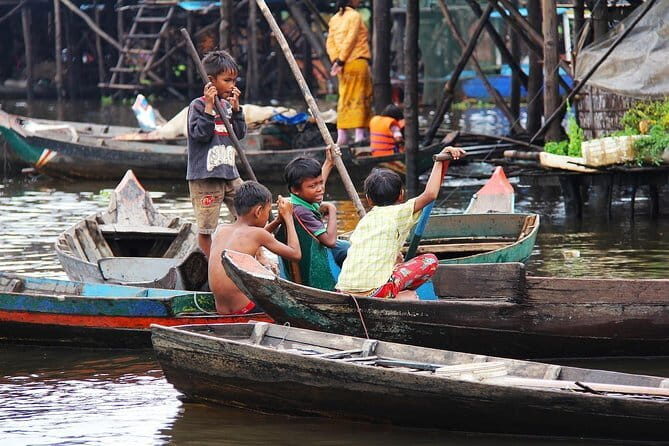
You start your journey in the morning for Tonle Sap Lake, described as the world’s second-largest freshwater lake. Then you take a boat trip to Kampong Phluk, a collection of three small fishing villages.
This part is 4 hours and includes the Tonle Sap entrance fee and boat cruise. The value is that you’re seeing water-based livelihoods rather than only heritage monuments. The trip is also a nice pacing change after two intense temple days.
The overview mentions gliding through floating villages. In real terms, you’ll spend time on the water, looking at how homes and structures relate to the lake’s conditions. The angle shift is big: instead of temple symmetry, you’re looking at everyday life and how people adapt to a changing environment.
A consideration here: boat days can be cooler early, but conditions can vary. I’d plan for changing weather rather than assuming it will match your previous day.
Price and What You Actually Get for $79
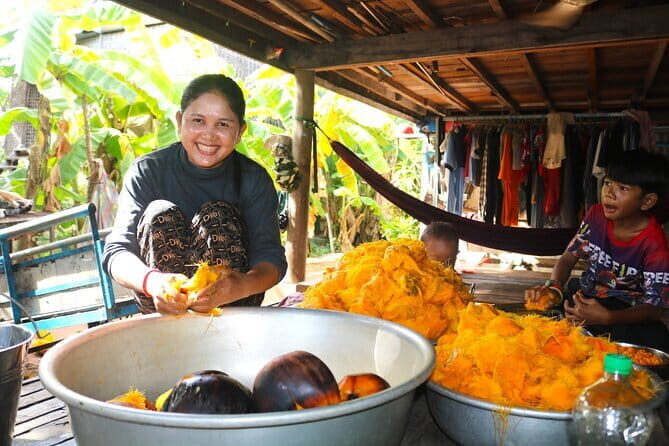
At $79 per person, this tour is priced like a practical Siem Reap package: you’re paying for transport, an English-speaking guide, and the two big experiences—sunrise/sunset and Tonle Sap boat time—plus bottled water and a cool towel.
The key detail is what’s not included: the temple pass is $62 per person, paid directly at the sites. Meals are also not included, though you do get breakfast at a Khmer local restaurant during the Srah Srang stop.
So your real budget is closer to:
- Tour price: $79
- Temple pass: $62
- Meals: you choose
- Optional additions: if your dates match the dry-season Cambodia Phare circus (Seat C), you may get that included
Is it good value? I think it is, because the included pieces are expensive in time and logistics if you DIY them. Getting sunrise organized correctly, having a guide for context at multiple temples, and including the Tonle Sap boat cruise saves you from piecing it all together day by day.
Also, the tour is average booked 68 days in advance, which suggests people plan ahead for the sunrise timing and a smaller group experience.
What to Expect Day to Day: Pacing, Comfort, and Realistic Expectations
You’ll ride in an air-conditioned vehicle between stops, and the tour includes hotel pickup and drop-off. That’s a big deal because temple sites are spread out, and the heat and road time can wear you down if you’re doing it on your own.
The pacing is temple-heavy. Day one and day two include several stops in a row, with typical stop lengths from 20 minutes to 3 hours depending on the site. Day three is fewer “monument stops,” but it’s still a time block thanks to travel and the boat trip.
Comfort wins are clearly built in:
- bottled water
- cool towel
- experienced English-speaking guide
- sunrise and sunset experiences treated as core parts of the plan
The likely drawback is simple: you’re trading flexibility for structure. If you love to wander off the route or you get tired easily, you might find the schedule brisk.
Who This Tour Suits Best
I’d point you toward this tour if you want:
- a small group (max 15) and a guide who can answer real questions
- the big Angkor moments done right: Angkor Wat sunrise plus sunset
- a full day of living culture at Tonle Sap, not just another temple stop
- a package where the driving and timing are handled, so you can focus on looking and learning
This may not be the best fit if you’re chasing a totally relaxed pace, or if paying for the temple pass separately feels like a hassle. Still, even then, the included sunrise, sunset, and boat time are hard to beat.
Should You Book This Siem Reap Temples and Tonle Sap Tour?
Yes, I think you should book it if sunrise at Angkor Wat and Tonle Sap are on your priority list. The guide quality angle is strong—Sak’s English and temple/culture knowledge, plus Mao’s driving—based on the feedback you can see clearly. Add in the small group size and the comfort touches, and it becomes a smart way to cover a lot of ground without turning the trip into a stressful checklist.
If you’re budget-tight and you hate the idea of the temple pass being extra, then double-check your total cost up front. Once you plan for the $62 pass and your meals, the rest feels like a well-structured deal.
FAQ
What is the duration of this tour?
The itinerary runs for about 3 days (often described as 2.5 days), with temple-focused days plus a Tonle Sap day.
Where does the tour start?
It starts in Siem Reap, with pickup offered. The listed start time is 8:00 am.
Is the temple pass included in the price?
No. The temple pass is not included. It must be paid directly to the site for $62.00 per person.
What does the tour include for Angkor Wat and the rest of the temples?
You get guided visits across multiple temples, including sunrise at Angkor Wat and a sunset experience, along with stops such as Ta Prohm, Angkor Thom, and Bayon.
Does the tour include Tonle Sap?
Yes. It includes Tonle Sap entrance fee & boat cruise, with the boat trip to Kampong Phluk.
Are meals included?
Meals are not included. The schedule includes breakfast at a Khmer local restaurant during the Srah Srang stop, but other meals are up to you.
Is there any entertainment included?
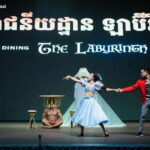
The Cambodia Phare circus (Seat C) is included in the dry season.