REVIEW · SIEM REAP
Angkor Wat, Angkor Thom, and Ta Prohm Day Trip with Sunset
Book on GetYourGuide →Operated by Private Siem Reap Tour Guide & Transport · Bookable on GetYourGuide
Three temples, one golden hour.
This one-day trip in Siem Reap strings together Angkor Wat, Angkor Thom, and Ta Prohm, then tops it off with a sunset climb. I love how the English guide turns stone carvings into stories of the Khmer Empire as you walk between major highlights like Bayon and the elephant and leper-king terraces. I also love the payoff of ending at Phnom Bakheng for sunset, because the light changes so fast that you actually need a plan, not luck.
Before you go, know one catch: temple tickets and lunch are not included, so you’ll want to budget and plan a meal break. The day is packed with walking and heat, but the trade-off is you cover the big names without wasting time.
In This Review
- Quick reasons this day trip works so well
- The value of stacking Angkor Wat, Angkor Thom, Ta Prohm, and sunset
- Meet the guide: the real reason the temples feel understandable
- Angkor Thom’s South Gate to the Terrace of the Leper King
- Bayon and Baphuon: the faces and the architecture lesson
- Ta Prohm: the jungle-temple contrast that changes your pace
- Srah Srang and the lunch break that keeps the day enjoyable
- Angkor Wat: why the guided time at the main temple pays off
- Sunset at Phnom Bakheng: timing, sweat, and the kind of photos you want
- Transportation and pacing: how to survive a full day without missing the good parts
- Price check: is $19 good value for Angkor and sunset?
- Who this day trip is best for
- Should you book this Angkor Wat, Angkor Thom, Ta Prohm, and sunset day trip?
- FAQ
- What’s included in the tour price?
- Are temple tickets included?
- Is lunch included?
- What’s the duration of the trip?
- What language is the guide?
- Do I get skip-the-line access?
- What should I bring for the day?
- Is this tour suitable for everyone?
- FAQ
- What’s the cancellation policy?
- Is flash photography allowed?
- What about smoking?
Quick reasons this day trip works so well
- Skip-the-line entrance means less waiting and more time looking
- English live guide helps you understand what you’re seeing at each temple
- Angkor Thom circuit covers the South Gate, Bayon, Baphuon, and the terraces
- Ta Prohm’s jungle vibe gives you that dramatic roots-and-stone contrast
- Sunset at Phnom Bakheng is built into the schedule, not an afterthought
The value of stacking Angkor Wat, Angkor Thom, Ta Prohm, and sunset
If you’re in Siem Reap for a short time, this is the kind of itinerary that makes sense. You’re not picking one temple and hoping you can squeeze the rest in. Instead, you get a full Angkor day with a clear arc: major city-temple ruins in the morning/early afternoon, a dramatic jungle-temple stop, and then the big centerpiece at Angkor Wat.
The best part is how the guide’s storytelling connects the dots. You’ll see the faces at Bayon, the architectural ideas behind Angkor Thom, and why Angkor Wat still functions as an important spiritual symbol. Even if you only half-follow the details, the “why it looks like that” gets clearer with every stop.
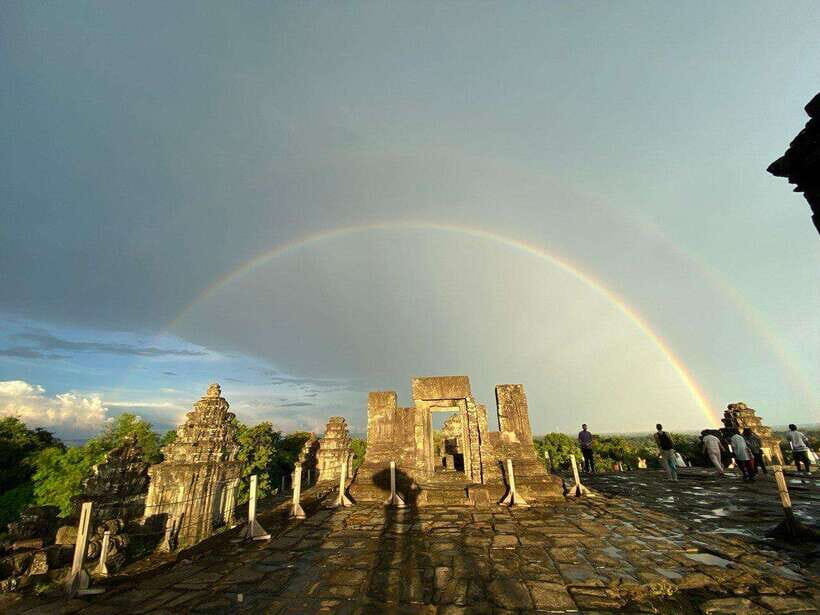
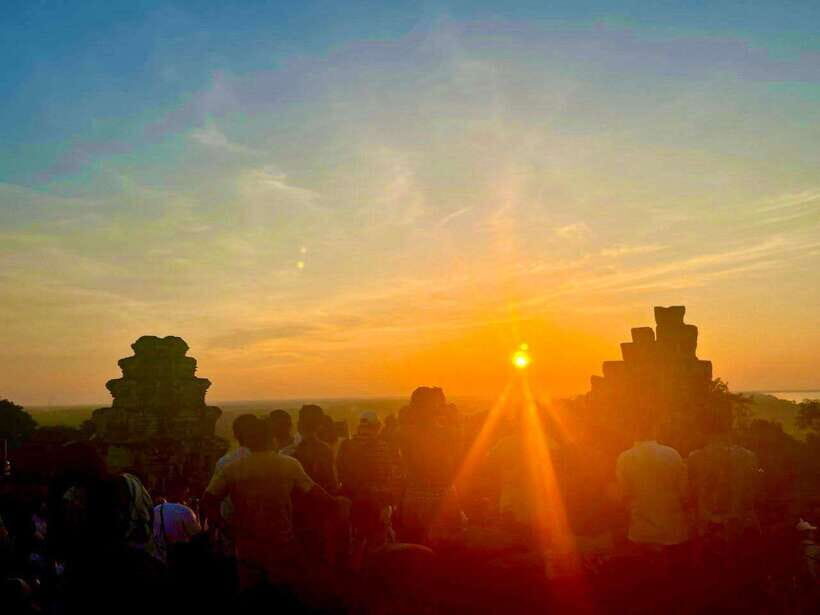
And yes, the sunset component matters. Phnom Bakheng at golden hour is one of those moments where you’ll want to be standing in the right place at the right time, not scrambling around with a map.
You can also read our reviews of more evening experiences in Siem Reap

Meet the guide: the real reason the temples feel understandable
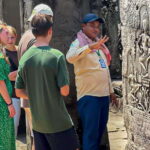
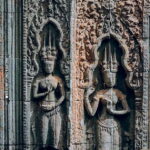
This trip runs with an English live guide, and that’s a big deal at Angkor. Without context, you can end up doing a lot of staring and not much learning. With a good guide, you start noticing patterns: how carvings are placed, how towers and gates relate, and how different Khmer rulers favored different religious themes.
In past groups, guides included Mr. Rith, Paul, David, Mr Prohm, and Bo, and the common thread was clear communication and a strong focus on history. You can also count on the guide to keep you moving safely and explain what you should do in each area, including basic photo and walking etiquette.
If you like asking questions, this format helps. You’re not just watching from a bus window. You’re walking with someone who can point out what to look for and explain it in plain language.
Angkor Thom’s South Gate to the Terrace of the Leper King
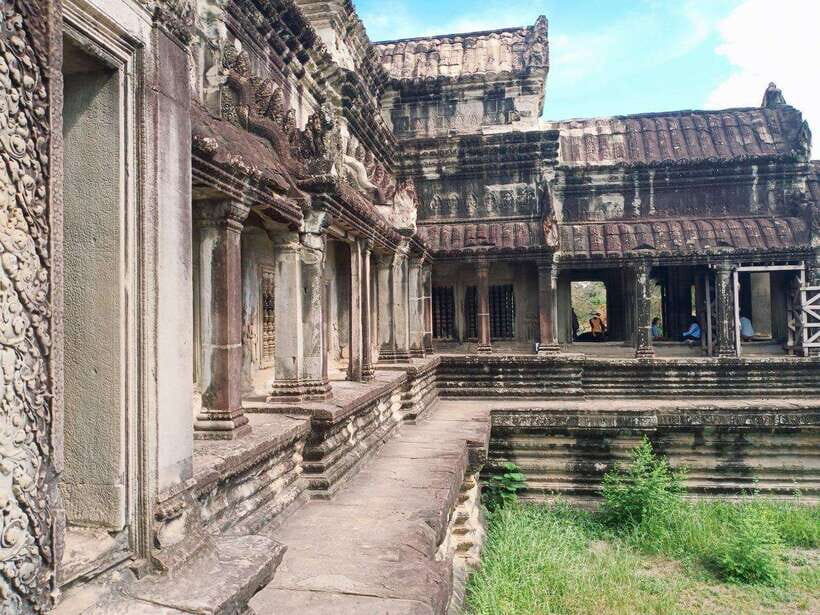
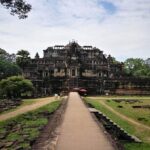
Angkor Thom is where the former capital-city scale becomes obvious. You’re stepping into a whole complex of monuments, not a single landmark. The day includes the South Gate, Bayon, and additional stops that round out the Angkor Thom experience, including the terraces.
The South Gate is a smart starting point because it frames the whole mindset of the Khmer capital. You get a sense of arrival—how a person enters a sacred and political space. From there, the route keeps shifting from gateways to towers to courtyards, so the ruins feel like a place with flow, not random piles.
Then come the terraces. The Terrace of the Elephants and the Terrace of the Leper King are short stops, but they’re visually loaded. Even if you don’t know the story yet, you can feel the intent: these areas are built for visibility and ceremonial drama.
Tip for your photos: the terraces are best when you pause and look from different angles. If you only shoot straight on, you’ll miss details in the carvings and the way the stonework guides your eye.
Bayon and Baphuon: the faces and the architecture lesson
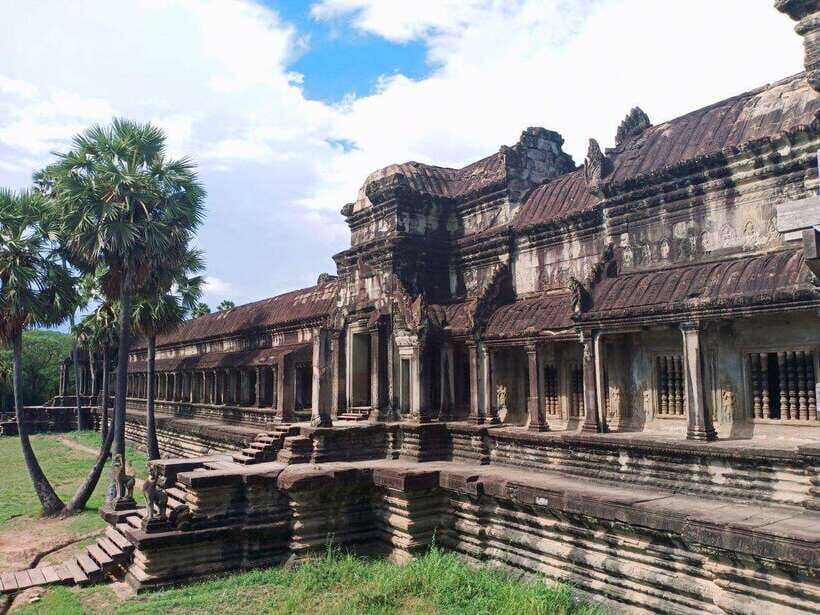
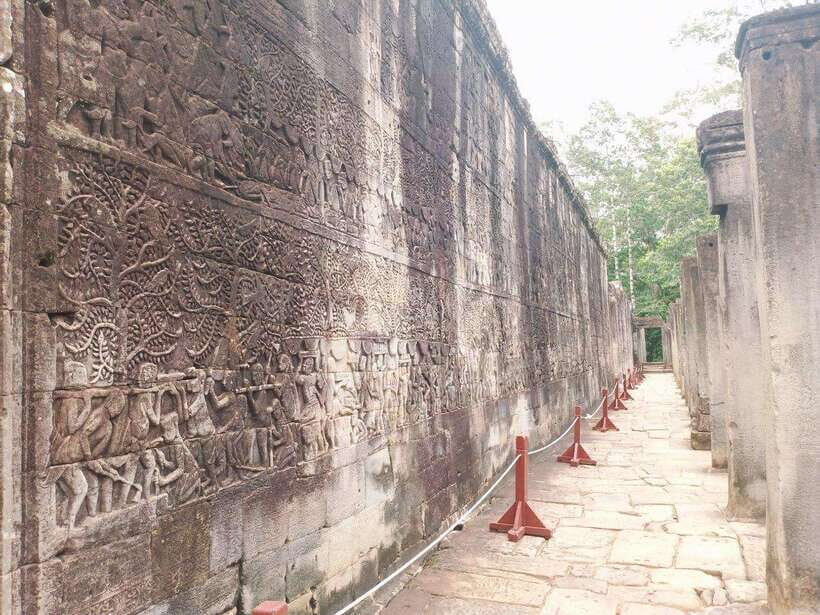
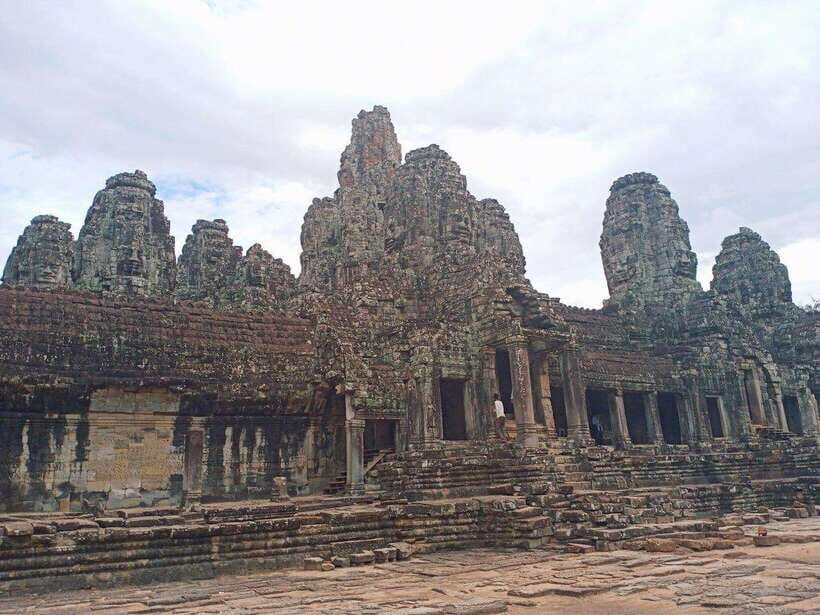
Bayon is one of those temples where you end up looking up without realizing it. The included time is enough for a real walk-through with guidance, so you’ll understand what you’re looking at instead of just collecting snapshots.
The guide’s role here is practical. They help you connect the temple’s features to how Angkor’s rulers expressed power and belief. You also get a better feel for why Bayon’s expression is so distinctive compared with other structures in the broader site.
Baphuon is a key partner stop because it adds another layer to the story of Angkor Thom. With a guide, you can compare styles and massing and start seeing the bigger architectural thinking behind the ruins.
Even if you’re not a hardcore history buff, these two stops are where the day clicks. You move from “beautiful ruins” to “I get what they were trying to do.”
Ta Prohm: the jungle-temple contrast that changes your pace
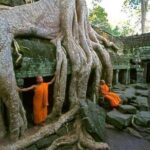
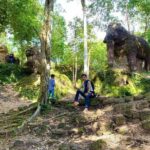
Ta Prohm is famous for a reason. This is the temple where overgrown trees and the jungle setting tug your attention away from symmetry and straight lines. The result is a different mood than the more formal city-temple vibe of Angkor Thom.
The included time is shorter than the Angkor Wat block, but it’s still enough for you to slow down and absorb the atmosphere. You’ll see how stone and roots coexist in a way that feels almost cinematic. It also gives you an emotional break from the heavier architectural density of the other stops.
Practical note: take a breath and plan your footing. Roots and uneven surfaces can make quick photo stops risky if you’re rushing. This is also a good place to think about what kind of photos you want: wide-angle shots for the overall scene, or closer shots for the textures and junctions where plants meet stone.
A few more Siem Reap tours and experiences worth a look


Srah Srang and the lunch break that keeps the day enjoyable
Some day trips push you from temple to temple with barely a pause. This one gives you time for a break at Srah Srang and a lunch window. It’s not a sightseeing detour, it’s a reset button.
Why it matters: in Siem Reap heat, fatigue makes you miss things. A break helps you stay sharp for Angkor Wat and sunset, which are the big emotional finishers.
If lunch isn’t included, that doesn’t automatically mean it’s bad value. It just means you can choose what fits your appetite and budget that day. I’d treat the lunch stop like part of your strategy, not an inconvenience.
Angkor Wat: why the guided time at the main temple pays off
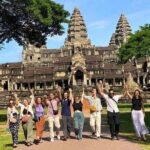
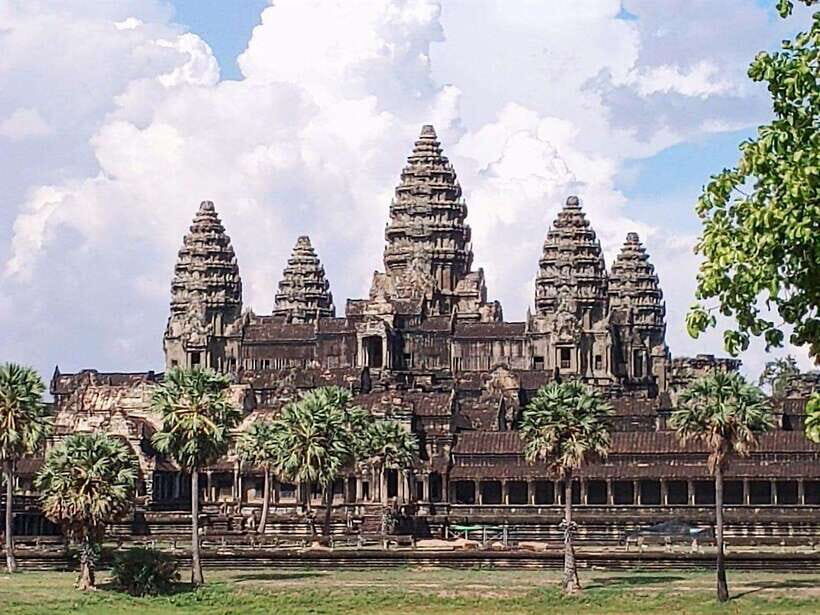
Angkor Wat is the headline. It’s described as a Hindu temple complex that later connects with Buddhist tradition, and it’s tied closely to the Khmer Empire and the reign of King Suryavarman II. That’s a lot to carry, but you don’t have to memorize it. A guide helps you translate those ideas into what you’re seeing on the ground.
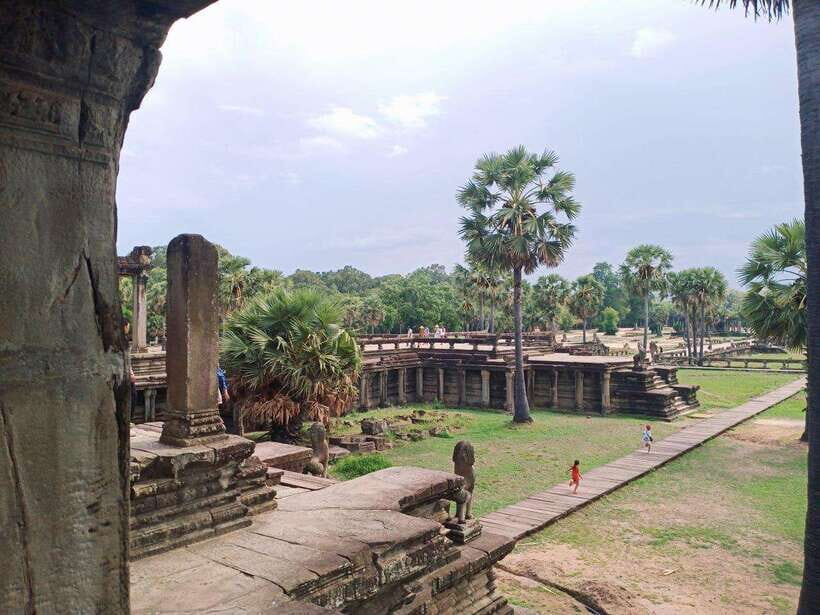
The schedule builds in a longer guided visit at Angkor Wat compared with most other stops. That matters because Angkor Wat rewards walking slowly and noticing relationships between spaces: the way the temple’s layout leads you, how levels change, and why the complex became such a powerful symbol over time.
One fun historical detail to listen for: Angkor Wat was built when the Khmer royal religious focus shifted, and the dedication to Vishnu is part of what makes it stand apart from some earlier temple traditions. Later, it became associated with ongoing religious use, which is why it has stayed so important.
If you want to make the most of your time here, don’t just aim for the first view. Take a moment at key structures, then step back and look for alignment and symmetry. With a guide’s prompts, your brain starts organizing the site instead of just reacting to it.
Sunset at Phnom Bakheng: timing, sweat, and the kind of photos you want
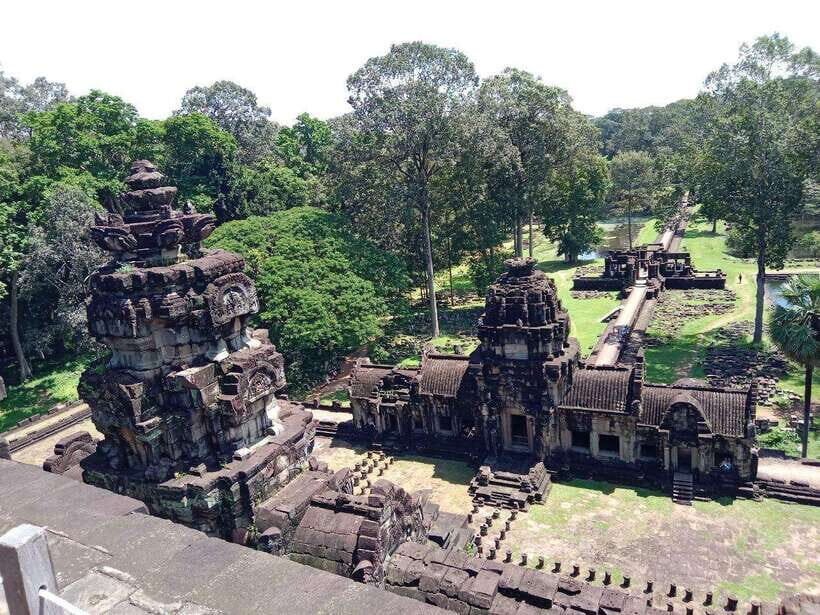
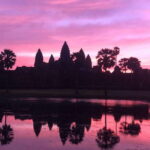
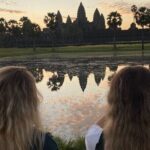
Ending at Phnom Bakheng for sunset is the right move. You’re not left to figure it out on your own at the end of a tiring day. The tour includes time for the sunset experience, which helps you manage the climb and the waiting that comes with popular viewpoints.
Sunset at Bakheng comes with two realities. First, it’s hot and humid enough that you’ll want hydration and a hat. Second, the view changes fast, so you need a stable spot rather than constant repositioning.
Plan to bring your camera, but also plan to look up with your own eyes. The best results often come from stepping back and letting your eyes adjust, then shooting in short bursts rather than frantic clicking.
A small but important rule: you’re not allowed flash photography. So if you’re photographing people or dim details, rely on your camera’s normal settings and keep exposure in mind.
Transportation and pacing: how to survive a full day without missing the good parts
You get pickup and drop-off from your hotel in Krong Siem Reap, plus air-conditioned van transport. A transfer time is built into the schedule, and that helps you settle in before the walking begins.
The walking level is described as moderate, and that’s honest. You’ll be on your feet enough that comfy shoes matter. If you’re thinking sandals might be fine, I’d reconsider. Cambodia’s temple paths can be uneven, and you don’t want sore feet stealing attention from the views.
Hot-weather gear is not optional here. Bring a hat and sunscreen, and wear light clothing that you can tolerate for hours. You’ll also want to have your own water habit, even though cold drinking water is included.
Price check: is $19 good value for Angkor and sunset?
At $19 per person for a one-day tour, this is one of the more budget-friendly ways to cover Angkor highlights. The big reasons it can be good value are simple: you get a professional guide, hotel pickup and drop-off, transport in an air-conditioned van, and cold drinking water.
The trade-off is also clear. Temple tickets and lunch are not included. So your true total cost depends on what tickets you need for the day and what you choose to eat during the lunch break.
Still, skip-the-line access via a separate entrance helps your time value. At Angkor, time is often the most expensive part of your day. When you waste less time waiting, you get more actual temple viewing.
If you’re trying to avoid the hassle of figuring out transport and guide coordination, the packaged format at this price level is hard to beat.
Who this day trip is best for
This is a great fit if you want a structured day with an English guide and you don’t want to spend hours planning each temple route. It also works well if you like meeting people and learning together as a group.
It’s not the best match if you need wheelchair access, and it’s also listed as not suitable for children under 12. Pregnancy is also a noted limitation, likely because of walking and sun exposure.
If you’re traveling solo, you’ll still get the benefit of a guide and driver handling logistics, while you’re free to focus on photos and questions.
Should you book this Angkor Wat, Angkor Thom, Ta Prohm, and sunset day trip?
I’d book it if you want maximum “greatest hits” coverage in one day, plus a guide who can explain what you’re seeing in real time. The combination of Angkor Wat, Angkor Thom, Ta Prohm, and a sunset payoff at Phnom Bakheng is a strong mix, especially when skip-the-line access is included.
I’d think twice if you’re trying to keep your day ultra-cheap or if you’re sensitive to long, hot walking. Since tickets and lunch aren’t included, you’ll need to plan those costs and decide what you’ll do for food.
If you’re flexible, wear good shoes, and show up ready for heat, this is the kind of day that gives you lasting images and better context than you’d get from self-guided wandering.
FAQ
What’s included in the tour price?
The tour includes a professional guide, hotel pickup and drop-off, transport by air-conditioned van, and cold drinking water.
Are temple tickets included?
No. Temple tickets are not included.
Is lunch included?
No. Lunch is not included.
What’s the duration of the trip?
The experience runs for 1 day.
What language is the guide?
The tour has a live guide in English.
Do I get skip-the-line access?
Yes. You enter through a separate entrance to skip the line.
What should I bring for the day?
Bring comfortable shoes, a hat, a camera, sunscreen, and water.
Is this tour suitable for everyone?
It’s not suitable for children under 12, pregnant women, or wheelchair users.
FAQ
What’s the cancellation policy?
You can cancel up to 24 hours in advance for a full refund.
Is flash photography allowed?
No. Flash photography is not allowed.
What about smoking?
Smoking is not allowed.