REVIEW · SIEM REAP
Angkor Wat Sunrise Private Experience with Guide from Siem Reap
Book on Viator →Operated by Angkor Wat Travel Tour · Bookable on Viator
Sunrise in Angkor feels like a cheat code. I love the private hotel pickup from Siem Reap (so you are not stuck waiting in a crowd) and the way the guide helps your group move with purpose, not stress. Still, the entrance tickets and meals are extra, so plan your budget before you go.
This is the kind of tour that makes the early wake-up feel worth it. The start time is 4:30 am, you get an air-conditioned vehicle, and you also get practical extras like cold towels and cold water. Guides I’ve heard great things about include Rith, Samuth (with driver Sombo), and Rey, and the common theme is clear: time spent well, explanations that actually help you see what you’re looking at.
In This Review
- Key things I’d zero in on
- 4:30 a.m. pickup: the trade-off that makes sunrise worth it
- Private vehicle and English guide: what you gain in real time
- Angkor Wat sunrise: climb, photos, and your first big wow
- Bayon at Angkor Thom: 54 towers and 216 faces you can actually spot
- Ta Prohm with fig-tree roots: where stillness beats speed
- Banteay Kdei: the quieter payoff after the big names
- Cost and value: what $52 covers, and how to budget tickets and meals
- Tips to make the day easier (and your photos better)
- Should you book this Angkor Wat sunrise private tour from Siem Reap?
- FAQ
- What time does the tour start?
- How long is the Angkor Wat sunrise private experience?
- Are entrance tickets included?
- What’s included in the tour price?
- Are meals included?
- Is this a private tour or a shared group tour?
Key things I’d zero in on
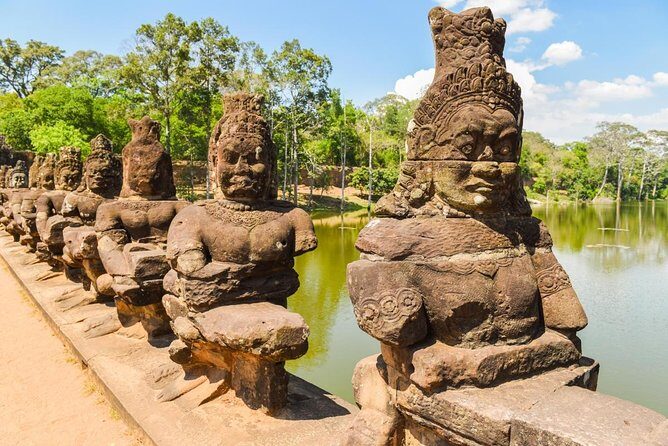
- 4:30 am start with pickup from your Siem Reap hotel area, built around the best light
- Private vehicle for your group, so you can keep a smoother pace than big group tours
- Angkor Wat sunrise + a main-entrance climb, meaning you’re not just standing at the gate
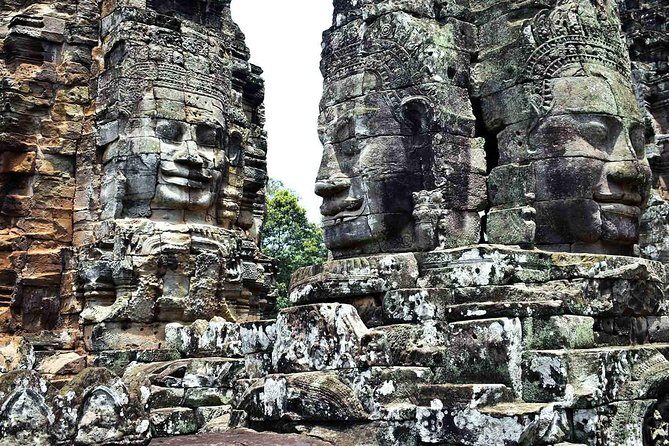
- Bayon’s exact details, including 54 towers and 216 faces you can spot as you walk
- Ta Prohm with fig-tree roots, left in a very hands-off state that rewards slow looking
- Cold towels and cold water to make the morning grind less miserable
4:30 a.m. pickup: the trade-off that makes sunrise worth it
Angkor Wat at sunrise is one of those moments where timing matters more than anything else. You’re starting early, and yes, it’s cold and dark at first. The advantage here is that the tour is structured to get you there at the right moment instead of having you scramble.
With pickup and a private vehicle, you also skip the worst part of early-morning travel in Siem Reap: waiting around. You’re on the move, and you have a plan. The day runs about 8 hours, so you get enough time to actually enjoy each stop rather than treating it like a conveyor belt.
A heads-up: sunrise tours can make you feel like you’re constantly “behind,” even when you’re right on schedule. If you are not a morning person, you’ll want to treat the first hour like a warm-up, not a sightseeing marathon. Then the light hits, and the whole site starts working for you.
You can also read our reviews of more guided tours in Siem Reap
Private vehicle and English guide: what you gain in real time
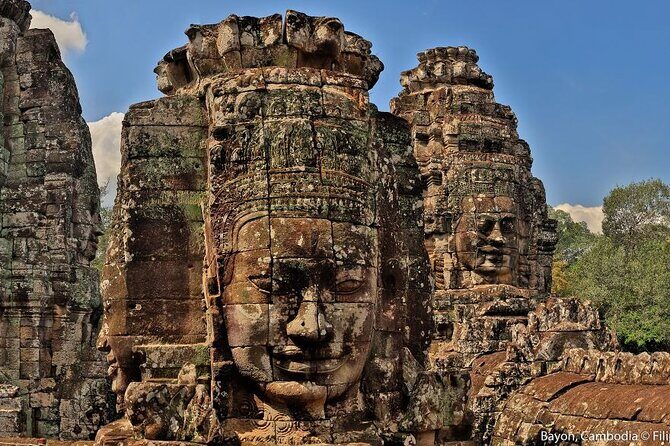
Most temples don’t care if you’re impressed or tired. What helps is having someone who can manage your route, your timing, and your expectations. This experience gives you an English guide plus your own air-conditioned vehicle, which changes the feel of the day immediately.
The biggest value is not the word private. It’s that private usually means you spend less time stopping for other people, and more time getting positioned well. The tour also mentions that your guide finds routes that larger groups don’t follow, which matters at Angkor because the “best” view points can get crowded fast.
On top of that, the tour includes cold towels and cold water, which is more important than it sounds when you’re climbing stairs and moving through open stone courtyards. You’ll still sweat, but you won’t feel like the day is already draining you before the best scenes.
If you want your visit to feel like a guided walk with context (not just photos and movement), this is built for you. And based on the guides people mention most—Rith, Samuth, and Rey—you can expect storytelling and practical explanation that makes the carvings and layout start to make sense.
Angkor Wat sunrise: climb, photos, and your first big wow
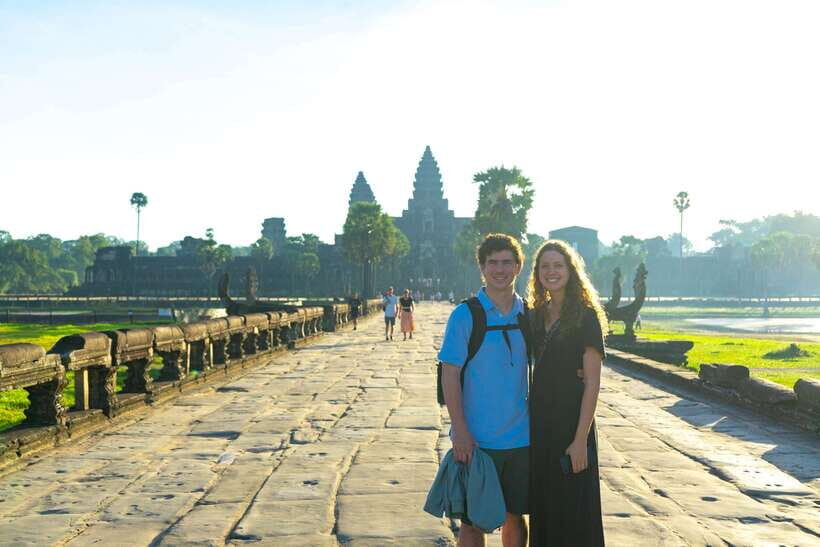
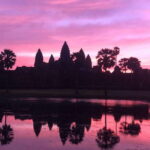
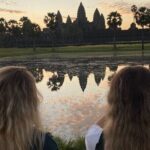
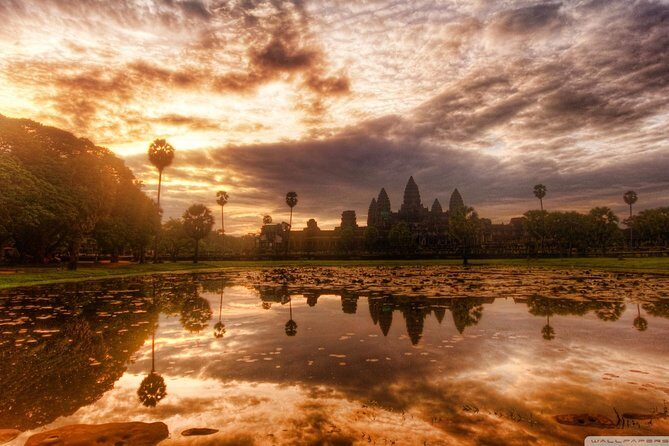
The tour begins at Angkor Wat, with time to climb the main entrance and then watch the sunrise over the temple and its surrounding area. That climb is part of the magic. From higher ground you see more of the temple massing, and your photos come out with better depth and less clutter.
What makes sunrise special here is the combination of scale and timing. Angkor Wat looks impressive in daylight, but sunrise gives the temple a softer look—more mood, less glare, and a more dramatic sense of symmetry. You don’t just arrive to a view; you arrive to a moment that changes every few minutes.
You’ll get about 3 hours at Angkor Wat. That duration is important. It’s long enough to reframe photos as the light shifts, but not so long that you end up feeling numb to the stone. If you are the kind of person who likes multiple camera angles—wide shot, details, faces, reflections—this is the rhythm that works.
Potential drawback: early mornings turn even simple tasks into speed challenges. The tour’s included support (water, towels, guide, private transport) helps, but you still need to be ready to move quickly when it counts.
Bayon at Angkor Thom: 54 towers and 216 faces you can actually spot
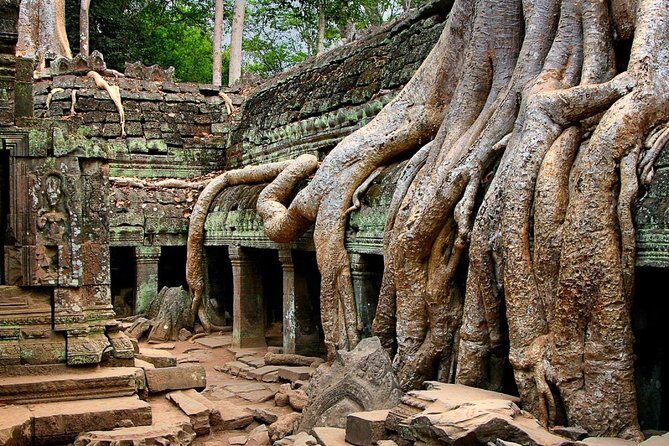
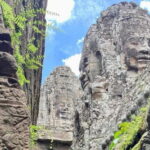
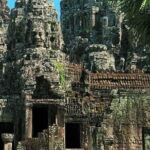
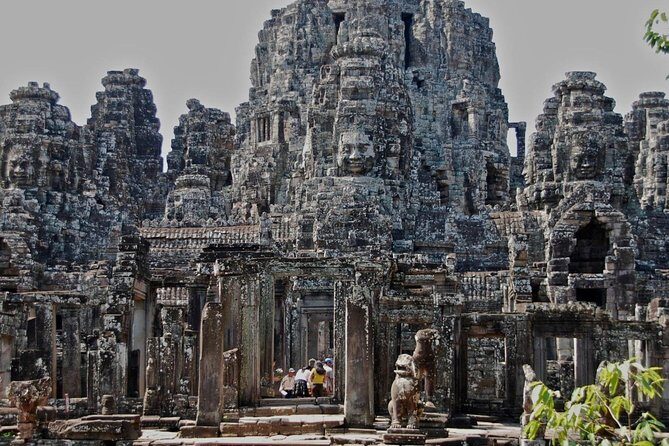
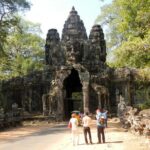
After Angkor Wat, the route moves to Bayon Temple in Angkor Thom. Bayon is famous for its faces, and you get real help focusing your eyes. The tour notes Bayon has 54 towers and 216 faces of Avalokesvara, and the best way to enjoy Bayon is to treat those numbers as a map for your attention.
You’ll spend about 2 hours here. That is a sweet spot: enough time to walk through the main areas, circle viewpoints, and catch the faces from different angles. If you rush, Bayon becomes just “cool carvings.” If you slow just a bit, the faces start to feel like they’re watching you—because you notice how the expressions shift across towers and viewpoints.
This is also where having an English guide pays off. The tour’s descriptions emphasize the temple’s connection to King Jayavaraman VII and the idea that the carvings and layout aren’t random. When you understand who built what and when, Bayon stops being a postcard and becomes an intentional design.
Keep in mind: Bayon is busy during prime hours. Your private setup can help with pacing, but you should still expect some foot-traffic. The trick is to stay flexible: aim for the moments you want most, then move on before the area becomes “photo standstill.”
Ta Prohm with fig-tree roots: where stillness beats speed
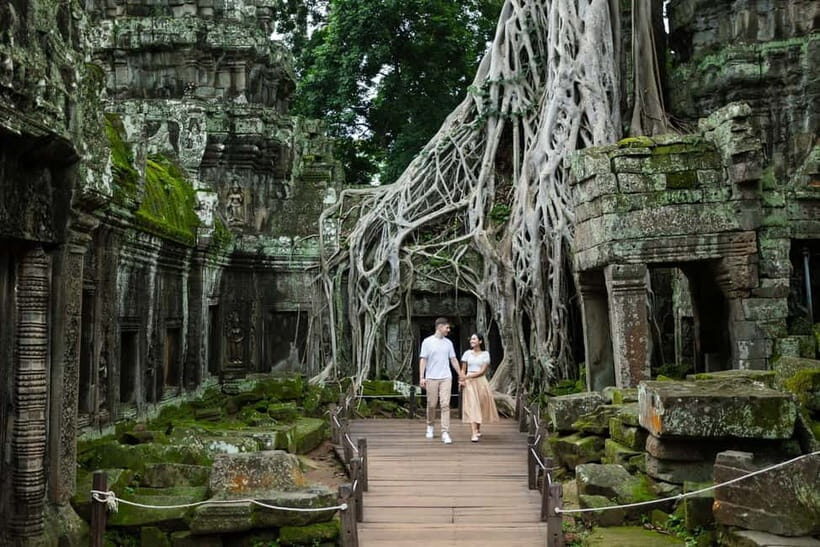
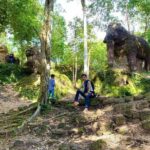
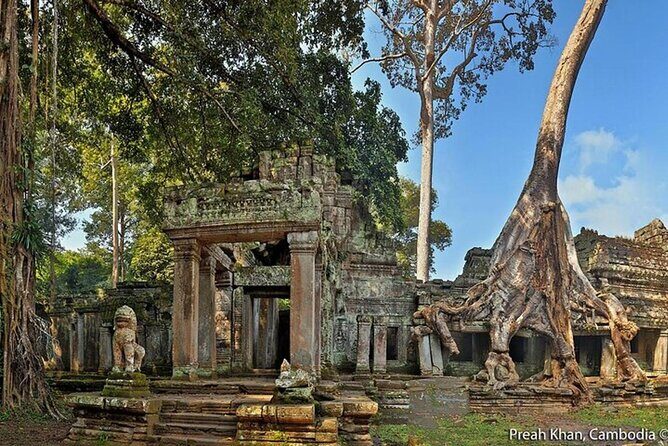
Next comes Ta Prohm, the temple that feels like nature has a claim on the stone. The tour calls out the enormous fig trees and notes that Ta Prohm is left in much the same condition it was found, with the gigantic roots embracing the ruins.
You get about 2 hours at Ta Prohm. That time is great because Ta Prohm is the kind of place where small details matter: root textures, broken edges, frame-like openings where light leaks in. If you try to “check it off” quickly, you’ll miss why people remember it so clearly.
The experience here is less about symmetry and more about feeling the texture of time. Ta Prohm can also be visually busy, especially when the crowd pressure rises. So I like using the included guide time to pick a route. Ask to focus on a few signature compositions first, then wander more freely once your bearings are set.
One consideration: Ta Prohm can get warm fast after the cool sunrise start. That’s exactly why having cold water early in the day helps. You are already ahead, and then you’re not trying to fight dehydration while staring up at roots and scaffolding around carved stone.
You can also read our reviews of more private tours in Siem Reap

Banteay Kdei: the quieter payoff after the big names
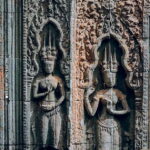
The final featured stop is Banteay Kdei, a monastic complex built in the late 12th to early 13th century. The tour notes it’s largely non-restored, and that it follows a style similar to other major sites in the area.
You spend about 1 hour here, which is the right length for this type of temple stop. By now, you’ve seen the most iconic faces and the most famous tree-root framing. Banteay Kdei gives your eyes a change of pace, and it often feels more relaxed because it doesn’t dominate every visitor’s must-see list the way Angkor Wat and Bayon do.
Because it’s described as largely non-restored, don’t expect everything to look polished or “finished.” Instead, pay attention to the layout and the stonework patterns. A guide can help connect what you’re seeing to the larger Angkor Thom story, so you don’t leave with only a vague sense of ruins.
If you’re the type who loves variety—one place for dramatic sunrise, one place for faces, one place for roots, and one place for a more raw feel—this sequence works. It also keeps the day from turning into nonstop intensity.
Cost and value: what $52 covers, and how to budget tickets and meals
At $52 per person, the price can look like a bargain or a trap depending on your expectations. Here’s the real structure:
Included: air-conditioned private vehicle, an English guide, and practical extras like cold towels and cold water.
Not included: entrance ticket fees, plus meals (breakfast, lunch, dinner).
That means the value of the tour comes from how it handles the expensive part you can’t DIY easily: early timing and transportation comfort. A sunrise visit without stress is mostly about logistics, not just access. With hotel pickup and a private vehicle, you reduce wasted time and you get more usable hours on the temples instead of battling traffic or waiting around.
Since tickets and meals are on your own expense, you’ll want to factor that into your total trip cost. I’d also plan on a light approach for meals because you start early and you might not want a heavy sit-down lunch.
In the guide reviews, what gets praised most is not the vehicle or towels; it’s the sense that the guide paced the day well and took time to explain details and help with photos—without turning it into a rushed sprint. That kind of on-the-ground guidance is where this price can feel very fair, especially if your group is small enough to make private time worth it.
Tips to make the day easier (and your photos better)
You are dealing with early mornings, heat, lots of stone steps, and changing light. The tour already helps with water and towels, so you can focus on the basics that improve your experience.
First, treat sunrise like a photo session with patience. Spend a little time at your first viewpoint, then reposition once the light shifts. You’ll likely get better shots without feeling like you’re constantly chasing the perfect angle.
Second, ask your guide to point out what you should look for at Bayon—since Bayon’s power is in the faces and their placement. With the 54 towers and 216 faces detail in mind, your brain locks onto features faster, and the temple feels more readable.
Third, at Ta Prohm, slow down for the root framing. If you stand too far back the whole time, you miss the textures that make Ta Prohm haunting. If you stand too close the whole time, you might miss the scene composition. A guide can help you find the balance.
Finally, stay flexible about the day’s pace. Even with a private tour, Angkor can be crowded. The best experience comes from following your guide’s lead on when to move and when to pause.
Should you book this Angkor Wat sunrise private tour from Siem Reap?
If you want sunrise at Angkor Wat without the hassle of figuring out timing and transport, this is an easy yes. The combination of 4:30 am pickup, private vehicle comfort, and a guide who helps you see more than just landmarks makes the early start feel justified.
Book it especially if:
- You’re going with a small group and want the day to feel custom
- You care about photos and want time to change viewpoints
- You like guided explanations that connect Bayon and Ta Prohm to the bigger Angkor Thom story
Consider skipping (or switching to a different format) if:
- You dislike very early mornings
- You do not want to pay extra for entrance tickets and meals
- Your priority is only the top two or three icons and you’d rather go faster with fewer stops
For most people who are spending a meaningful amount of time in Siem Reap, this kind of sunrise-focused, private pacing is one of the strongest value ways to do Angkor.
FAQ
What time does the tour start?
The experience starts at 4:30 am.
How long is the Angkor Wat sunrise private experience?
It runs for about 8 hours.
Are entrance tickets included?
No. Entrance ticket fees are not included.
What’s included in the tour price?
You get an air-conditioned vehicle, an English tour guide, and cold towel and cold water.
Are meals included?
No. Meals are not included, including breakfast, lunch, and dinner.
Is this a private tour or a shared group tour?
This is private. Only your group participates.