REVIEW · SIEM REAP
Angkor Wat Sunrise Private Tour by Tuk Tuk
Book on Viator →Operated by Green Era Travel · Bookable on Viator
Sunrise at Angkor Wat starts with a jolt. I like the care you get in the dark hours—cold cloths and cold water after each stop, as shown by driver Sid—and I really value a guide who can explain what you’re seeing in clear English, like Phat. That combo turns a temple visit into a story you can actually follow, not just a photo run.
The route is built for early starts, usually with pickup around 4:30 am for cooler weather and fewer people. One thing to plan for: the Angkor National Park ticket isn’t included, so you’ll want to add about $37 per person to your budget.
In This Review
- Key highlights worth waking up for
- Why 4:30 am Works for Angkor Wat Sunrise
- Angkor Wat at Dawn: Your First 3 Hours in the Dark
- South Gate of Angkor Thom: Where the Khmer City Opens Up
- Bayon Temple and Its Faces: Understanding Before You Wander
- Ta Prohm and the Edges of the Jungle
- Tuk Tuk Comfort, Water Breaks, and a Pace You Control
- Price and Value: What $48.72 Really Buys You
- Who This Tour Fits Best (and Who Might Feel Tired)
- Should You Book This Angkor Wat Sunrise Private Tour with Tuk Tuk?
- FAQ
- What time does the Angkor Wat sunrise tour start?
- How long does the tour last?
- Is hotel pickup and drop-off included?
- What does the tour transportation include?
- Is the Angkor National Park ticket included?
- Do you get an English-speaking guide?
- Is bottled water provided?
- Are meals included?
- Is this a private tour?
- What is the cancellation policy?
Key highlights worth waking up for
- Pre-dawn pickup that gets you to Angkor while the light is still changing
- English-speaking guide who helps you understand what each temple represents
- Tuk tuk transport with hotel pickup and drop-off
- Chilled bottled water (plus extra cooling items during the day)
- Private format so your group sets the pace and your questions don’t get lost
Why 4:30 am Works for Angkor Wat Sunrise
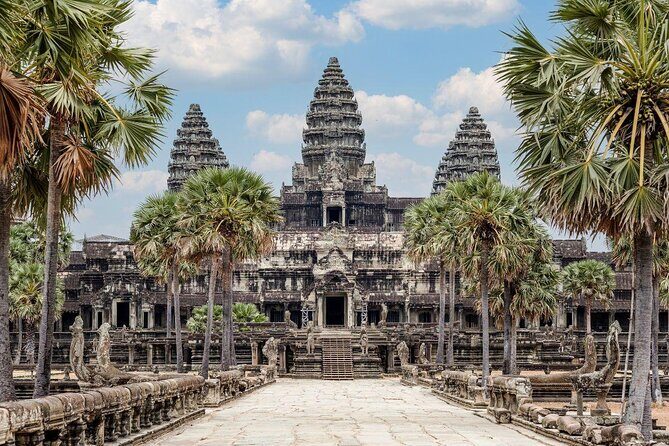
Angkor sunrise is one of those experiences that only makes sense when you do it early. This tour typically starts around 4:30 am, with departures between 4:30 and 4:40 am depending on the season. That means you’re not trying to beat crowds at the last minute—you’re already in the flow of the morning when the sky is still deciding what color to be.
There’s also a very real comfort side to going early. The tour’s promise of cooler temperatures isn’t just a nice idea; it affects how much walking feels tolerable before the sun fully powers up. And since you’re moving through temple areas when many day visitors are still asleep, you can actually stop, look up, and ask questions without feeling like you’re being swept along.
The private setup helps, too. You’re not stuck in a giant shuffle where everyone has to move at the speed of the slowest group. You can pause for that one angle you care about, or step back to reset your bearings.
You can also read our reviews of more private tours in Siem Reap
Angkor Wat at Dawn: Your First 3 Hours in the Dark
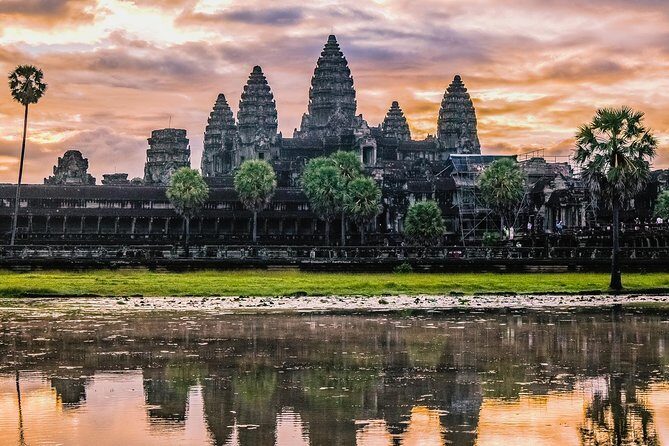
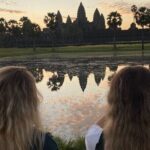
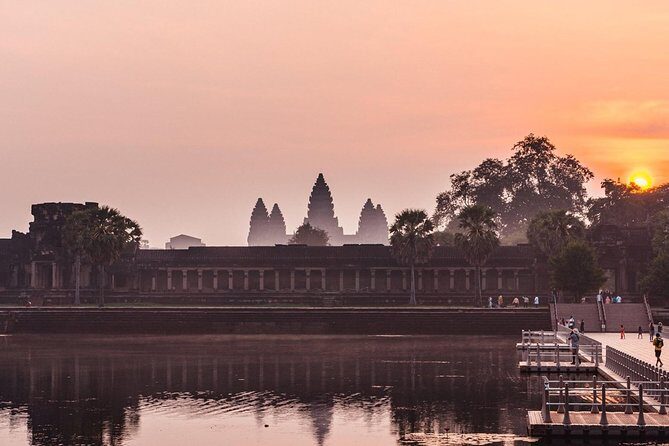
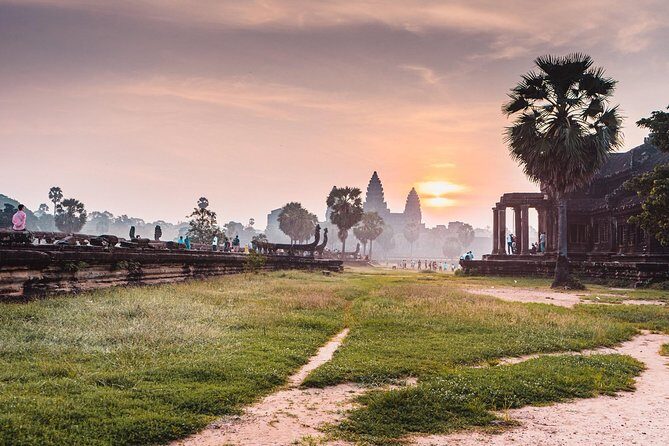
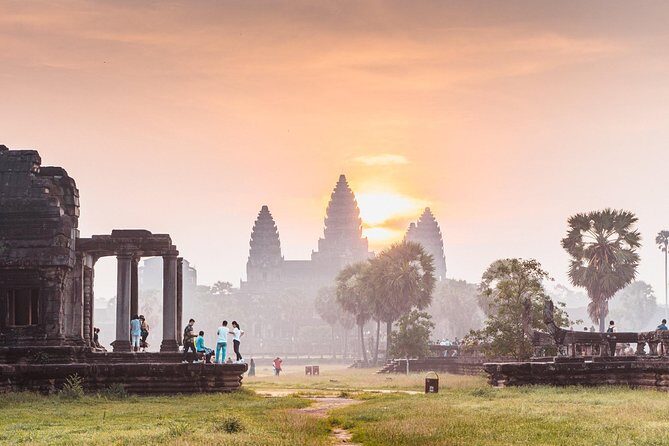
Your day centers on Angkor Wat, and the timing is the whole point. The tour begins with a pre-dawn departure, and you’ll either view sunrise outside the temple area or enter the great temple in the dark, depending on how the schedule lines up for that time of year. Either way, you’re there for the moment when the monument goes from silhouette to detail.
This stop is allotted about 3 hours, which is long enough to do more than rush to the perfect photo. I like that you’re given time to watch the light shift across the towers and carvings, because that’s when Angkor Wat stops looking like a single landmark and starts feeling like a complex built to be experienced in layers.
Practical tip: sunrise can feel cold and dark at first, even when the day later warms up. Bring a light layer you’re comfortable holding onto, and wear shoes you can rely on—this is temple walking, not museum pacing.
Also, note what’s not included here: the Angkor National Park admission ticket. The tour handles the guide and transport, but the park ticket is your responsibility. That means your “real” cost is a bit higher than the tour price alone, but it also gives you a clear sense of what you’re paying for: time with a guide and a tuk tuk plan, plus your paid access into the site.
South Gate of Angkor Thom: Where the Khmer City Opens Up
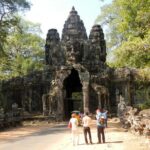
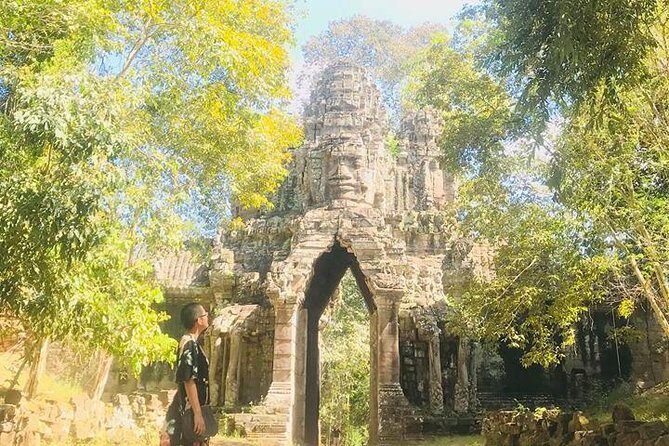
After Angkor Wat, the tour shifts to Angkor Thom and specifically the South Gate. You’ll spend about 1 hour here, which makes sense: gates are a kind of orientation. They tell you where you are in the old city layout, and they set the mood—bigger than a doorway, more like a threshold into an entire world.
Angkor Thom is described as the capital city of the Khmer empire, built at the end of the 12th century. The tour framing matters here. When you understand that these structures weren’t built for tourists, but for Khmer rulers and religious life, the stonework reads differently. Instead of just patterns, you start noticing the design logic.
The South Gate area is also a good place to reset your expectations before the next temples. It’s an in-between stop that helps you go from awe to comprehension. If you’ve ever felt like Angkor becomes one long blur of stones, this hour helps break the morning into clear chapters.
One consideration: one hour is also short, so come with a calm mindset. If you want deeper exploration of carvings and stairways, you’ll likely need to spend longer than the tour allows.
Bayon Temple and Its Faces: Understanding Before You Wander
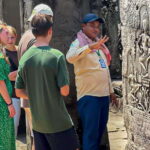
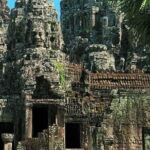
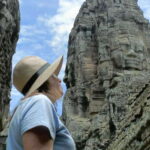
Next up is Bayon Temple, another stop with about 1 hour. Bayon is famous for its many stone faces, but the tour’s best value is how it frames what those faces mean. Bayon is described as the state temple of the Mahayana Buddhist King Jayavarman VII, built in the late 12th or early 13th century. When the guide connects that to the temple’s layout, it stops being just a visual gimmick and becomes a statement of power and devotion.
I especially like the way this fits into a sunrise-and-morning format. Your brain is sharper early. You’re not tired yet, so you can actually follow the guide’s explanations while you walk. The faces can feel repetitive if you only look at them as icons. With commentary, you start noticing how the expressions and placement create rhythm across the temple.
If you’re the kind of traveler who hates reading plaques but loves real-time explanation, this is your sweet spot. You’ll get commentary as you move through the area, and you’ll have time to ask questions instead of racing to the next room.
Ta Prohm and the Edges of the Jungle
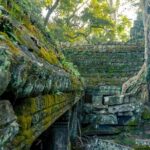
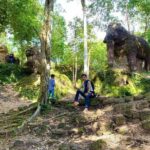
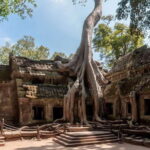
Ta Prohm comes next, with about 1 hour set aside. This temple is often described as a state of ruin that still feels beautiful, and it’s easy to see why. Ta Prohm is the kind of place where the stone and the surrounding growth look like they’re negotiating for control.
What makes this stop work well on a private sunrise tour is that you’re not arriving at peak midday heat and peak day-visitor energy. Early timing matters here because ruined temples can feel harsher when the sun is high. In the cooler morning light, you’re more likely to slow down and look at how the roots and doorways create frames within the larger scene.
One note: ruins invite lots of photos, but you shouldn’t let that take over. If you spend too long on your camera, you miss the “why does this feel alive?” part. Give yourself a few moments of no-phone looking, then go back to pictures once you understand what you’re seeing.
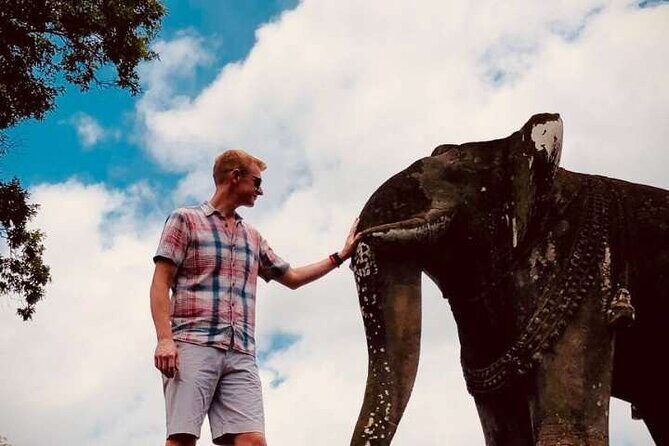
Also, the overview highlights the Terrace of the Elephants and the Terrace of the Leper King as part of the experience. Those terraces tend to be where detailed reliefs and story-like carvings reward careful looking. On a morning route, you’ll likely move through them efficiently, so if those are your top priorities, treat this as a guided orientation first and save any heavy carving study for a second visit later.
A few more Siem Reap tours and experiences worth a look
Tuk Tuk Comfort, Water Breaks, and a Pace You Control
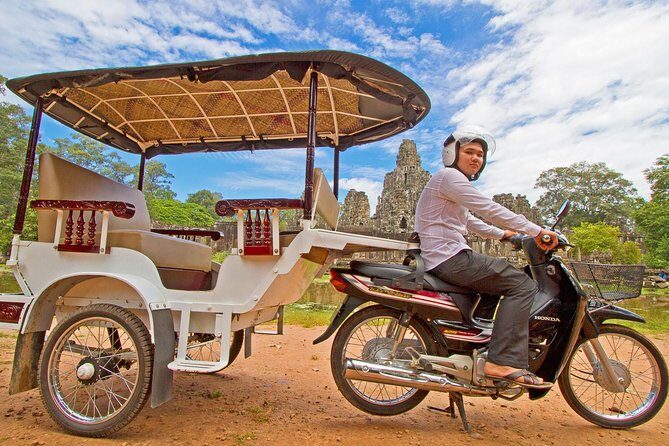
The transport is tuk tuk, which is the practical choice for this area. You’re covering a lot of temple ground without the fatigue of constant long walks between sites. Hotel pickup and drop-off are included, so you don’t spend your morning figuring out routes or meeting points in the dark.
Comfort details matter more than you think on a sunrise tour. You’ll have chilled bottled water during the trip, and in the experience notes there’s also mention of drivers providing cold cloths and cold water after each stop. That kind of quick cooling makes the day feel manageable instead of exhausting.
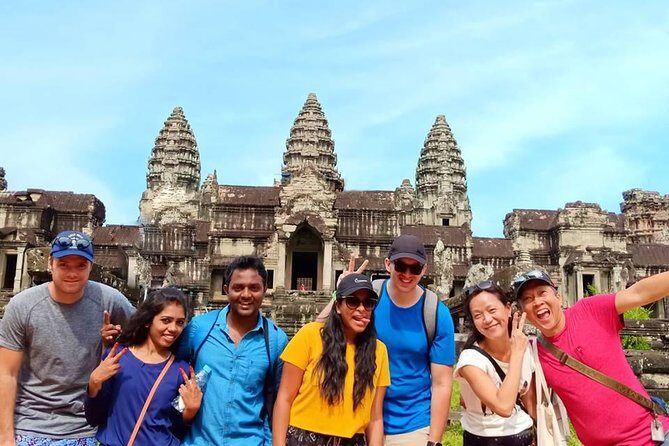
Because it’s a private tour, only your group participates. That’s a big deal at Angkor when crowds can turn movement into a chore. A private format gives you room to ask, to pause, and to adjust the pace if the morning feels intense.
Fitness-wise, the tour asks for moderate physical fitness. That’s a fair heads-up. Expect walking on temple grounds, uneven surfaces, and stairs depending on where you go and what you choose to climb.
Price and Value: What $48.72 Really Buys You
The tour price is $48.72 per person, and on average it’s booked about 35 days in advance. That timing tells me demand is real, especially for sunrise slots where guides and drivers can’t just swap you in later.
At face value, the $48.72 includes what you need to make the morning work: hotel pickup and drop-off by tuk tuk, an experienced English-speaking guide, transport, and chilled bottled water. In other words, you’re paying for coordination, an interpretation layer, and a practical ride plan that gets you from site to site early.
But here’s the cost math you should do before you commit: the Angkor National Park ticket is $37 per person and isn’t included. So your approximate total is closer to $85.72 per person once you add the park access fee, assuming the ticket price stays the same.
That doesn’t make the tour overpriced. It clarifies the value. The tour price buys the morning logistics and guidance, while the park ticket buys the right to enter the sites. If you were to do this on your own, you’d still need transport, a sunrise plan, and a way to understand what you’re walking through—those are exactly the things this tour supplies.
What’s not included is also important: food and drinks aren’t included unless specified, and travel insurance isn’t covered. If you want breakfast after sunrise, plan for it separately.
Who This Tour Fits Best (and Who Might Feel Tired)
This tour is ideal for you if you want a guided Angkor morning without the stress of planning. If you care about explanations—why Bayon looks the way it does, what Jayavarman VII was doing, how Angkor Thom’s layout fits together—this guide-led format pays off fast.
It’s also a strong fit if you’re visiting for the first time and want the big names in one efficient route. The combination of Angkor Wat, Angkor Thom South Gate, Bayon, and Ta Prohm hits the core highlights people come for, while sunrise timing helps keep the experience from turning into a crowded stampede.
I’d think twice if you hate early starts. The pickup is around 4:30 am, and the whole thing runs about 6 to 7 hours. That’s a long day for a morning tour, and your energy will matter. Also, if you’re expecting meals to be part of the price, you’ll need to eat on your own.
Finally, if your style is ultra-slow temple wandering with long independent breaks, a tour schedule may feel a bit structured. On the other hand, the private format gives you more flexibility than a group bus tour.
Should You Book This Angkor Wat Sunrise Private Tour with Tuk Tuk?
If you want Angkor Wat sunrise done the easy way—with an English guide, hotel pickup, and a private tuk tuk plan—this is a good booking. The value is strongest when you care about context, not just landmarks, and when you’re comfortable getting up early to enjoy cooler temperatures and fewer crowds.
I’d book it if these are your priorities:
- You want the main temples covered in a focused morning
- You want commentary as you walk, not a self-guided guess game
- You like the idea of a comfortable tuk tuk ride plus water during the day
I’d pass or consider a different format if:
- You’re not willing to pay the added $37 park ticket
- You feel miserable with 4:30 am starts
- You need guaranteed meals during the 6–7 hours
FAQ
What time does the Angkor Wat sunrise tour start?
The tour start time is around 4:30 am.
How long does the tour last?
The duration is about 6 to 7 hours.
Is hotel pickup and drop-off included?
Yes, hotel pickup and drop-off are included by tuk tuk.
What does the tour transportation include?
You ride by tuk tuk during the tour.
Is the Angkor National Park ticket included?
No. The Angkor National Park ticket is 37 US$ per person and is not included.
Do you get an English-speaking guide?
Yes. The tour includes an experienced English-speaking guide.
Is bottled water provided?
Yes, chilled bottled water is included during the tour.
Are meals included?
No, food and drinks are not included unless specified.
Is this a private tour?
Yes. It’s a private tour/activity, and only your group participates.
What is the cancellation policy?
Free cancellation is available up to 24 hours in advance for a full refund.