REVIEW · SIEM REAP
Kulen Mountain: Full-Day Private Waterfall Tour
Book on GetYourGuide →Operated by Angkor T.K. Travel & Tours · Bookable on GetYourGuide
Kulen is one of those day trips that feels like a whole story in one loop. You’ll start with Phnom Kulen National Park and its cooling waterfalls, then shift to the strange, ancient art of the River of 1000 Lingas. The day finishes high on the hill with a big Buddhist reclining statue, plus views that make the climb feel worth it.
There’s a lot packed in for a short trip, and the pacing works because the stops are clear and visual. The main consideration is that guide quality can change the feel of the tour: if you get a guide who is quiet or doesn’t explain much, you may end up doing more asking than you planned.
In This Review
- Key Things I’d Prioritize on This Tour
- Morning Drive to Phnom Kulen: Rice Fields to the Rocky Road
- Phnom Kulen National Park and the Sacred Sandstone Story
- River of 1000 Lingas: Hindu Trinity and a Carved Riverbed
- Reclining Buddha and Pagoda Views From the Summit
- Kulen Waterfalls and Swim Stops: Cooling Off Without Rushing
- Price and What You’ll Pay on Top of the Base Tour Cost
- Guide Quality: How to Make Sure You Get Explanations, Not Just Movement
- Who This Private Kulen Tour Is Best For
- Should You Book This Kulen Mountain Waterfall Tour?
- FAQ
- How long is the Kulen Mountain full-day private waterfall tour?
- What’s included in the tour price?
- Where does the tour start?
- What are the main stops during the tour?
- Are the entrance fees included?
- Is lunch included?
- Is an Angkor Temple Pass required?
- Can I choose whether to visit Banteay Srei?
- How much does the tour cost?
- What is the cancellation policy?
Key Things I’d Prioritize on This Tour
- Waterfall time with two swim pauses to cool off, not just look from the path
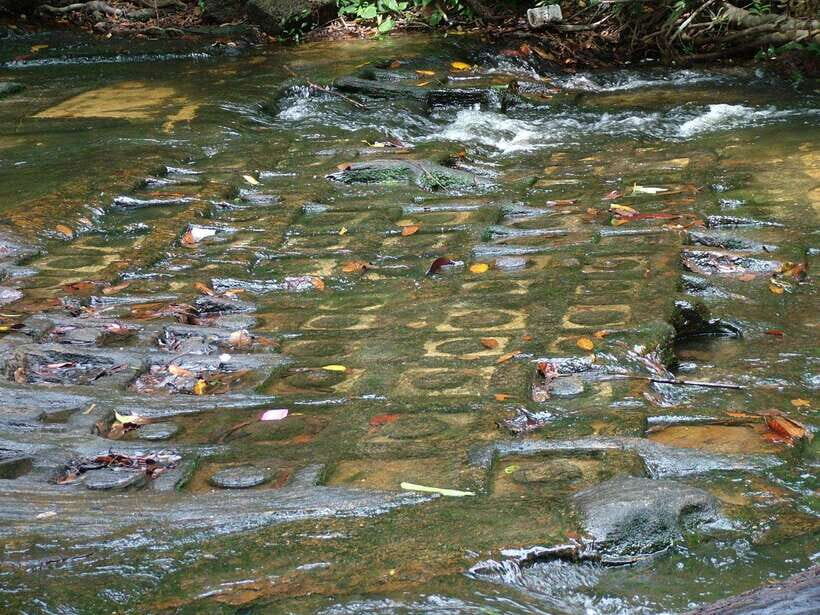
- River of 1000 Lingas with carved figures along a riverbed and Hindu trinity layout in three ports
- Top-of-mountain payoff: Buddhist pagoda area plus the large Reclining Buddha
- Phnom Kulen’s sacred role in Khmer history, including sandstone brought down for Angkor-era temples
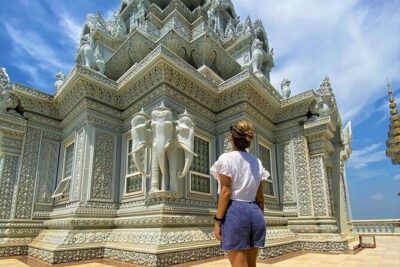
- Optional Banteay Srei stop if you want more red-sandstone temple time (requires an Angkor pass)
Morning Drive to Phnom Kulen: Rice Fields to the Rocky Road
Your day starts with pickup from your hotel lobby, then a morning drive out of Siem Reap toward Phnom Kulen National Park. The early part of the route has that classic Cambodian look: wide open rice fields, scattered villages, and traditional houses set back from the road. It’s not just transit. I like the way this ride gently changes the mood—from temple-dense Siem Reap to something calmer, more rural.
Then the road turns rocky and more winding as you approach the mountain. That’s your first clue that the day will involve real elevation, not just flat sightseeing. If your legs get cranky easily, pace yourself at the later stops. Wear shoes with good grip—Kulen can be slick when wet, and you’ll likely be climbing in and around temple areas and viewpoints.
You’ll also feel the temperature shift. Even before you reach the waterfalls, the mountain air tends to feel fresher than the lowlands. Add that to the fact that the tour includes a refreshment drink and a cold towel, and the morning doesn’t feel like one long sweat-fest.
You can also read our reviews of more private tours in Siem Reap
Phnom Kulen National Park and the Sacred Sandstone Story
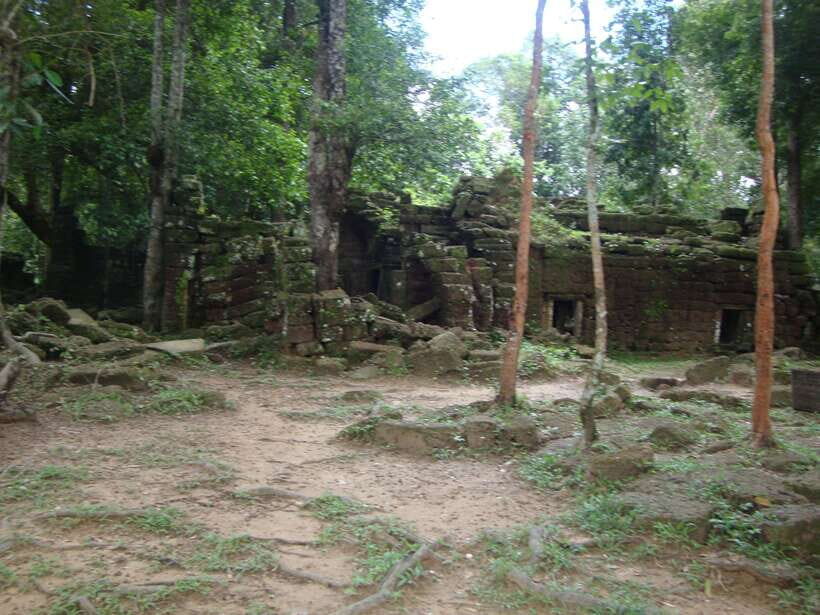
Phnom Kulen is widely treated as Cambodia’s most sacred mountain by Khmer people, and that idea matters once you’re there. The site isn’t presented like a random pile of rocks. It’s framed as a spiritual and historical source point for a major chapter of Khmer civilization.
One of the most interesting connections: during the construction of ancient temples, sandstone was brought down from this mountain to Angkor. That means Kulen isn’t just a place you visit for scenery. It’s also tied to where the material for famous temples came from. When you understand that link, the stone and sites around you start to feel more intentional—like you’re standing near an origin, not an isolated attraction.
Inside Phnom Kulen National Park, your time is built around the key sites that visitors come for. The park setting also helps explain why the day has a nature side and a sacred-heritage side. You’re going to move from symbolic carvings to religious statues and, later, to water that cools you off when the heat rises again.
A practical note: since the day is only about six hours total, there’s little room for wandering far off schedule. You’ll get the best experience if you treat the guide’s walking path as the “main line,” then ask questions at each stop. If you wait until the last waterfall to ask about meaning and history, it’s easy to feel like you missed the deeper context.
River of 1000 Lingas: Hindu Trinity and a Carved Riverbed
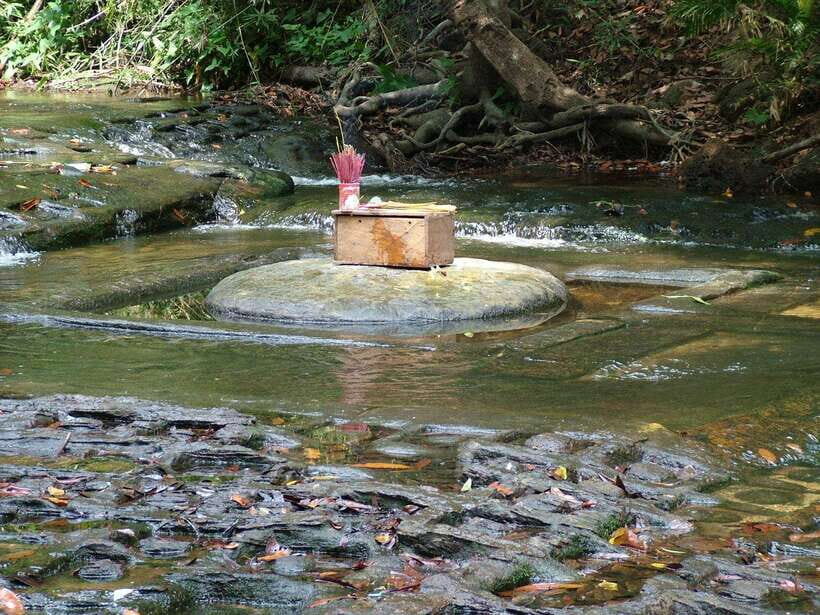
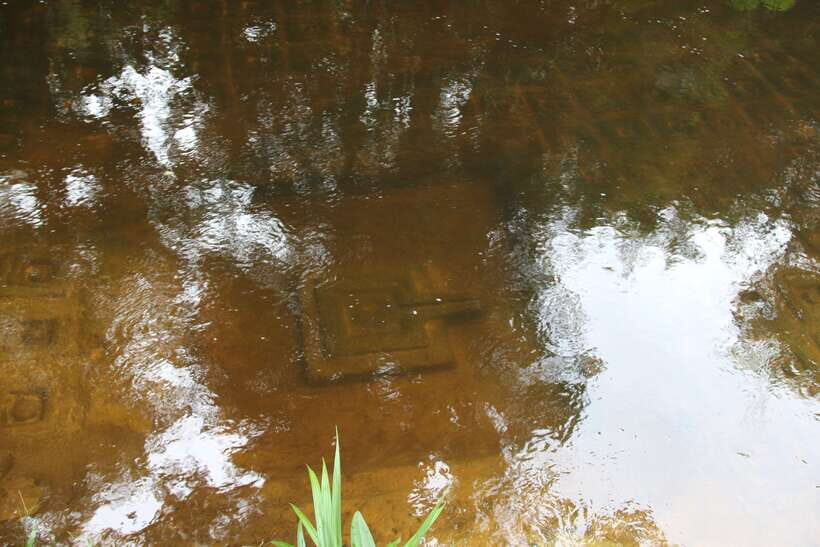
The River of 1000 Lingas is the kind of stop that makes you slow down. You’re looking at thousands of carvings—ancient symbols carved into the riverbed. They’re not all the same view, either. You’ll notice the carvings spread along the waterline and the overall layout feels designed, not random.
This section also has an organized religious logic. It’s divided into three ports associated with the Hindu trinity gods. Even if you don’t know Hindu iconography offhand, the important thing is how the site is structured: someone built this to be read as a whole. You’re not just seeing decorative marks. You’re seeing an arrangement with meaning.
I really like this stop because it’s visual and tactile in your mind. You can stand where the carvings are close, look at details, and then scan outward along the riverbed to see how the carvings repeat in different ways. That “pattern recognition” is satisfying. It’s also a great contrast after the long drive: instead of chasing views, you’re studying a surface filled with symbols.
Downside: the riverbed area can be busy depending on when you go, and crowds make close-up viewing harder. If you want time to really examine the carvings, aim to stay focused and let your guide set your rhythm rather than drifting into photo-only mode. Also, keep an eye on your footing. This is a place tied to water, and wet stone means traction matters.
Reclining Buddha and Pagoda Views From the Summit
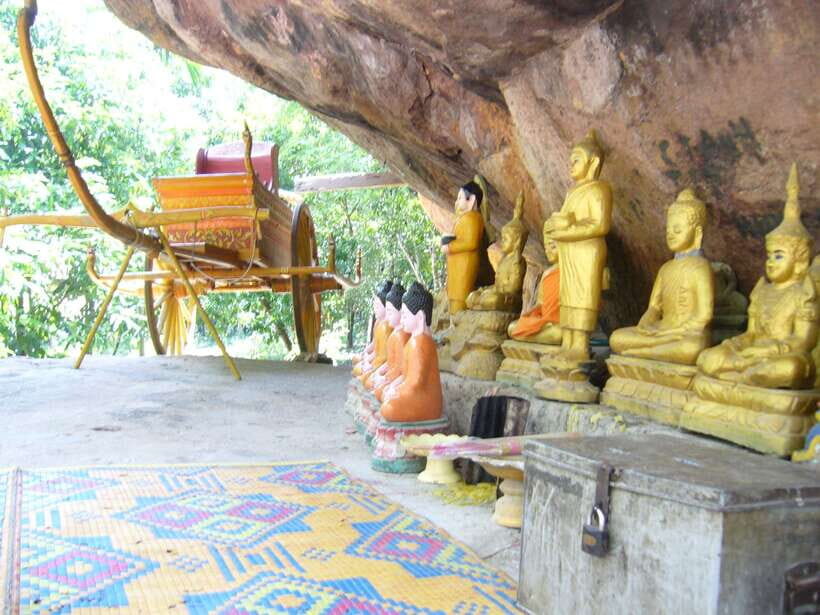
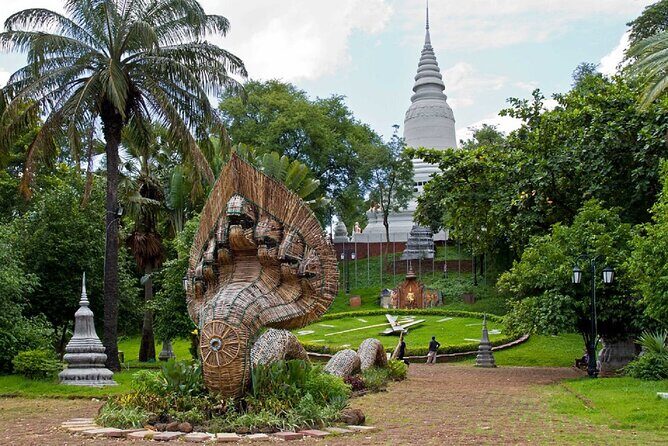
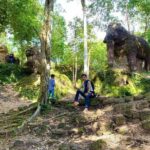
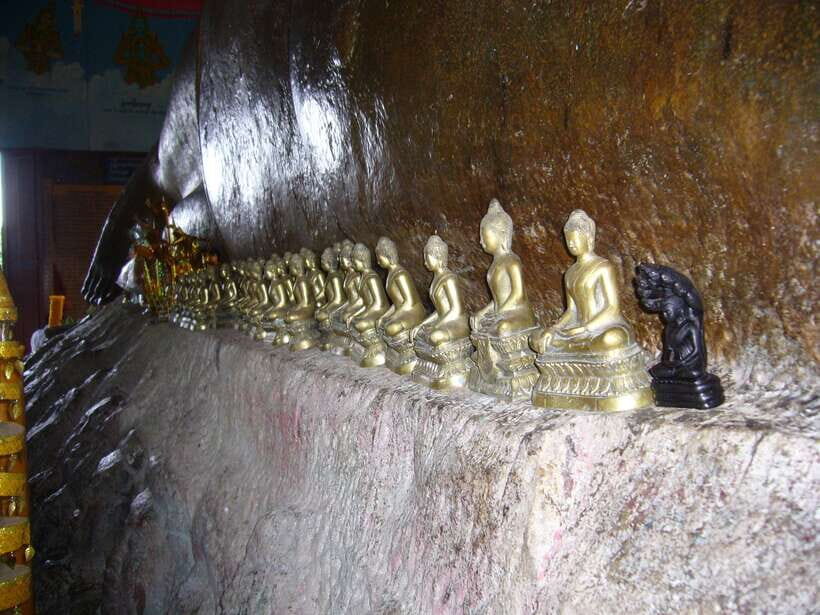
After the river carvings, the tour climbs to the hilltop area where you can see a Buddhist pagoda and a large Reclining Buddha statue. This shift is part of why the day works: you move from a Hindu-symbol site to a Buddhist monument within the same sacred landscape.
From the summit, the views help you understand why this is a spiritual staging point. Even if you’re not chasing panoramas, you’ll feel the sense of being above the surrounding area. It changes the atmosphere. The earlier part of the trip is about exploration through detail; the summit is about presence—standing close to a major religious figure and taking in the hilltop setting.
The reclining Buddha is a big visual anchor. I recommend giving yourself a few minutes to notice proportions and placement, not just snap one quick photo and move on. A longer look usually makes the statue feel more impressive. And if you’re the type who likes to understand what you’re seeing, ask your guide how the hilltop area connects to the mountain’s sacred role. Some guides explain well; some are more minimal. Either way, early questions get better answers.
One practical tip: the climb is part of the experience, but your schedule is tight. You don’t want to burn energy wrestling with props—so plan to conserve effort here for later waterfall time when you might be walking on uneven paths again.
Kulen Waterfalls and Swim Stops: Cooling Off Without Rushing
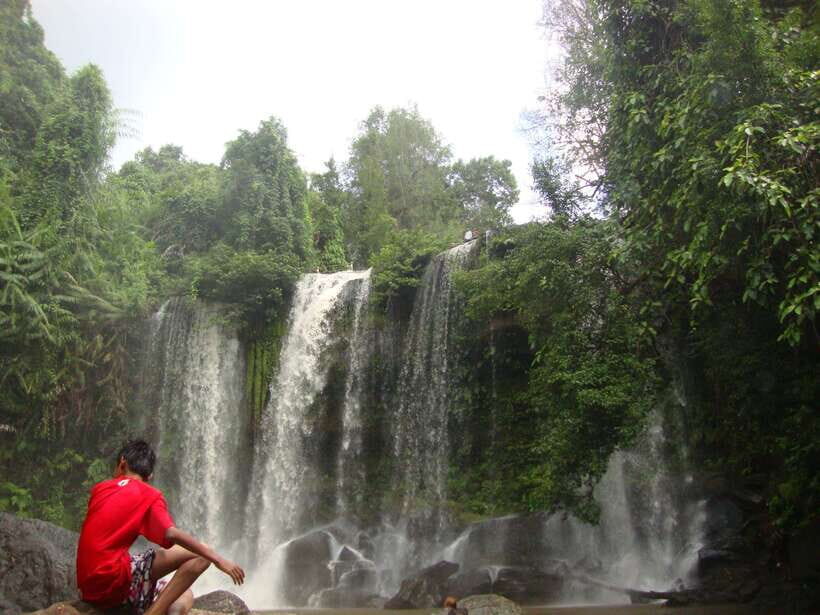
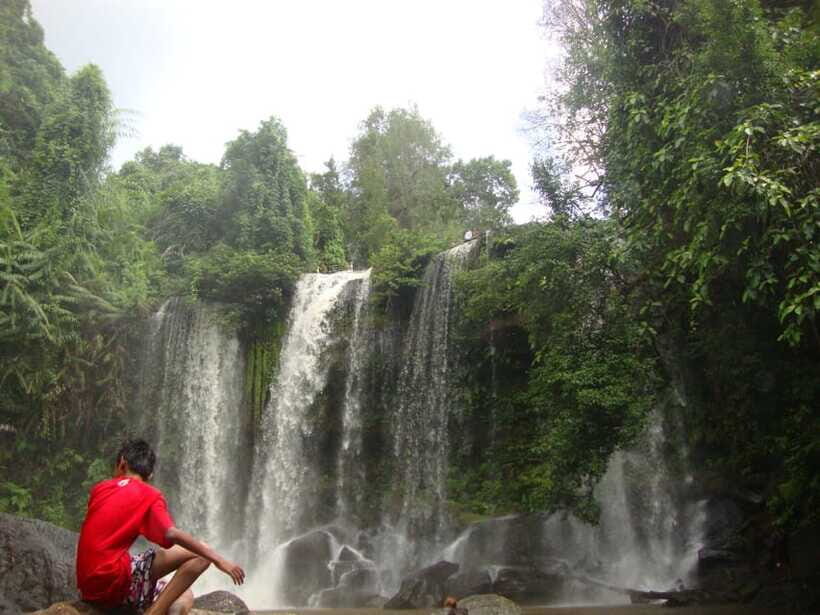
Now for the part most people came for: Kulen waterfalls. The tour builds in pauses at two beautiful spots, with time for a swim if you want one. This is the best kind of nature stop on a day trip: it’s not just scenic. It’s interactive, and it gives you a reason to slow down.
Two waterfall swim pauses also help with energy management. If one spot feels crowded or the water is busy, you still have another chance to enjoy the calmer stretch of the day. And since the tour is only about six hours total, having the stops built in means you’re not hunting for the best time to escape the heat.
What I like here is that the waterfall time fits the day’s theme. Kulen isn’t only stone and religion. It’s also water shaped into a natural cooling station. After the river carvings and temple areas, the waterfalls feel like a reset button.
What to watch for: swimming is optional, but the environment is real. Water shoes or sandals with grip can help if you plan to enter the water. If you’re not swimming, you’ll still want comfortable shoes because you’ll move along paths that can be slick.
Lunch isn’t included. If you’re hungry, use the waterfall breaks wisely. You may have a chance for a quick meal during a stop, but don’t count on a full sit-down lunch at the end. Bring simple snacks if you’re the type who gets cranky when your stomach starts negotiating.
At around 2:00 PM, the tour wraps up and you’ll head back to your hotel. That timing is good for a relaxed afternoon in Siem Reap. It also means you won’t accidentally lose your whole day to traffic and delays.
A few more Siem Reap tours and experiences worth a look
Price and What You’ll Pay on Top of the Base Tour Cost
The tour price is $175 per group for up to 2 people, for a total duration of about 6 hours. That’s a private setup, so you’re essentially paying for comfort and flexibility: private transport, an English-speaking guide, and pickup from your hotel lobby.
Here’s the value math, in plain terms:
- Base tour: $175 per group up to 2
- Kulen entrance fee: $20 per person (not included)
- Optional Banteay Srei: requires an Angkor day pass at about $37 per person (not included)
So if you go as two people and do only Kulen (no Banteay Srei), you’re looking at roughly:
- $87.50 per person for the tour + $20 Kulen entry
That’s about $107.50 per person, before food or personal expenses.
If you add Banteay Srei, add about $37 per person for the Angkor pass:
- Roughly $144.50 per person total, again excluding lunch and personal spending.
Is it worth it? For me, it depends on what you want from the day:
- If you value a guided, structured run through sacred sites and want the convenience of private pickup and transport, the pricing makes sense. You’re paying for time and reduced hassle.
- If you’re mainly looking for waterfalls and you’re happy to handle transport and site logistics yourself, a private tour may feel more expensive than you need.
Also remember what’s included: private transportation, an English-speaking guide, a refreshment drink, and a cold towel. Those small comforts matter on a hot day with road time and walking.
Guide Quality: How to Make Sure You Get Explanations, Not Just Movement
This tour lives and dies by the guide experience. The good version is smooth: the guide explains what you’re seeing at Phnom Kulen, helps you understand the River of 1000 Lingas layout, and connects the reclining Buddha area to the mountain’s sacred significance. The less satisfying version is when the guide stays quiet, moves you along fast, or focuses more on personal breaks than on answering your questions.
So here’s how you protect yourself:
- Ask one history question at the first major stop, then use the answer as your thread through the day.
- If you want the symbolism explained at the river carvings, say that early.
- If pacing feels rushed, you can request a slower look. You’re in a private group—use that power.
I also recommend showing up ready to observe. Even with a great guide, you’ll enjoy the river and waterfalls more if you don’t treat everything as a quick photo sprint.
Who This Private Kulen Tour Is Best For
This is a good fit if you:
- Want a full-day-feeling experience but only have about six hours
- Like sacred sites and symbolism, not just scenery
- Want a realistic chance to swim at the waterfalls
- Prefer private transport and pickup rather than joining a larger bus group
It may be less ideal if:
- You hate hills or uneven walking and you’re expecting mostly flat temple paths
- You want long lunch breaks or lots of free time to wander on your own
- You’re very guide-dependent and need deep explanations at every stop—then you should be proactive with questions
One more reality check: Kulen can attract crowds, especially on weekends. If you dislike busy environments, your best strategy is to commit to the tour’s timing and don’t drift too slowly between viewpoints.
Should You Book This Kulen Mountain Waterfall Tour?
Book it if you want one focused day that combines nature cooling, carved sacred symbolism, and a dramatic hilltop religious moment—without dealing with transport stress. The value is strongest for couples because the base price covers private transport and a guide for up to two people, and the included refreshments help on a hot schedule.
Skip it or adjust expectations if you’re expecting a long, relaxed day with lots of downtime, or if you’re the kind of traveler who needs a very chatty, detailed lecturer-style guide. In that case, do a quick check-in early in the day: ask what you’ll learn at the river and at the reclining Buddha. If the answers feel thin, push for more context right away.
Overall, this is the kind of trip that makes sense when you want Kulen to feel like a complete visit—not just a photo stop. And when the waterfall time hits, that cooling swim break turns the whole story from ancient and symbolic into something you actually feel in your day.
FAQ
How long is the Kulen Mountain full-day private waterfall tour?
The duration is about 6 hours.
What’s included in the tour price?
Included items are private transportation, an English-speaking guide, and a refreshment drink plus a cold towel.
Where does the tour start?
Pickup is included from your hotel lobby in Siem Reap.
What are the main stops during the tour?
You’ll visit Phnom Kulen National Park, the River of 1000 Lingas, and the top of the hill for the Buddhist pagoda and reclining Buddha. You’ll also go to Kulen waterfalls with time to swim at two spots.
Are the entrance fees included?
No. The Kulen entrance fee is $20 per person and is not included.
Is lunch included?
No. Lunch is not included.
Is an Angkor Temple Pass required?
Yes, if you choose to stop at Banteay Srei. A valid Angkor day pass is required, costing around $37 per person.
Can I choose whether to visit Banteay Srei?
Yes. There’s an optional stop at Banteay Srei, known as the Women’s Citadel.
How much does the tour cost?
It’s $175 per group up to 2 people.
What is the cancellation policy?
Free cancellation is available up to 24 hours in advance for a full refund.