REVIEW · SIEM REAP
Preah Khan, Neak Pean and Pre-Rup Private Tour
Book on Viator →Operated by Journey2 Angkor · Bookable on Viator
Six temples, one smooth afternoon.
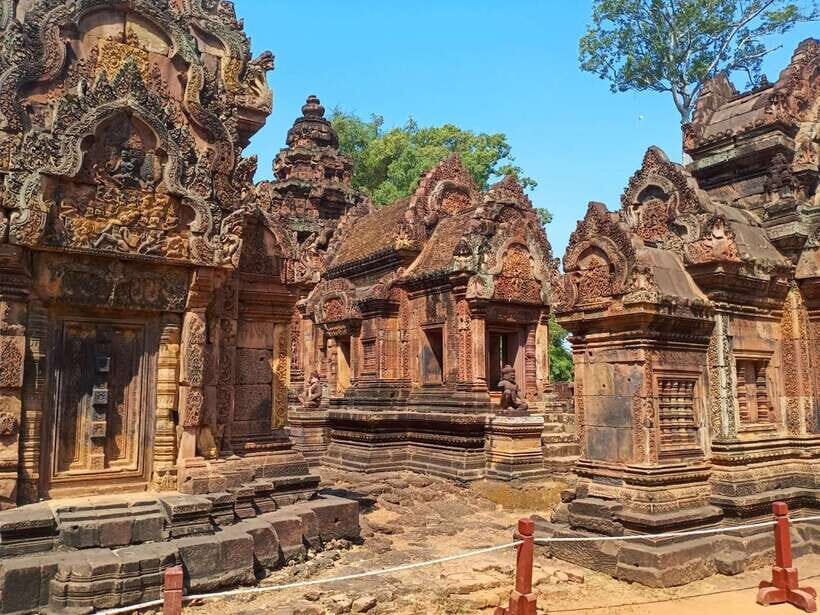
This private circuit is a great way to see the temple complex of Preah Khan plus quieter, water-and-jungle spots like Neak Pean and Ta Som. You’ll also hit East Mebon, Srah Srang, and Pre Rup, all while a guide ties it together with the big-picture story of Khmer kings and how the landscape shaped worship.
I especially like the 4 to 5 hour pace. It feels focused without turning into an all-day slog. I also like that you get an English-speaking guide and a private air-conditioned vehicle with bottled water, so you can concentrate on what you came for.
One thing to plan for: the Preah Khan entrance fee is not included (it’s $37 per person). Budget for that, and you’ll have a much less stressful day.
In This Review
- Key highlights at a glance
- Why this route is perfect for a second Angkor day
- Preah Khan: the UNESCO-listed complex that sets the tone
- Neak Pean: serpents, water, and an island inside the reservoir
- Ta Som (and the forest mood): short stop, big atmosphere
- East Mebon: a 10th-century island temple tied to the East Baray
- Srah Srang: the reservoir you can actually feel the history in
- Pre Rup: the temple-mountain finish that makes sense of the day
- Private transport, bottled water, and a guide who keeps it moving
- Price and value: $41 plus the Preah Khan ticket
- Timing, comfort, and what to wear
- Who this tour suits best
- Should you book this Preah Khan, Neak Pean and Pre-Rup private tour?
- FAQ
- How long is the Preah Khan, Neak Pean and Pre-Rup private tour?
- Which stops are included in the tour?
- Is hotel pickup and drop-off included?
- Do I need to pay entrance fees?
- Is this tour private?
- What language is the guide?
- Do they provide transportation and water?
- What is the cancellation policy?
Key highlights at a glance
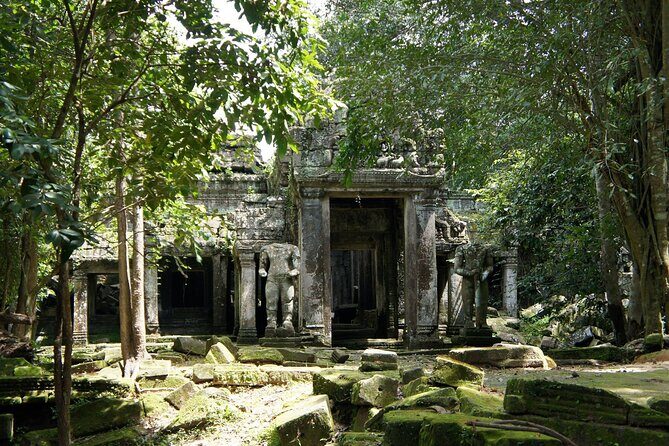
- Preah Khan as your anchor stop at a massive 12th-century complex tied to Jayavarman VII
- Neak Pean’s reservoir setting on an artificial island, famous for its serpent symbolism
- Ta Som’s forest feel next door, with a shorter stop that still delivers atmosphere
- East Mebon’s island temple tied to the now-dry East Baray reservoir
- Srah Srang’s water history from the mid-10th century and later Jayavarman VII updates
- Pre Rup’s temple-mountain design made with brick, laterite, and sandstone
Why this route is perfect for a second Angkor day
If you already did Angkor Wat and want something different, this is a smart follow-up. The stops here sit outside the most famous core crowds, yet they still feel deeply connected to the same Khmer world—kings, temple-building programs, and sacred water.
You’re not just hopping between ruins. The order matters. You start with Preah Khan, then move through water-linked temples and reservoir landscapes, before finishing at Pre Rup, which gives you a classic “temple mountain” payoff.
And because it’s private, you’re not stuck waiting on other groups. Your guide can also keep the day moving at a tempo that works for your comfort level.
You can also read our reviews of more private tours in Siem Reap


Preah Khan: the UNESCO-listed complex that sets the tone
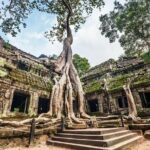
Preah Khan (Royal Sword) is the centerpiece. Built in the 12th century by King Jayavarman VII to honor his father, it’s designed in that signature Angkor style of layered spaces and temple enclosures.
What I like about starting here is that it’s a big “read.” Your guide can explain how the temple’s layout reflects a worldview: sacred space is built in stages, and movement through those stages is part of the meaning.
You should also know the practical side. Entrance is not included, and the ticket is listed at $37 per person. If you’re watching costs, this is the one line item you can’t ignore. If you’re okay paying for the big-name temple, then the rest of the day is refreshingly inexpensive—several other stops have admission listed as free.
If you have energy for just one stop to feel more complete and less rushed, make it Preah Khan. It’s the one where time spent usually translates into better understanding.
Neak Pean: serpents, water, and an island inside the reservoir
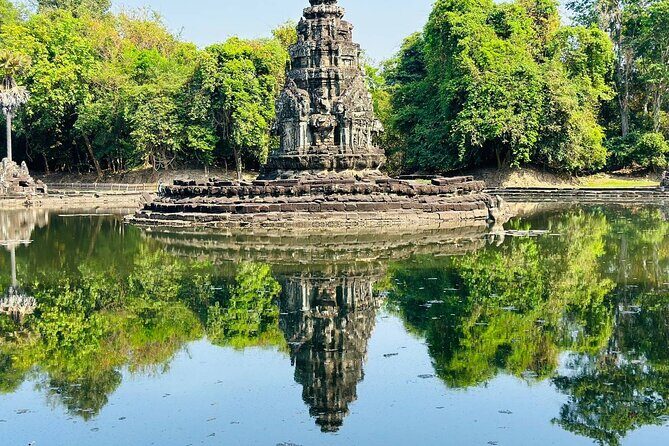
Next comes Neak Pean, known for its entwined-serpent symbolism. The temple sits on an artificial island in the middle of a reservoir associated with Preah Khan.
This stop is fascinating because it’s not just “temple ruins in the open.” It’s a temple built around water engineering and sacred bathing ideas. The reservoir setting makes the place feel like it has a physical logic, not just a spiritual one.
Neak Pean is listed as free admission, and the stop time is about 1 hour. That’s enough to walk the area, orient yourself, and absorb the layout without feeling like you’re spending half your day in a single spot.
A practical tip: this kind of setting can be exposed. Bring a hat and use the bottled water you’re provided—your comfort matters when the sun starts doing its thing.
Ta Som (and the forest mood): short stop, big atmosphere
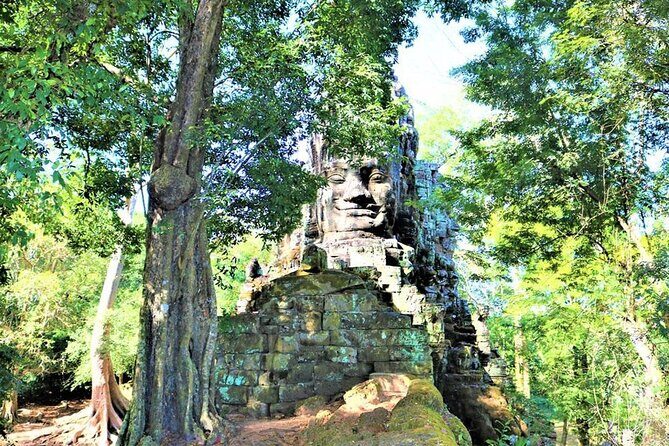
Ta Som is a smaller temple, built at the end of the 12th century for Jayavarman VII, dedicated to his father (the text refers to Dhar something; your guide can fill in the exact phrasing). It’s located northeast of Angkor Thom and just east of Neak Pean.
What makes Ta Som a good match for this tour is contrast. After the reservoir symbolism of Neak Pean, Ta Som shifts toward a more enclosed, “trees close in” feel. The listed duration is 30 minutes, with free admission.
That short stop works well because it avoids fatigue. You get a memorable temple atmosphere without turning the day into a marathon. It’s also a good “breather” before you head to the larger, more open reservoir-landscape stories.
East Mebon: a 10th-century island temple tied to the East Baray
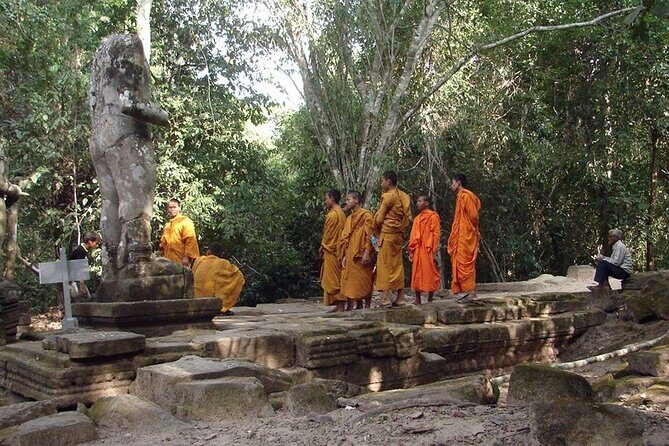
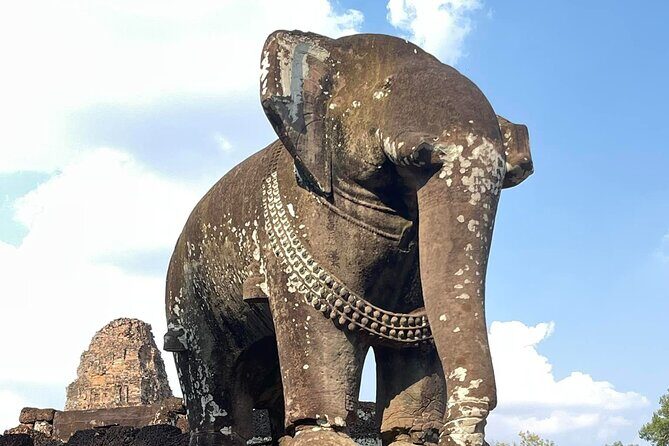
Then you move to Eastern Mebon (often called East Mebon), a temple built in the 10th century by King Rajendravarman.
It once stood on an artificial island in the center of what is now a dry reservoir, the East Baray. The reservoir size is given as 7.5 km by 1.8 km, which helps you picture how ambitious the Khmer water systems were.
This stop lasts about 40 minutes and is listed as free admission. That timing is about right. You can take in the island-temple concept, then listen as your guide explains why these water-and-temple connections mattered.
If you’ve only seen Angkor Wat, East Mebon gives you a different angle: the Khmer world wasn’t only about one star attraction. It was also about managing water, organizing space, and building religious meaning into a working landscape.
Srah Srang: the reservoir you can actually feel the history in
Next is Srah Srang, sometimes described as the royal bathing pond. It was dug in the mid-10th century under the initiative of Buddhist minister Kavindrarimathana, during the era of Rajendravarman II. Later, around 1200, Jayavarman VII modified it with additional construction details your guide can walk you through.
This one is about 20 minutes and listed as free admission. That shorter stop is smart for two reasons. First, the site’s story is rich, but you don’t need to overstay to grasp the pattern: royal power, water engineering, and religious practice overlap here.
Second, the tour still stays flexible. You’ll be ready for Pre Rup without feeling like your legs are packed with fatigue.
Srah Srang is also a useful mental bridge. After East Mebon’s huge former reservoir and Neak Pean’s serpent-and-island theme, Srah Srang reinforces the same point from another angle: water was sacred infrastructure, not decoration.
Pre Rup: the temple-mountain finish that makes sense of the day
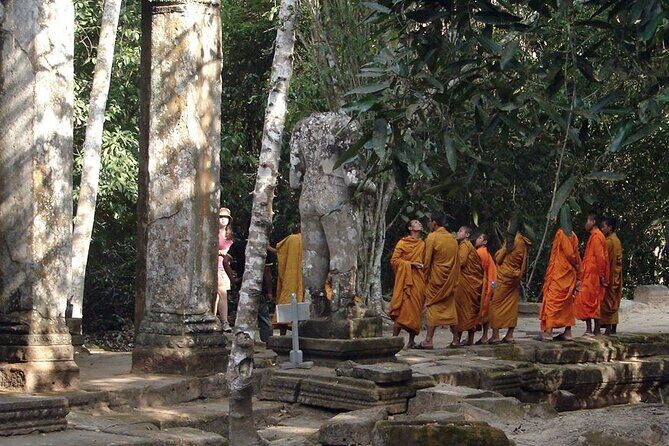
Finally, you reach Pre Rup, built by Rajendravarman in the 10th century. It’s described as a temple mountain made of brick, laterite, and sandstone—a construction style that helps you understand how Angkor’s builders combined materials with engineering needs.
Pre Rup’s name is described as comparatively modern, meaning something like a traditional term rather than an original Khmer label. Your guide can clarify the naming story, but the important part for you is the structure: temple mountain architecture creates that “higher meaning” feeling through physical form.
This stop is about 40 minutes and admission is listed as free. That’s enough time to orient yourself and understand why it closes the circuit well. You’ve spent the day thinking about water and sacred geography. Pre Rup shifts the focus to vertical sacred space and the way the Khmer built meaning into stone.
Private transport, bottled water, and a guide who keeps it moving
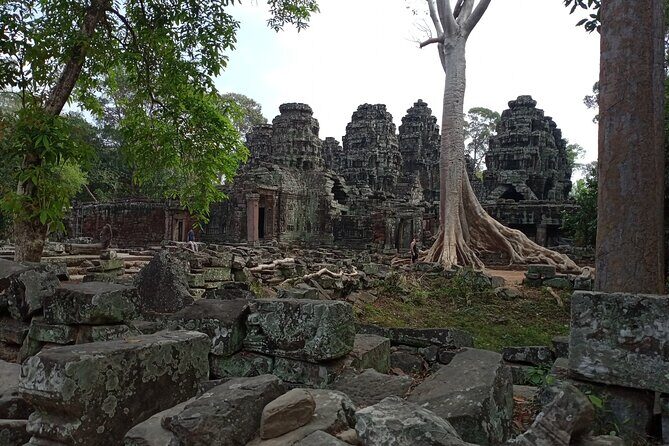
A big part of why this tour works is the format. You get hotel pickup and drop-off, plus a private air-conditioned vehicle and bottled water.
That matters in Siem Reap. The temples are spread out, and the sun can change how fast you feel you’re moving. When the ride is comfortable and the schedule is tight, you spend more time looking at temples and less time negotiating logistics.
The guide is English-speaking, and the tour is private, meaning it’s just your group. One detail worth highlighting: there’s also group discount pricing listed, so if you’re traveling with family or friends and want better value, this setup can pay off.
If you’re hoping for a guide who can make the connections clear, look out for Sim. Past guests praised Sim for explaining outside-Angkor temples and for being a top guide on the kind of second-day plan where you already saw Angkor Wat.
Price and value: $41 plus the Preah Khan ticket
On paper, the tour price is $41 per person, booked on average about 23 days in advance. The duration is about 4 to 5 hours, and you’re getting private transport, hotel pickup/drop-off, bottled water, and an English-speaking guide.
But the key value question is entrance fees.
- Preah Khan entrance fee: $37 per person, not included
- Neak Pean, Ta Som, East Mebon, Srah Srang, Pre Rup: listed as free admission
So your practical total is closer to $78 per person once you include Preah Khan. That sounds steep until you remember what you’re buying: a private guided circuit through multiple major Khmer sites, with only one site charging the ticket in the route.
For many people, that’s good value because the rest of the day stays straightforward. You’re not paying extra again and again, and you’re not spending hours commuting between unrelated temples.
If you’d rather keep costs down, it becomes a decision about whether Preah Khan is worth the extra ticket for you. Given its significance and the way it anchors the whole route, it often is.
Timing, comfort, and what to wear
The whole experience is roughly 4 to 5 hours. That’s long enough to feel like you actually explored, but short enough that you can still enjoy the rest of your day in Siem Reap.
You’ll be outdoors for portions of the visit, especially at water-related sites. Wear breathable clothing, use sunscreen, and plan for uneven ground at temple sites. Bring a hat and comfortable walking shoes.
Also, use the bottled water early, not only when you feel thirsty. It helps you keep your pace steady, which makes the history stories land better because you’re not worn out mid-sentence.
Who this tour suits best
This is a strong fit if:
- You want a guided route that’s designed for understanding, not just photo stops
- You already did Angkor Wat and want the outer temples side of Angkor
- You like a mix of temple architecture and water-engineering context
- You prefer private transport instead of sharing a ride all day
Most travelers can participate, which is useful if you’re not sure how intense the walking will be. Because the stop times are varied—some around 20–40 minutes and one shorter 30-minute stop—you’re unlikely to get stuck feeling trapped in one location.
If you’re traveling as a family or a small group, the private vehicle and pickup/drop-off add extra comfort and time efficiency.
Should you book this Preah Khan, Neak Pean and Pre-Rup private tour?
Book it if you want a well-timed temple circuit that explains how Khmer power, sacred water, and temple design connect. The format is built for people who want more than the big headline sites, but also don’t want a full-day endurance test.
I’d hesitate only if you don’t want to pay the $37 Preah Khan entrance fee or if you’re hoping for a tour that’s mostly free stops from start to finish. Since Preah Khan is the one paid temple on the route, the value depends on how much that ticket feels worth it to you.
If you’re on a second-day plan after Angkor Wat, this route is especially logical. It gives you that outside-Angkor perspective while still staying tightly connected to the same Khmer story.
FAQ
How long is the Preah Khan, Neak Pean and Pre-Rup private tour?
The tour runs about 4 to 5 hours.
Which stops are included in the tour?
You visit Preah Khan, Neak Pean, Ta Som, Eastern Mebon, Srah Srang, and Pre Rup.
Is hotel pickup and drop-off included?
Yes. The tour includes hotel pickup and drop-off.
Do I need to pay entrance fees?
Entrance for Preah Khan is not included and is listed at $37 per person. Admission is listed as free for Neak Pean, Ta Som, Eastern Mebon, Srah Srang, and Pre Rup.
Is this tour private?
Yes. It’s a private tour/activity, so only your group participates.
What language is the guide?
The tour includes an English-speaking tour guide.
Do they provide transportation and water?
Yes. You get a private air-conditioned vehicle and bottled water.
What is the cancellation policy?
You can cancel for a full refund up to 24 hours in advance of the experience start time.