REVIEW · SIEM REAP
Private Tour of Angkor Wat and Floating Village
Book on Viator →Operated by Angkor Wat Shared Tours · Bookable on Viator
Two days in Siem Reap can feel like a time machine. This private tour strings together major Angkor temples with a real look at lakeside life at Kampong Phluk, then finishes with calm Tonle Sap sunset views. It’s built for travelers who want big sights without the hassle of coordinating everything.
I especially like that it’s private for up to 3 people, with pickup and drop-off from your lodging and room to tailor the plan to your pace. I also like the mix of famous temples and quieter stops, like Roluos market life on Day 2, not just another checklist.
One consideration: the temple pass and meals aren’t included, so you’ll need to budget for those separately. Also, the experience requires good weather, and boat time depends on conditions.
In This Review
- Key highlights worth planning around
- Why This 2-Day Private Combo Works in Siem Reap
- Price and What You Actually Get for $160 per Group
- Day 1: Angkor Wat, Thom, Ta Prohm, Banteay Kdei, and Ta Keo
- Stop 1: Angkor Wat
- Stop 2: Angkor Thom (including the gate and Bayon)
- Stop 3: Ta Prohm
- Stop 4: Banteay Kdei
- Stop 5: Ta Keo
- Day 2: Roluos Market, Kampong Phluk by Boat, and Tonle Sap Sunset
- Stop 1: Roluos (a rural Khmer settlement walk)
- Stop 2: Kampong Phluk Floating Village (boat + stilts + watermarks)
- Stop 3: Tonle Sap Lake (calm waters and a floating restaurant)
- Guides: The Names You Might Hear and Why It Matters
- Comfort, Timing, and What to Bring for Boat + Temple Days
- Who This Tour Is Best For
- Should You Book This Angkor Wat and Floating Village Tour?
- FAQ
- Is the temple pass included?
- Are meals included?
- Is pickup and drop-off included?
- How many people is the private tour for?
- Is there a boat included for the floating village?
- What happens if the weather is bad?
Key highlights worth planning around
- Private pacing for up to 3: pickup, an air-conditioned vehicle, and an English-speaking guide just for your group
- Big-name Angkor temples, but not only the obvious ones: Angkor Wat, Angkor Thom, Ta Prohm, plus Ta Keo and Banteay Kdei
- Kampong Phluk by boat: stilt houses, waterways, and seasonal watermarks on beams in dry season
- Tonle Sap sunset at a floating restaurant: a drink, and dinner if you want it
- Khmer-guided history you can actually use: guides who connect symbols on the stones to how Angkor people lived
Why This 2-Day Private Combo Works in Siem Reap
If you only have two days in the Angkor region, this kind of itinerary is hard to beat. You get the headliners on Day 1, then trade temple crowds for a slower, more human Day 2 on and around the water. That balance matters. Temples can be intense, so it helps to shift gears before you burn out.
The private setup is also the point. A shared tour often means you wait for other people and shuffle your own priorities. Here, you start with pickup and drop-off, and the guide can tailor the day to what you care about most. Maybe you want more time photographing carvings. Maybe you’d rather spend the same time on fewer stops. You can ask.
And the “why” behind the design is strong: it’s not just about seeing temples, it’s about understanding Cambodia’s cultural story. The guide focus is history and culture, and the Day 2 stops are specifically chosen to show daily life beyond the Angkor monuments. If your goal is context, you’ll feel it.
You can also read our reviews of more private tours in Siem Reap
Price and What You Actually Get for $160 per Group
The price is $160 per group (up to 3 people) for the full 2-day experience. That’s a big deal, because private tours like this can get expensive fast when you’re traveling solo or as a couple. Here, you’re sharing the cost across up to three people, which usually makes the math more comfortable than paying the same rate for a single seat.
What’s included is practical, not just “nice to have.” You get:
- Air-conditioned vehicle for the temple days
- Pickup and drop-off back to the meeting point
- English-speaking tour guide
- Chilled bottled water
- Boat ticket
- Mobile ticket
What’s not included is equally important: the temple pass and meals. So when you compare value, factor those in. If you like to eat well and don’t want to hunt for food between stops, plan for it.
Day 1: Angkor Wat, Thom, Ta Prohm, Banteay Kdei, and Ta Keo
Day 1 is classic Angkor territory: five temple stops, each timed at about an hour. That structure is good for two-day trips because it keeps you moving but gives you enough time to actually look. The catch is simple: you’ll want good shoes and a steady mindset. You’re stacking monumental sights, and your energy will be the limiting factor, not the itinerary.
Stop 1: Angkor Wat
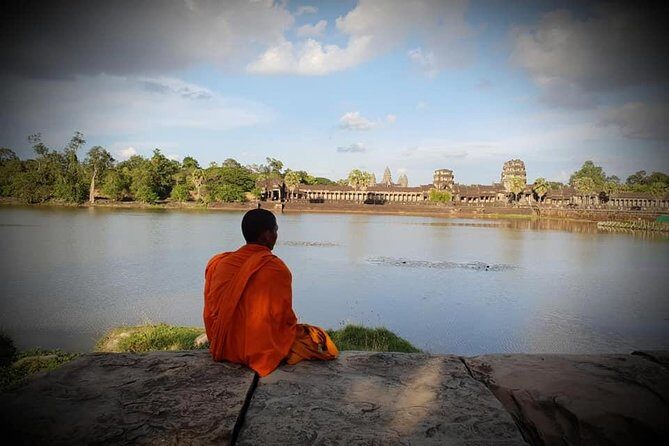
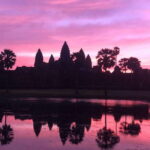
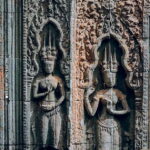
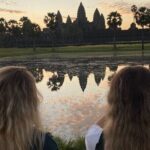
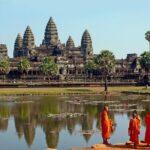
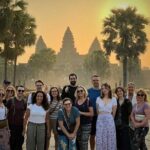
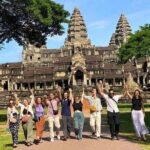
Angkor Wat is the largest religious monument in the world and famous worldwide for sunrise. Even if your visit isn’t at the crack-of-dawn moment, it still hits hard because of scale and design. You’re walking through a complex that feels planned down to the last axis, with a sense of ceremony built into every approach.
Practical tip: because it’s such a signature place, take a moment to slow down and look for patterns in the carvings and layout. The guide’s job here is helpful—when you understand what the symbols are pointing to, the stone starts making sense.
Stop 2: Angkor Thom (including the gate and Bayon)
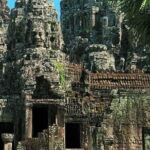
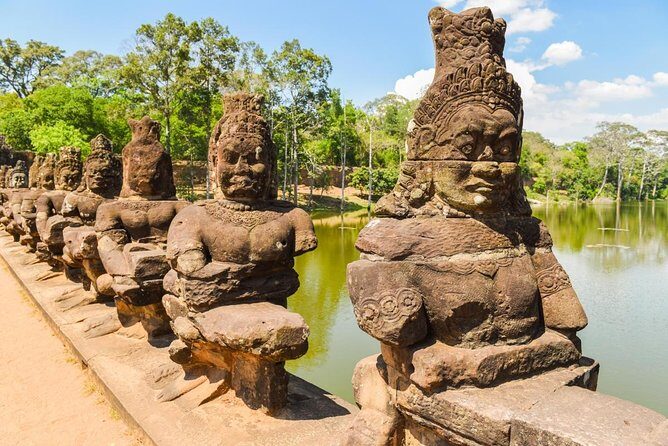
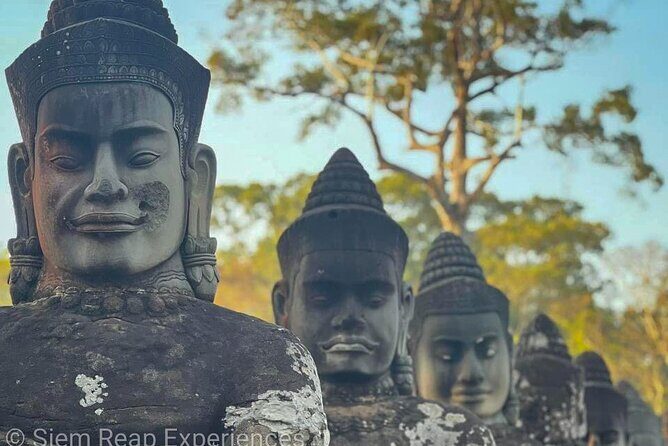
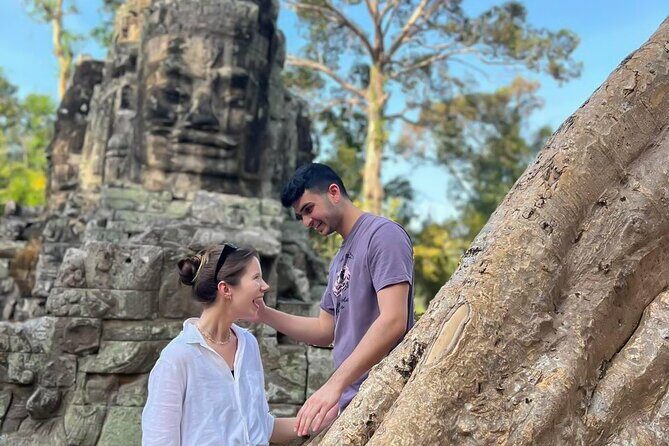
Angkor Thom was the late capital of the Angkor empire, and it’s awe-inspiring for a reason: you approach through a grand gateway, then land at the center with Bayon. Bayon is the temple most people remember because it’s where the vibe shifts from wide courtyards to face-filled stone.
This stop is worth it even if you’ve seen photos, because the scale feels different in person. And because your hour isn’t just “walk and leave,” you’ll get context for why this capital layout matters.
Stop 3: Ta Prohm
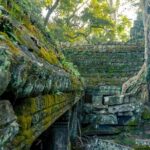
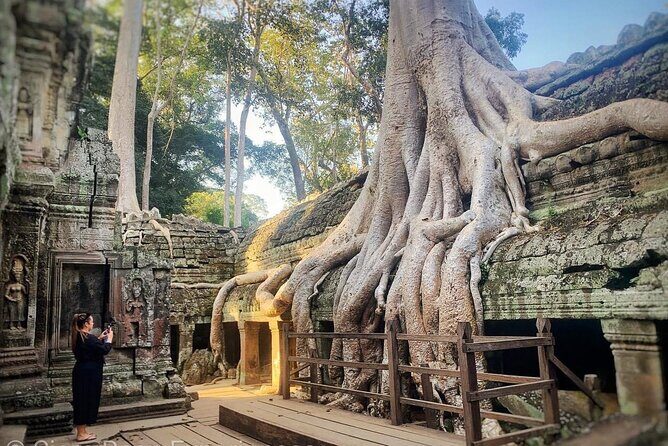
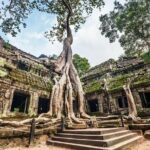
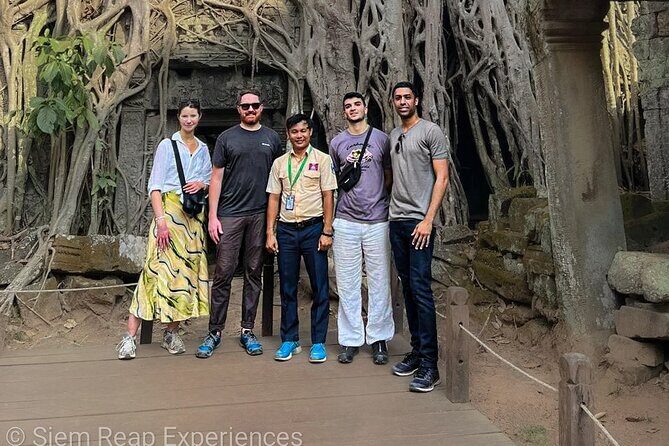
Ta Prohm is one of the most beloved Angkor temples, known for being partially reclaimed by the jungle. The roots weaving through ruined walls create a surreal scene: nature and stone fighting for space, but in a way that makes the place more readable rather than less.
There’s also pop-culture gravity here: Ta Prohm was used in the 2001 film Tomb Raider. If you’ve seen the movie, you’ll recognize the feel immediately. Just remember that the real value is the Khmer story underneath the scenery.
Stop 4: Banteay Kdei
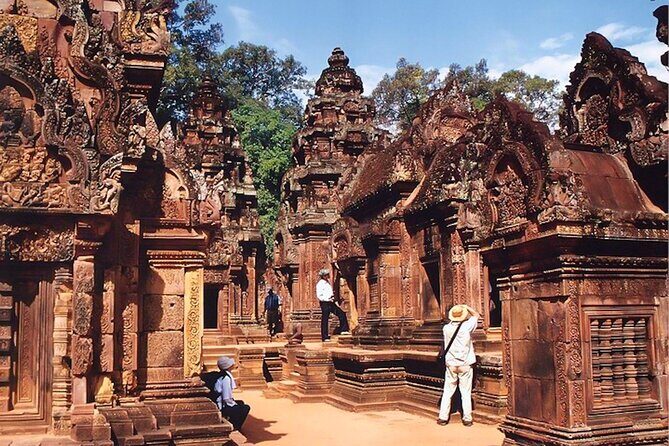
Banteay Kdei is often described as the citadel of chambers or the citadel of monks. Built by the same king as Ta Prohm, it differs in character because it’s been an active religious center for most of its history. That changes how the temple feels. You’re not only looking at ruins; you’re seeing continuity.
If you like temples that feel lived-in (in a historical sense), this is a strong middle-of-the-day stop. It gives your eyes a break from the most iconic “poster” scenes without feeling like a detour.
Stop 5: Ta Keo
Ta Keo was never finished, which means it looks different from many other temples. It’s a square, layered-pyramid shape, and the unfinished state makes the structure feel dramatic in a stark way. Climbing the terraces gives you views over the jungle, so your hour can include both stepping upward and looking outward.
Be ready for stairs. If you’ve been in a warm climate for days, it can sneak up on you. That said, it’s one of those temples where the effort pays off because the viewpoints help you “read” the landscape around Angkor.
Day 2: Roluos Market, Kampong Phluk by Boat, and Tonle Sap Sunset
Day 2 has a calmer rhythm. The goal is not to cram more famous ruins—it’s to show the region as a living place. You still get a couple hours per stop, and the big activity is the boat ride at Kampong Phluk, plus a sunset moment on Tonle Sap.
Stop 1: Roluos (a rural Khmer settlement walk)
Roluos is where you get out of the temple bubble. This portion is a walk around a working market, with your guide showing traditional Cambodian ingredients and giving insight into the Khmer way of life. That “ingredients” piece is small, but it’s the kind of detail that makes culture feel real instead of abstract.
You’ll likely appreciate this stop most if you want your trip to include more than monumental stone. It also sets a good emotional tone for the day. After Angkor’s grandeur, a market walk brings you back to daily routine.
Stop 2: Kampong Phluk Floating Village (boat + stilts + watermarks)
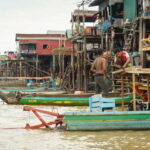
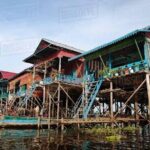
At Kampong Phluk, you hop in a boat and explore the waterways and houses on stilts. This is the part that changes the pace the most. Instead of walking temple grounds, you’re moving through the lake-and-river world that shapes people’s lives.
The seasonal angle is important. In dry season, you can see watermarks on the beams showing how high the waters rise. In wet season, you’ll see villagers and fishermen going about their business by boat. In other words, this stop isn’t just a scenic photo stop—it’s a snapshot of how adaptation works.
One detail from experience stories: some boats can put you up where you’re seeing more of the sky and water than a typical enclosed ride. It can be fun and scenic, but it also means you should be ready for sun and splashes.
Stop 3: Tonle Sap Lake (calm waters and a floating restaurant)
Tonle Sap Lake brings the day to a slower close. Going out on the lake is described as deeply calming because the still waters meet the horizon so far away you can basically stop thinking for a minute.
Your tour ends with a drink, and dinner if you wish, at a traditional floating restaurant while watching the sun set over the lake. This isn’t just “nice.” It’s a smart finale because it gives your eyes and brain a reset after hours of temple stone and boat movement.
Guides: The Names You Might Hear and Why It Matters
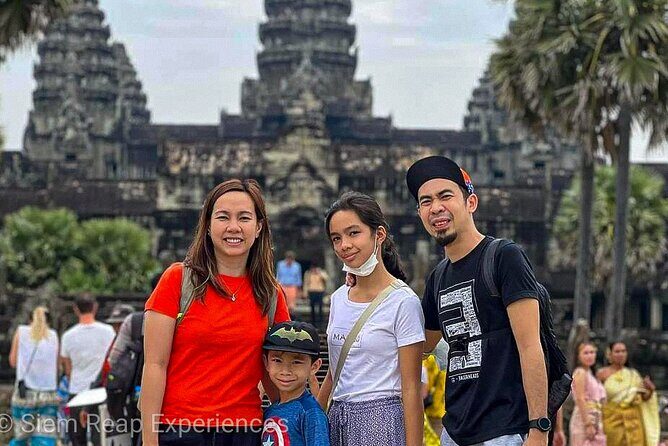
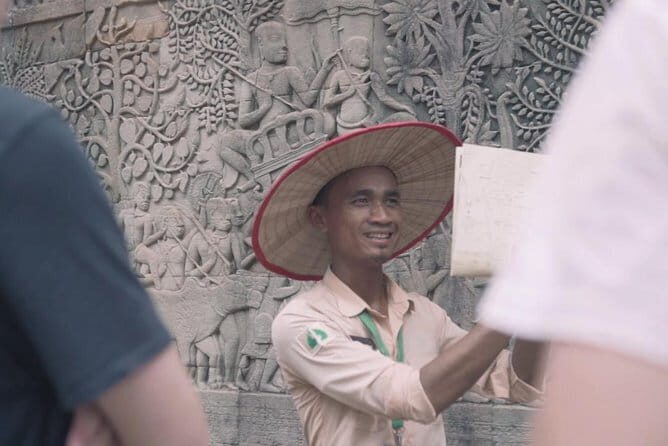
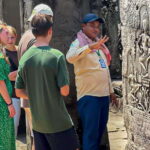
A good guide changes the whole trip, especially in Angkor where symbols repeat and history gets complicated fast. Here, the guides are Khmer specialists, and they focus on history and culture rather than only reciting dates.
From actual guide stories connected to this tour, you might meet Phrem, who led guests through temples in a way that felt like time travel to a much earlier century. You could also meet Vone, praised for strong knowledge and excellent English. Another name that comes up is Phaney, with excellent English and friendly, accommodating answers.
Behind the scenes, Dara is mentioned as the organizer who was responsive when people set up multiple tours. That kind of responsiveness matters because you don’t want your time in Siem Reap spent fixing misunderstandings.
What should you do on the day? Ask questions that connect what you’re seeing to daily life and belief systems. For example: what does a temple layout suggest about power or worship? How do the carved motifs relate to the culture that made them? You’ll get more out of the same stone.
Comfort, Timing, and What to Bring for Boat + Temple Days
Because you’re mixing temple walking and a lake boat ride, your packing should match both. The tour includes chilled bottled water, which helps, but you still want to bring your own basics too.
For temples:
- Wear shoes you can stand in for a while and climb stairs in
- Dress respectfully (temples are religious sites)
- Bring sun protection for exposed areas
For the floating village and lake:
- Expect spray and sun on the water
- A light layer can help if you get a breeze out on the lake
- If you’re sensitive to heat, plan to slow down during transitions and lean on your guide’s pacing
Weather matters here. The experience requires good weather, and that’s not just a fine print note. If conditions aren’t ideal, the boat and lake portion may be adjusted or rescheduled.
Who This Tour Is Best For
This is a strong match if you:
- Have two days and want the Angkor highlights plus the floating village without doing everything yourself
- Prefer a private guide and vehicle rather than juggling shared logistics
- Care about culture and history, not only photos
- Want a “balance day” on the lake after a temple-heavy Day 1
It also works well for couples and small groups because the pricing is per group up to three. If you’re solo, the private model can still feel practical, since you’re not stuck with a random schedule.
If you’re the kind of traveler who gets bored by back-to-back big monuments, you may appreciate that Day 2 shifts into market life, then water-based community, then sunset calm.
Should You Book This Angkor Wat and Floating Village Tour?
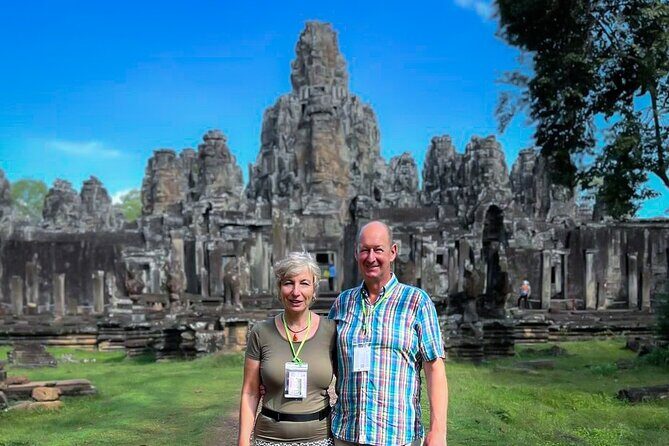
I’d book it if your priorities are clear: major Angkor temples, guided context, and a meaningful Day 2 on Tonle Sap and at Kampong Phluk. The private setup with pickup, air-conditioning, and an English-speaking guide makes it efficient and lower stress. The Day 2 choices add variety so you’re not just doing temples twice.
I would hesitate if you’re traveling with a tight budget after accounting for the temple pass and meals, since those aren’t included. Also, keep an eye on weather since the experience depends on good conditions for the lake portion.
If you want two days that feel full without feeling chaotic, this tour is built for that.
FAQ
Is the temple pass included?
No. The temple pass isn’t included, so you’ll need to arrange it separately before or during your visit.
Are meals included?
No. Meals are not included.
Is pickup and drop-off included?
Yes. The tour offers pickup and drop-off from your hotel area, and it ends back at the meeting point.
How many people is the private tour for?
It’s private for your group, priced per group up to 3 people.
Is there a boat included for the floating village?
Yes. The tour includes a boat ticket for Kampong Phluk.
What happens if the weather is bad?
The experience requires good weather. If it’s canceled due to poor weather, you’ll be offered a different date or a full refund.