REVIEW · SIEM REAP
Siem Reap: 2-Days Angkor Wat with Sunrise Small-Group Tour
Book on GetYourGuide →Operated by Tourme ANGKOR · Bookable on GetYourGuide
Sunrise at Angkor Wat changes the whole day. I love the early-morning timing that sets you up for real temple-spot viewing, and I love the practical comfort—cool towels and bottled water—that keeps the walking bearable. With guides such as Sak and Pal, you also get help finding the best angles and understanding what you are actually looking at, not just where to stand.
Day 1 is the long one, and you should plan for a hot, active route plus the fact that the temples pass is not included. You can still have an amazing trip if you go in eyes open: good shoes, sun protection, and budget for the pass.
In This Review
- Key points I’d circle before you book
- Why this two-day Angkor Wat plan makes sense
- Day 1: Pre Rup, Banteay Srei, Neak Pean, and Preah Khan
- The main Day 1 consideration
- Day 2 sunrise at Angkor Wat: timing, walking, and first impressions
- Sunrise depends on the sky
- Ta Prohm and the jungle effect (the photos aren’t an accident)
- Angkor Thom, Bayon faces, and the terraces you should not skip
- My practical tip for this part
- Small-group size, guides like Sak or Bun, and the comfort details that matter
- Price and logistics: how good value really works here
- Timing is part of the value
- What to bring (and how to make the walking feel easier)
- Who should book it—and who should skip it
- Should you book this Angkor Wat sunrise small-group tour?
- FAQ
- What is included in the tour price?
- Is the temples pass included?
- What time are the pickups for each day?
- What temples will I see on Day 1?
- What temples will I see on Day 2?
- Can I cancel for a full refund?
Key points I’d circle before you book
- Sunrise logistics that avoid chaos with an early arrival and smart viewing spots
- AC transport + cool towels to reset between temple walks
- A mix of temple styles in 2 days from stepped Hindu pyramids to jungle-grown ruins
- Guides like Sak and Bun bring stories to life with clear context and photo-friendly guidance
- Time to explore inside the sites rather than only rushing past them
Why this two-day Angkor Wat plan makes sense
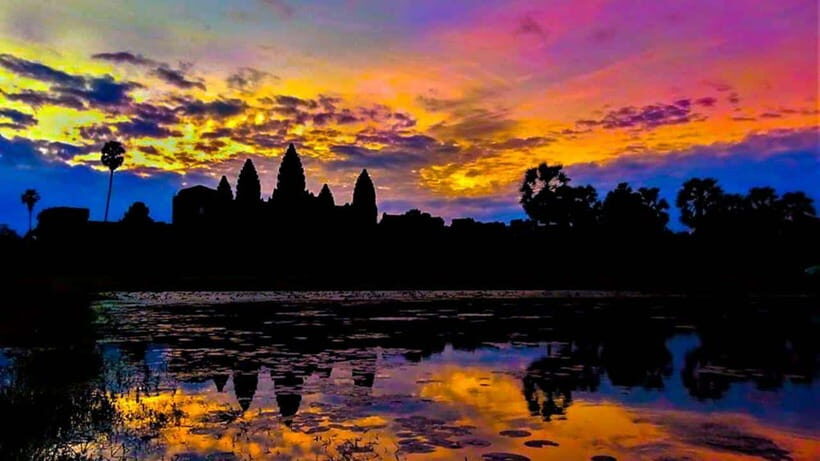
Angkor is huge. Even if you only have 1–2 days, you want a plan that does two things: hits the big icons and still gives you variety. This tour is built around that idea—one day that concentrates on outer highlights, then one day that centers on the sunrise and the most famous Angkor Wat to Angkor Thom circuit.
What makes it especially useful is the rhythm. You start very early on Day 2, but then the day is organized so you can see major areas without feeling like you are sprinting temple to temple in the hottest hours with no breaks.
A few more Siem Reap tours and experiences worth a look

Day 1: Pre Rup, Banteay Srei, Neak Pean, and Preah Khan
Day 1 focuses on temples that feel more intimate than Angkor Wat. You start with Pre Rup, a late 10th-century Hindu temple known for its stepped pyramid design. It is a great warm-up because you get a clear sense of how these structures were meant to rise up in layers—literally and symbolically.
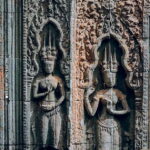
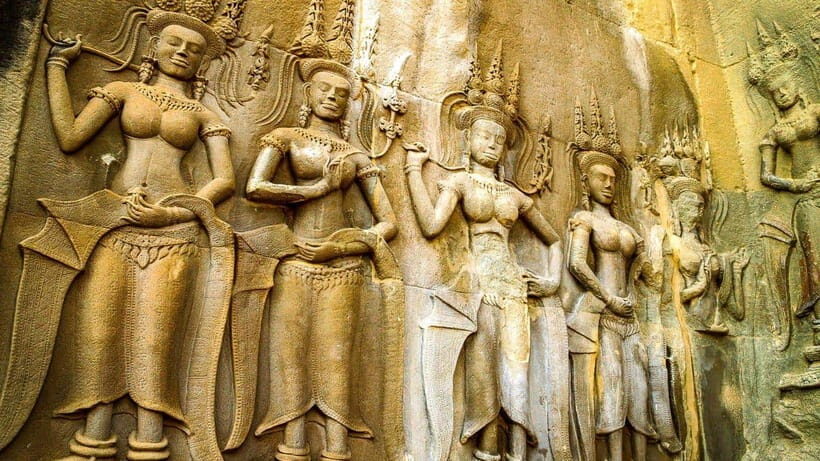
Then you head to Banteay Srei. This is a smaller temple, but it earns its reputation through its fine sandstone carvings and intricate relief work. In practical terms, it is a nice change of pace after larger complexes because your brain can slow down and actually read details.
After lunch, the route shifts again—Neak Pean is a Buddhist temple on a man-made island. That setting matters. It feels like a breather temple stop, with a different mood than the stone-and-jungle scenes you will see later.
Preah Khan rounds out the day with a larger, atmospheric complex. Think of it as the kind of place where you feel you have stepped into another era. You also get a strong mix of Hindu and Buddhist influences across the day, which helps you understand Angkor without needing a full course in Khmer religion.
The main Day 1 consideration
Day 1 is described as a long day, and the route includes walking and stairs. That is not a reason to skip it, but it is a reason to wear shoes you trust and pace yourself during climbs.
Day 2 sunrise at Angkor Wat: timing, walking, and first impressions
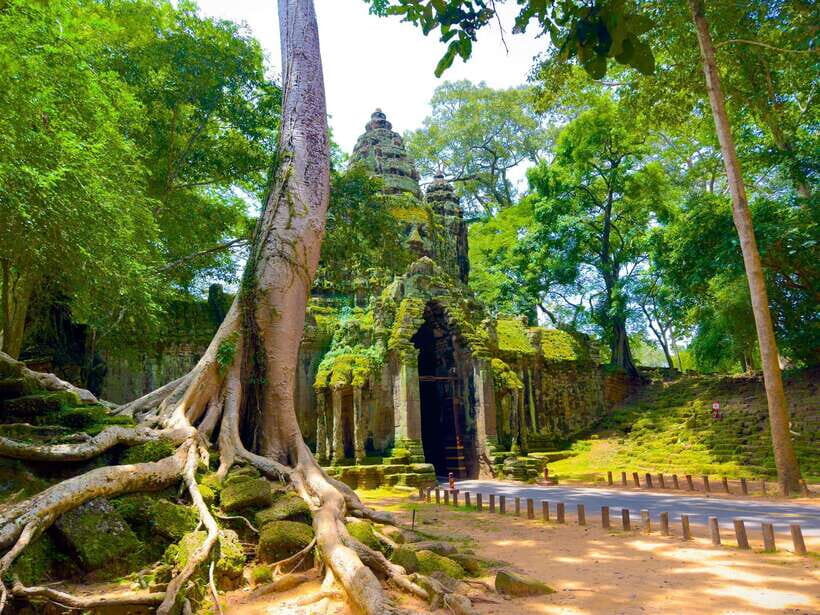
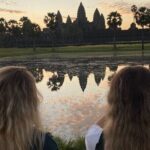
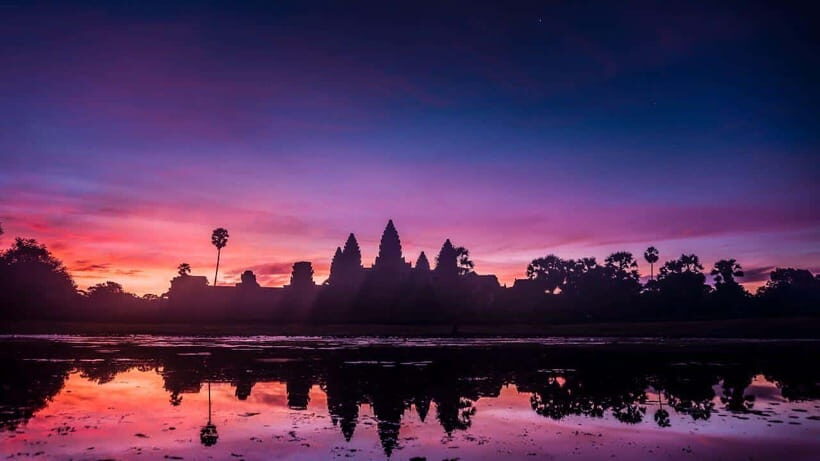
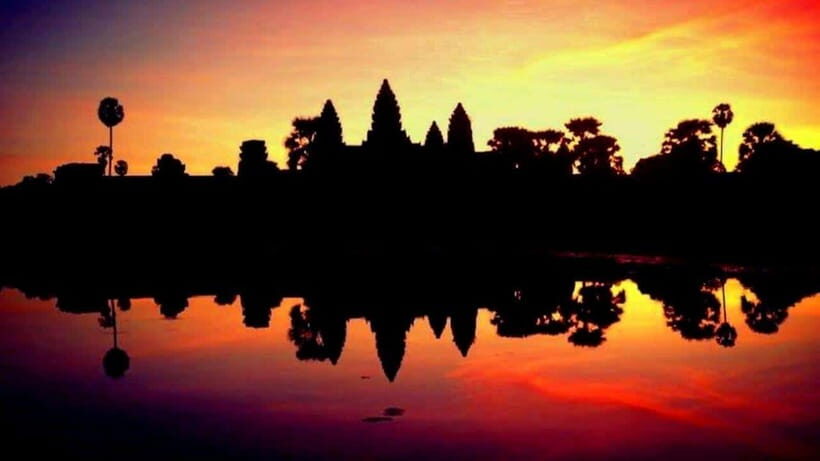
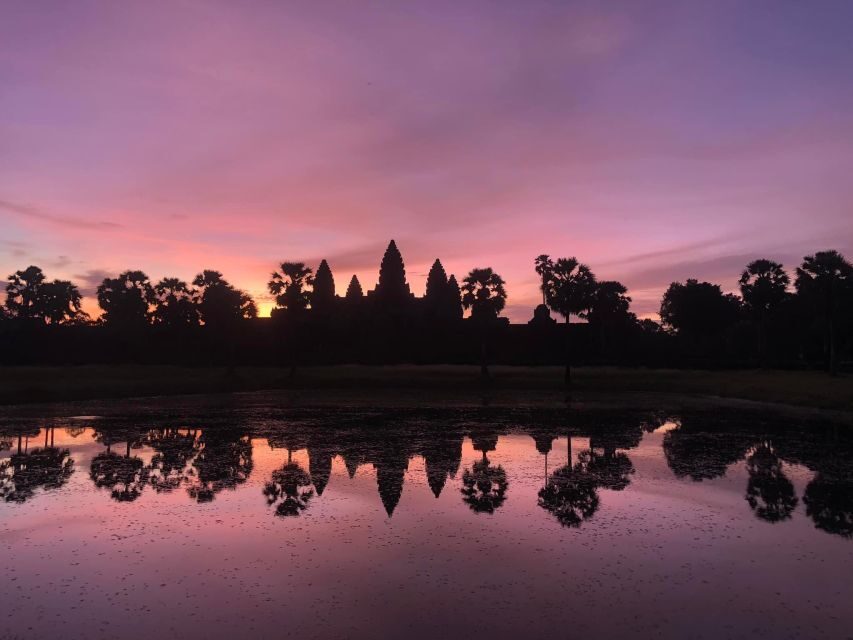
Day 2 is the headline: sunrise at Angkor Wat. Pickup is very early—around 4:20am to 4:35am—because you need to beat the crowds to the best areas. The payoff is not just a pretty sky. It is the way the light hits stone geometry at dawn, making the temple’s scale and symmetry feel real.
Once you arrive, you will spend time exploring Angkor Wat’s interior areas—corridors, central chambers, and upper terraces. That matters because many people only see the outer look. Here, you get more depth, which helps you connect the exterior silhouette to the inside design.
There is also a practical touch: breakfast is planned just outside of Angkor Wat, followed by some rest before you move on. Since food is not included, you should expect to pay for what you eat, but the schedule gives you time to refuel without derailing the rest of the day.
Sunrise depends on the sky
Sunrise is weather-dependent. You cannot control clouds, but the tour’s timing improves your odds for a strong morning view and good photo positions.
A few more Siem Reap tours and experiences worth a look

Ta Prohm and the jungle effect (the photos aren’t an accident)
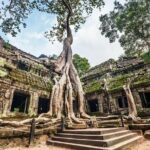
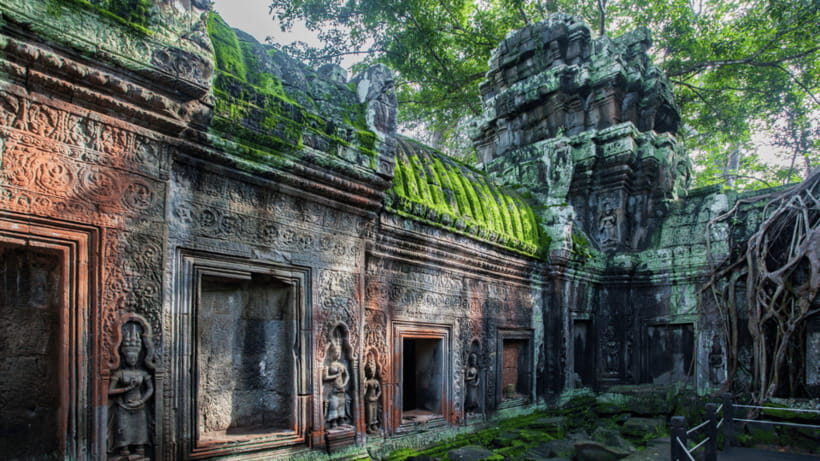
After sunrise and a reset, the next stop is Ta Prohm, the famous temple complex overgrown with trees. This is one of those places where the ruin and the jungle create a single scene. It works on two levels: it looks cinematic, and it helps you understand how Angkor’s stone structures have changed over centuries of nature and time.
In practice, you want to take your time here. The whole point is noticing how roots and openings reshape the views. Even if you only stop briefly, aim to slow down for a few angles where the trees frame doorways and walls.
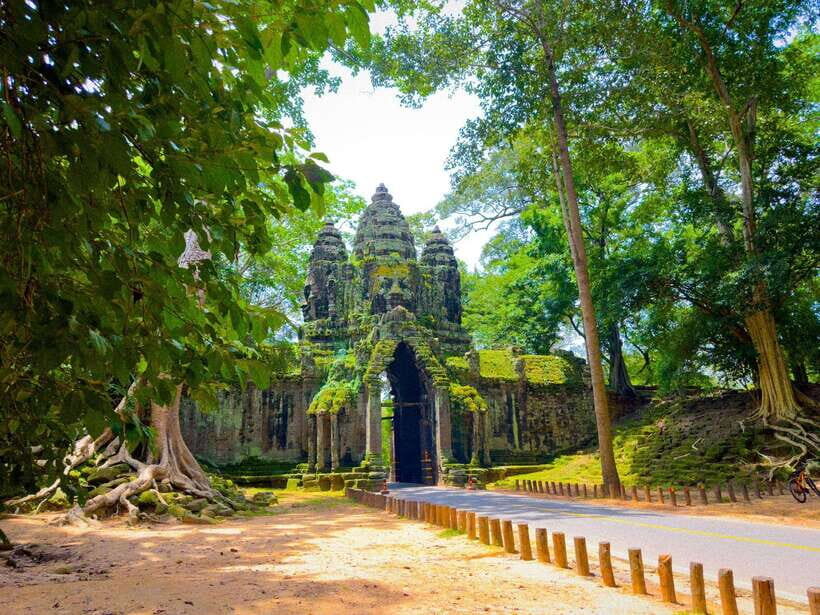
Then the tour heads toward Angkor Thom, starting with the Eastern Gate. You will see the gate lined with stone gods and demons, which is a distinctive visual introduction to the fortified city feeling of Angkor Thom.
Angkor Thom, Bayon faces, and the terraces you should not skip
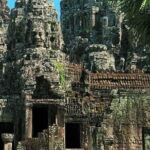
Once you enter Angkor Thom, the tour centers on Bayon Temple. Bayon is known for its many carved faces, and it is one of those temples that makes you feel watched—even when you know it is just stone.
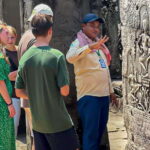
This section is also where a good guide changes your experience. Guides such as Sak and Bun are often praised for explaining inscriptions and the meaning behind details you might otherwise miss. It makes the carved faces feel less like a decoration and more like part of the original message the temple was built to communicate.
The route also includes the Terrace of the Elephants and the Terrace of the Leper King. These aren’t just photo stops. They add story texture—battle, ritual, daily meaning, and the way Angkor used grand terraces to stage power and belief.
My practical tip for this part
Go in expecting stairs and uneven stone. Keep water with you when possible, and use the cool towel breaks in the AC vehicle time to recover. If you try to sprint through these terraces, you miss what makes them memorable.
Small-group size, guides like Sak or Bun, and the comfort details that matter
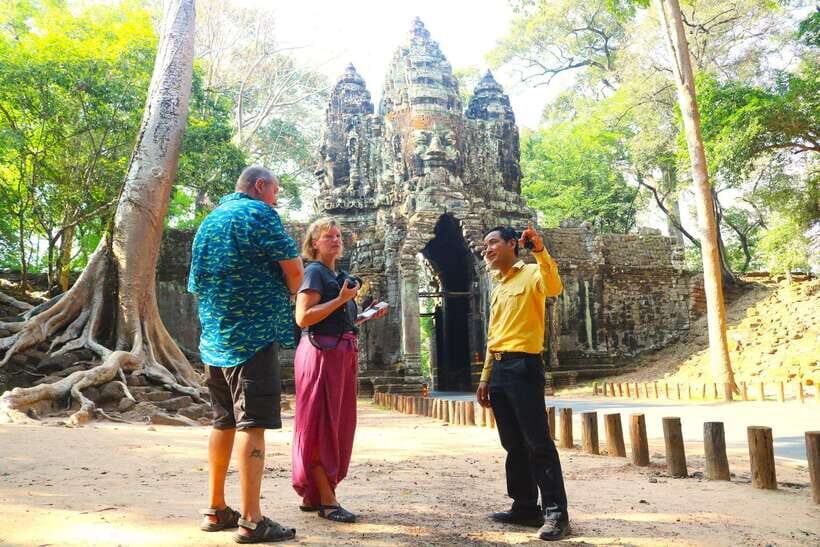
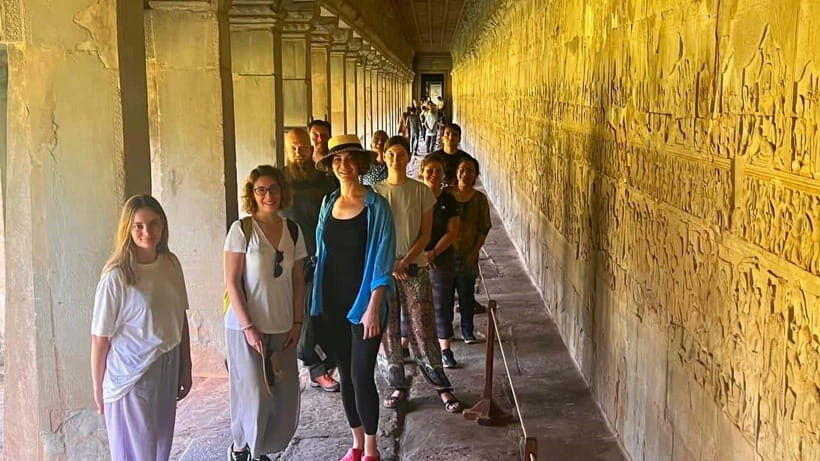
This is described as a small-group tour, and the experience is shaped by that. The group size can vary by day. Some groups are small—around five people on one day—then bigger the next (around eleven people), but it stays manageable enough that you are not just a number in a crowd.
The guide is usually the difference between seeing temples and understanding them. Many guides on this route are praised for clear, organized explanations and for being helpful with photos. People specifically mention guide support for finding sunrise spots on Day 2 and for photo timing, including guides who help take pictures and point you toward strong angles.
Comfort is built into the day in a way that actually helps. You get hotel pickup and drop-off, travel in an air-conditioned vehicle, and complimentary bottled water plus cool towels. That combination matters because Angkor is hot, and the walks between sites add up fast.
If you have heat sensitivity, you will appreciate these resets. Several people mention cooling towels after temple walks as a lifesaver in warm conditions.
Price and logistics: how good value really works here
The price shown can look surprisingly low at $16 per person, but the important part is what is included and what is not. The tour itself covers pickup/drop-off, the guide, air-conditioned transport, and bottled water and cool towels. The major extra cost is the temples pass, which you pay separately.
For budgeting, plan on:
- Tour price: $16 per person
- Temples pass: $62 per person (for 2–3 days, per the info provided)
- Food and drinks: not included
That makes the temples pass the real anchor cost. Still, the value here comes from paying for a day (or two) of someone planning the route, guiding you through what you are seeing, and managing the long early schedule with AC comfort and cooling breaks.
Also, the tour includes skip-the-ticket-line entry. That does not remove the need for a pass, but it can save time before you start your walking.
Timing is part of the value
The pickup times are strict and purposeful:
- Day 1: pickup between 7:45am–8:00am, ending about 4:00pm–5:00pm
- Day 2: pickup between 4:20am–4:35am, ending about 12:30pm–1:30pm
You are not just buying temple access. You are buying a schedule that lines up the sunrise and the major sights efficiently.
What to bring (and how to make the walking feel easier)
This tour is active, so come prepared. Bring:
- Comfortable shoes (you will thank yourself)
- Sunglasses and a sun hat
- Sunscreen
- Insect repellent
- Comfortable clothes for heat
You are also wise to treat Day 1 as your conditioning day and Day 2 as your early-morning focus day. On Day 2, mornings can feel calmer, but you still get multiple temple stops, stairs, and open-air sections.
One more point: pets are not allowed, so plan around that if you are traveling with animals.
Who should book it—and who should skip it
This is a strong fit if you:
- Want sunrise at Angkor Wat and also want the rest of the key sites
- Prefer small-group pacing over busloads
- Like learning context from a guide, especially about what you see carved into stone
- Appreciate comfort touches like AC transport, bottled water, and cool towels
It is not suitable for children under 8, and it is not suitable for wheelchair users, based on the information provided.
If you are traveling with a big group or want absolute freedom with no structure, you might consider going independently. But if you want maximum value from limited time, this is built for that.
Should you book this Angkor Wat sunrise small-group tour?
I’d book it if you want a smart, two-day hit that covers Angkor Wat sunrise, Ta Prohm, Angkor Thom, and standout temples beyond the main circuit—while keeping you comfortable in the heat with AC and cooling breaks. The temples pass cost is the big add-on, so it helps to budget for it upfront.
Skip it only if you know you cannot handle long days with stairs and uneven stone, or if sunrise timing would feel stressful rather than exciting. For everyone else, this is a practical way to get the most meaningful Angkor experience without trying to conquer it alone.
FAQ
What is included in the tour price?
The tour includes hotel pickup and drop-off, an English live guide, air-conditioned vehicle transport, and complimentary bottled water and a cool towel.
Is the temples pass included?
No. The temples pass is not included, and the info provided notes it as about $62 per person for a 2–3 day pass.
What time are the pickups for each day?
Day 1 pickup is between 7:45am and 8:00am, and ending/drop-off is between 4:00pm and 5:00pm. Day 2 pickup is between 4:20am and 4:35am, and ending/drop-off is between 12:30pm and 1:30pm.
What temples will I see on Day 1?
Day 1 includes Pre Rup, Banteay Srei, Neak Pean, and Preah Khan.
What temples will I see on Day 2?
Day 2 includes sunrise at Angkor Wat with time to explore inside areas, Ta Prohm, the Eastern Gate of Angkor Thom, Bayon Temple, and stops including the Terrace of the Elephants and the Terrace of the Leper King.
Can I cancel for a full refund?
Yes. The activity offers free cancellation up to 24 hours in advance for a full refund.