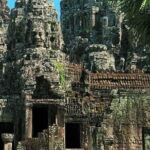
Two days can change how you see Cambodia. This private route pairs the big hits at Angkor Wat with the quieter, more rugged feel of Koh Ker and Beng Mealea—without you chasing rides or ticket lines. I like the simple rhythm: you get a guide, you get transport, and you go temple to temple at a pace that feels doable.
I also like the small practical touches that keep the trip smooth. The guide brings cold drinking water, and the meeting point is easy to find in Siem Reap, which matters on a tight timeline.
The main thing to consider is money before you go. Temple Pass fees are not included, and you’ll want some extra cash (plus you’ll need to follow the dress code: shoulders and knees covered).
In This Review
- Key Things I’d Watch Before You Go
- Private 2-Day Temple Run: Why This Feels Easy
- Day 1 at Angkor Wat, Ta Prohm, and Bayon: A Strong First Hit
- Angkor Wat: The Khmer Empire’s Masterpiece, Up Close
- Ta Prohm: The Jungle-Overgrown Tomb Raider Temple
- Bayon in Angkor Thom: The Faces and the Walled City Feel
- Day 2 at Koh Ker and Beng Mealea: Where the Pace Changes
- Koh Ker: The 7-Tier Pyramid That Looks Nothing Like the Others
- Beng Mealea: Ruins on an Ancient Road to Preah Khan
- Price and Temple Pass Reality: What You’re Really Paying For
- Meeting Point, Pacing, and the Dress Code That Matters
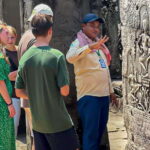
- The Guide Factor: Why Explanations Change the Whole Trip
- Who This Tour Is Best For (and Who Might Want Something Else)
- Should You Book This 2-Day Angkor Wat, Koh Ker & Beng Mealea Tour?
- FAQ
- What is included in the 2-Day Angkor Wat, Koh Ker & Beng Mealea tour?
- Are Temple Pass fees included in the price?
- What temples will I see over the two days?
- What dress code do I need for the temples?
- Is this tour private or shared with other groups?
- What is the cancellation policy?
Key Things I’d Watch Before You Go
- Transport is handled end to end, so you don’t have to arrange motorcycles or taxis across multiple temples
- A guide stays with you both days, with on-the-spot explanations as you walk and look
- Cold water is included, which helps when you’re outside for hours
- Temple Pass costs are extra, so budget cash for Angkor, Koh Ker, and Beng Mealea
- Koh Ker and Beng Mealea are less crowded, letting you spend more time looking closely
- This is private, meaning only your group participates
Private 2-Day Temple Run: Why This Feels Easy
Angkor can be overwhelming. The temples are famous, the ruins sprawl, and if you have to coordinate bikes, drivers, and timing by yourself, the whole plan starts to feel like work.
This tour cuts out most of that friction. You meet in Siem Reap, then you’re moved between sites with suitable transport for your group size. A guide is with you on both days, so you’re not just wandering—you’re connecting what you’re seeing to what it was built for and how the Khmer period shaped these places.
Two practical details make the biggest difference on the ground. First, you’re not stuck hunting down tickets or scrambling for rides while everyone else is already in line. Second, the guide provides cold drinking water, which is a real quality-of-life upgrade when you’re spending long stretches outdoors.
A few more Siem Reap tours and experiences worth a look

Day 1 at Angkor Wat, Ta Prohm, and Bayon: A Strong First Hit
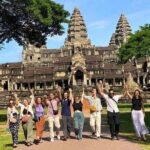
Day 1 is the classic trio, and it’s designed well. You start with Angkor Wat, move to Ta Prohm, then finish at Bayon inside Angkor Thom. That order makes sense because Angkor Wat gives you the big “wow” scale, Ta Prohm shows the jungle reclaiming stone, and Bayon brings you to the symbolic heart of the old walled city.
Angkor Wat: The Khmer Empire’s Masterpiece, Up Close
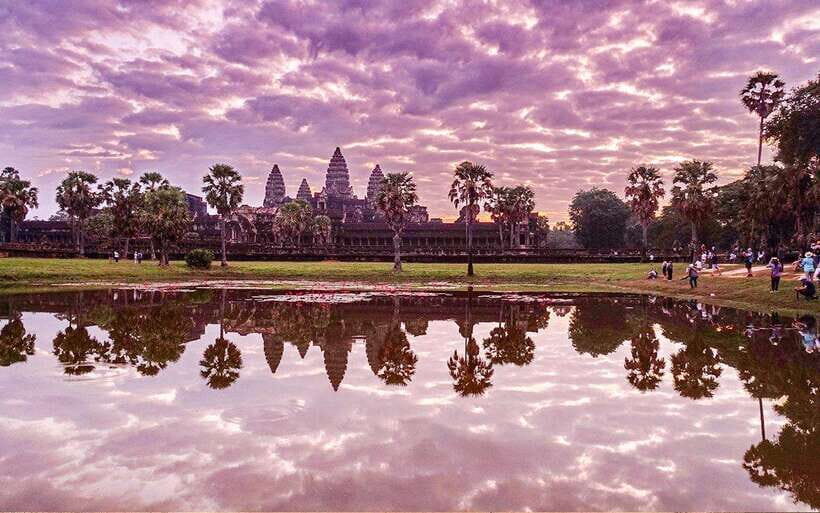
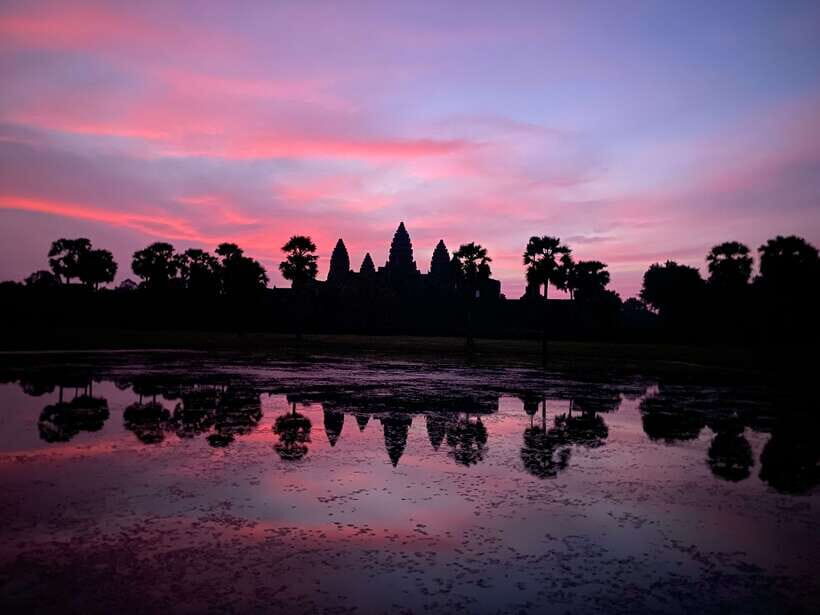
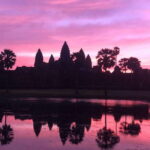
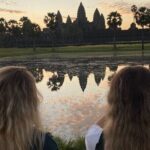
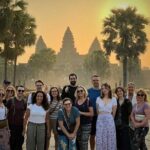
You’ll visit Angkor Wat first. This is the temple most people picture when they think of Siem Reap, and for good reason—it’s the largest Khmer temple, and it brings in over 2 million visitors per year.
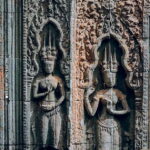
What you’ll like about going early in the day is simple: it gives you more room to look. Angkor Wat isn’t just one view. It’s a layered experience—approach paths, towers, carved details, and the overall layout. Even without being an expert, you can feel the intent behind it: this was built to last, and it was built to impress.
A guide helps here because your eyes will catch on details you might otherwise miss. And because you’re not navigating on your own, you can focus on the temple instead of the logistics.
Ta Prohm: The Jungle-Overgrown Tomb Raider Temple
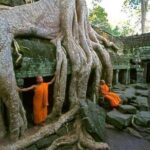
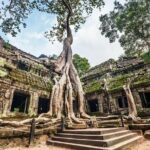
Next up is Ta Prohm, also known as the Tomb Raider temple. It’s famous because the movie set used this dramatic temple as a backdrop, starring Angelina Jolie.
The real attraction is what’s happening to the stone around you. The temple is left to the elements, and you’ll see jungle growth threading through the structure. That “ruin meets nature” look is visually striking, but a good guide makes it easier to understand how it got that way and what it means to preserve—or protect—places like this.
The small downside: Ta Prohm can feel crowded at certain times because it’s so well known. On a guided private flow, though, you’re still better positioned than if you’re constantly trying to figure out timing yourself.
Bayon in Angkor Thom: The Faces and the Walled City Feel
Day 1 ends at Bayon, located in the ancient walled city of Angkor Thom. Bayon is known for the famous stone faces that sit across the towers, facing outward.
This is where the trip shifts from “temple tour” to “how power looked in stone.” The faces are believed to represent the king or the gods watching over people. When you’re standing there, you can see how the design would dominate the city’s center.
If you want the temple experience to feel like a story, Bayon helps you connect the dots. Angkor Wat sets the scale, Ta Prohm shows nature’s grip, and Bayon anchors you in the political and spiritual core of the Khmer Empire.
Day 2 at Koh Ker and Beng Mealea: Where the Pace Changes
Day 2 trades the big mainstream crowds for places that feel more isolated and rugged. You’ll visit Koh Ker first, then Beng Mealea.
This is the day where you slow down naturally. The ruins feel less like an “attraction circuit” and more like you’re exploring parts of Cambodia that happen to be famous.
Koh Ker: The 7-Tier Pyramid That Looks Nothing Like the Others
Koh Ker is a seven-tiered pyramid-style temple. It doesn’t look like the other Khmer temples most visitors expect, and that mismatch is part of what makes it memorable.
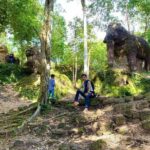
The temple sits in dense jungle, and because of its location, you generally won’t find the same huge waves of tourists. That means you can take your time walking around and looking up, and you can actually enjoy the scale without constantly sharing every viewpoint.
Koh Ker also comes with a fascinating conversation starter. The temple’s unusual form has led some experts to speculate that there’s more to the story than the standard explanations—but it’s still an interpretation, not a confirmed fact. What matters for you on the ground is this: it’s a temple that invites curiosity, and a good guide can help you frame the theories without turning the visit into guesswork.
Beng Mealea: Ruins on an Ancient Road to Preah Khan
Next is Beng Mealea, a larger ruined temple that’s easy to understand once you know what it was connected to.
Beng Mealea was once on an ancient highway linking the main Angkor temples to Preah Khan. Today, you’ll see stunning ruins that were designed to look similarly to Angkor Wat, but on a very different day-to-day reality: broken stone, overgrowth, and paths that feel more like exploration than a polished walkway.
It’s also worth saying what you’re likely to feel at Beng Mealea: space. Because it’s not as famous as Angkor Wat, you often get fewer interruptions. That gives you a better sense of scale—how big the site is, how the ruins sprawl, and why Beng Mealea still matters even if it’s not the headline.
Price and Temple Pass Reality: What You’re Really Paying For
The tour price is $147.44 per person for this 2-day experience in Siem Reap. That price isn’t just for a seat in a vehicle. It covers a tour guide, cold water, and suitable transport for group size, and it keeps things simple so you’re not spending your vacation time negotiating rides.
Where people get surprised is the Temple Pass cost. Temple entry is not included, and you’ll need extra cash.
Here’s the breakdown listed for the Temple Pass:
- 1-day pass: $37 per person
- Koh Ker: $10 per person
- Beng Mealea: $5 per person
So, before you book, I’d do this quick math in your head. If you’re planning two full days with these exact sites, you should budget for the pass fees on top of the tour price. Bring cash so you can handle it without stress.
One more value point: your guide helps you avoid wasted time. Even if you’re paying extra for Temple Passes anyway, the guided route helps you make sure the paid hours actually turn into meaningful seeing—not just lots of driving.
Meeting Point, Pacing, and the Dress Code That Matters
This tour is built to be easy to start. The meeting point is in Siem Reap, and it’s described as easy to find, which helps a lot if you’re not staying right next to the main tourist roads.
Pacing is also a quiet strength. The tour notes that you can go at your own pace on a private format, and you’ll feel that most at Ta Prohm, Koh Ker, and Beng Mealea—places where you’ll naturally want to stop, look longer, and step back to take it all in.
Then there’s the dress code. You must cover your shoulders and knees to enter the temples. That’s not a “nice to have.” It’s a rule. If your plan includes temple photos, also remember that dressing correctly means you’ll spend less time fussing and more time enjoying.
Hydration is addressed for you with cold drinking water. You still should bring a reusable bottle if you like, but the included water takes the edge off day-long walking and heat exposure.
The Guide Factor: Why Explanations Change the Whole Trip
Angkor isn’t hard to look at. What’s hard is knowing what you’re looking at.
A guide helps you translate the stones into meaning. One of the 5-star experiences highlighted how the guide provided in-depth explanations at each site, with real curiosity about the unknowns of the past. That kind of approach makes the visit feel more personal and less like ticking boxes.
There was also a small hiccup in that same experience: a missed communication between Sam and Viator led to a late start. Even with that, the reviewer said the two days were amazing. The takeaway for you is simple: if you’re booked through a platform, confirm your details before the morning of your tour so everything runs smoothly from the first hour.
Who This Tour Is Best For (and Who Might Want Something Else)
This 2-day Angkor Wat, Koh Ker, and Beng Mealea route is a strong fit if you want:
- Full transport covered so your day stays focused on temples
- A guide for context, not just photos
- A mix of major highlights (Angkor Wat, Ta Prohm, Bayon) and quieter exploration (Koh Ker, Beng Mealea)
- A private setup where only your group participates, which helps you move more comfortably
It may be less ideal if you already enjoy planning your own Cambodia logistics day by day and you prefer to build your schedule around your own transport. In that case, you might find this tour slightly more structured than you want.
Also, if you’re very sensitive to extra costs beyond the tour fee, make sure you budget for the Temple Passes up front. The Temple Pass amounts are clearly listed, so there are no surprises—you just need to plan for them.
Should You Book This 2-Day Angkor Wat, Koh Ker & Beng Mealea Tour?
I’d book this tour if you want the convenience of organized transport and you care about understanding what you’re seeing, not just walking past it. The combination of Angkor Wat, Ta Prohm, Bayon on day one with Koh Ker and Beng Mealea on day two is a smart way to balance fame with breathing space.
I’d also feel comfortable booking because the “easy start” details are covered—meeting point in Siem Reap, guide on both days, and cold water included. Just go in knowing the big add-on is the Temple Pass, and bring extra cash so you can handle it quickly.
If you want a guided route that protects your time and keeps the temples the main event, this one makes sense.
FAQ
What is included in the 2-Day Angkor Wat, Koh Ker & Beng Mealea tour?
The tour includes a tour guide, cold drinking water, and suitable transport for your group size.
Are Temple Pass fees included in the price?
No. Temple Pass fees are not included. A 1-day Temple Pass is listed at $37 per person, with Koh Ker at $10 per person and Beng Mealea at $5 per person.
What temples will I see over the two days?
Day 1 includes Angkor Wat, Ta Prohm, and Bayon (in Angkor Thom). Day 2 includes Koh Ker and Beng Mealea.
What dress code do I need for the temples?
You must cover your shoulders and knees to enter the temples.
Is this tour private or shared with other groups?
It’s private. Only your group participates.
What is the cancellation policy?
Free cancellation is offered. You can cancel up to 24 hours in advance for a full refund, based on local experience start time.