REVIEW · SIEM REAP
Angkor Jungle Biking Adventure Private Cycling Tour
Book on GetYourGuide →Operated by About Cambodia Travel and Tours · Bookable on GetYourGuide
One day on two wheels beats the usual Angkor routine. This private cycling tour pairs classic temple stops with a quieter stretch through greenery, so you see Angkor Wat and Bayon with a different pace and a lot more air in your face. I like that it’s built for comfort and control, with a mountain bike plus helmet, and I also like the way the guide connects what you’re riding past to Cambodia’s bigger story.
What to watch: you’ll be pedaling for a long stretch, and some sections can be sandy, so it’s not the right choice if you expect perfectly smooth paths all day.
In This Review
- Key highlights worth your attention
- From hotel pickup to Angkor Wat: how the day actually flows
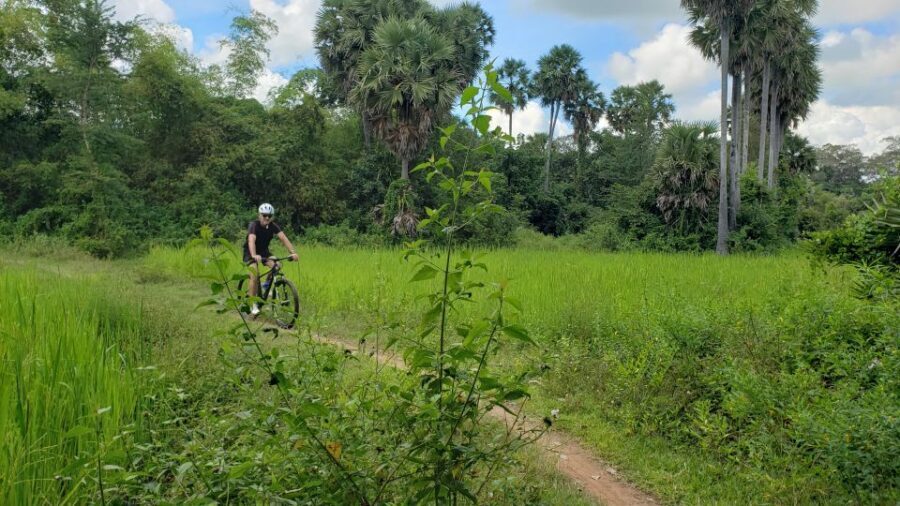
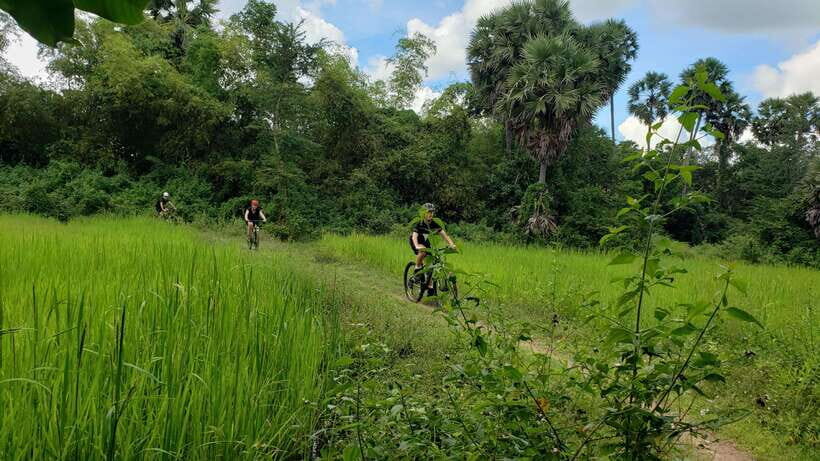
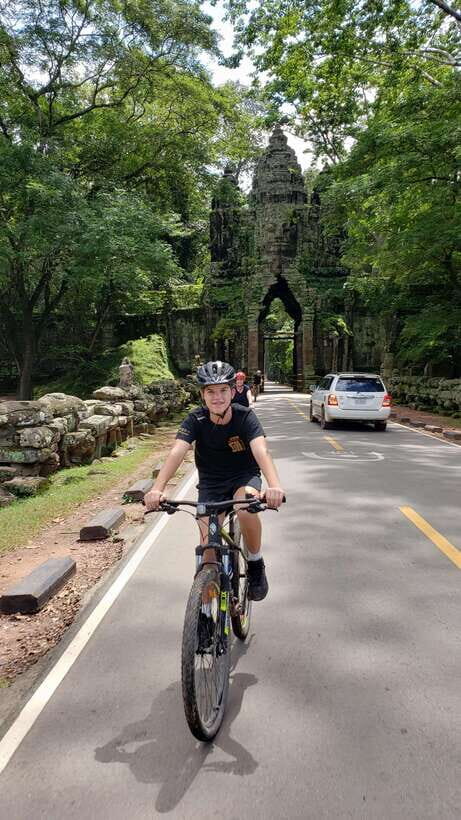
- The cycling part: rainforest riding with real-world conditions
- Angkor Wat stop: iconic views, plus a bike-friendly pace
- Spean neak and the pre-temple warm-up
- Angkor Thom and Bayon: seeing the ancient city as you ride through it
- Royal palace and Terrace of Elephant: the day’s bigger context
- Lunch inside the Angkor park zone: healthy Khmer food break
- Ta Nei and the “jungle-hidden” feel
- Ta Prohm: the Tomb Raider moment, with time to look
- Mur d’enceinte, French Dam, and Victory Gate: smaller stops that add texture
- Prohm Kel and quick culture stops
- Getting back to Siem Reap: relaxed closing, not a sprint
- Bikes, helmets, and who this fits best
- Price and value: $23 can be a deal if you plan for the pass
- Guide quality: why the day feels smooth and understandable
- Quick practical tips before you go
- Should you book the Angkor Jungle Biking Adventure?
- FAQ
- FAQ
- How long is the Angkor Jungle Biking Adventure?
- How far will I bike during the tour?
- Is pickup and drop-off included?
- What language is the tour guide?
- Do I need an Angkor Pass or temple entrance tickets?
- What’s included in the price?
- Are tips included for the guide and driver?
- What kind of bikes do you provide?
- Who shouldn’t take this tour?
Key highlights worth your attention
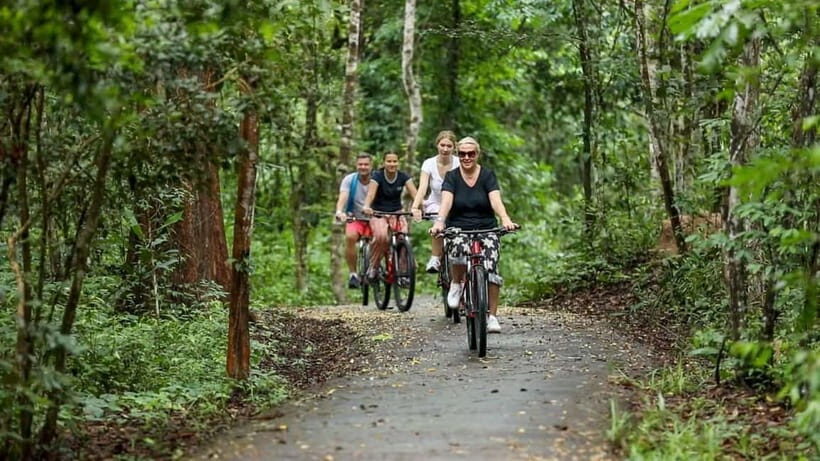
- 25–35 km riding distance with a full day of temple-hopping on bike
- English-speaking cycling tour guide with stop-by-stop context
- Rainforest-style segments that get you closer to the sounds of the natural area
- You get both big icons like Angkor Wat and “caught by the jungle” temples like Ta Prohm
- A practical setup: pickup/drop-off, mountain bike, helmet, and water included
From hotel pickup to Angkor Wat: how the day actually flows
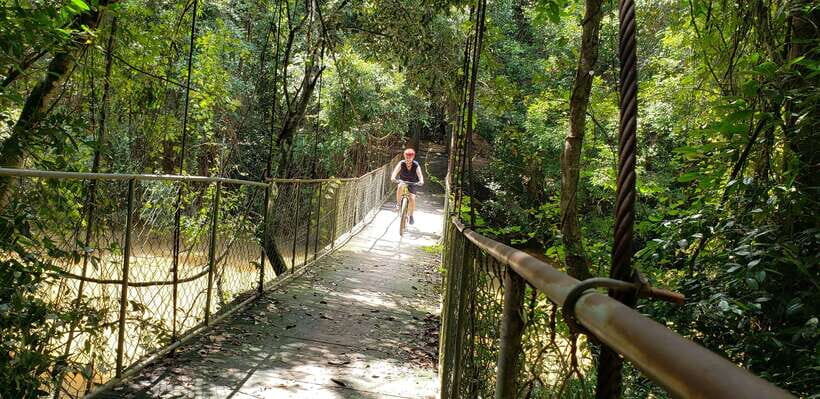
The tour starts after breakfast at your hotel. You meet your cycling guide in the lobby, get a quick tour intro, and are handed your bike and helmet. Then you head out of central Siem Reap toward the north east, building in time to move from everyday city life into the Angkor zone at a steady rhythm instead of rushing.
One detail I really like here is that the day doesn’t feel like you just get deposited at one temple after another. You ride out to the area, pause to check in for entry, and then roll through multiple sites while your body is warmed up. That matters because Angkor isn’t just about photos. Walking the grounds takes energy, and cycling helps you stay mobile without wearing yourself out before the main stops.
Along the way you’ll also spot local life on the riverside road and pass the Angkor Park Pass ticket counters before you move into the temple complex. That’s a smart way to keep the morning from feeling chaotic, especially if you’re still figuring out where to buy or validate your pass.
You can also read our reviews of more cycling tours in Siem Reap
The cycling part: rainforest riding with real-world conditions
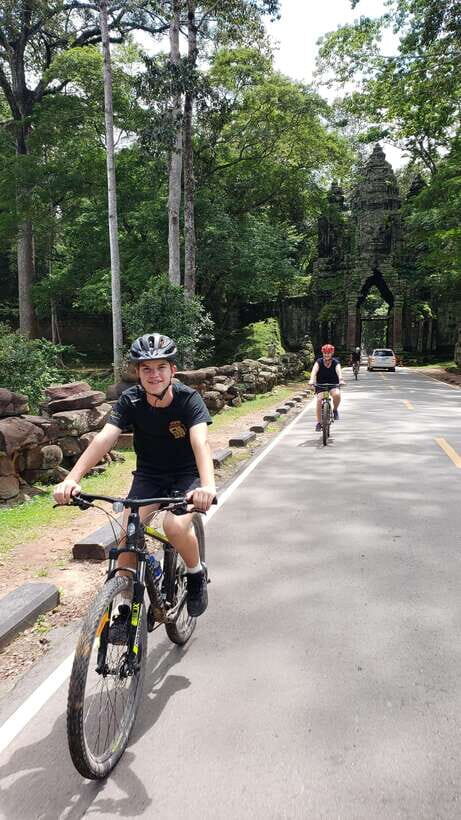
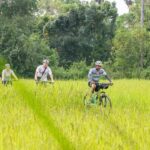
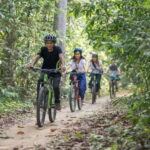
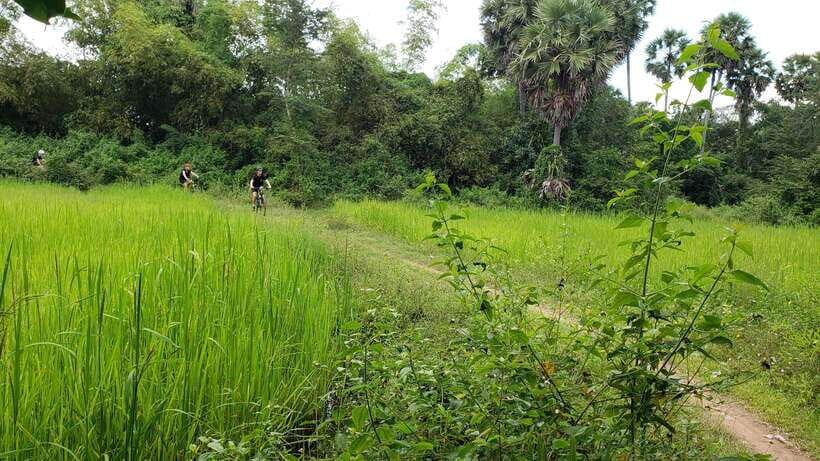
This is an adventure style ride. You’re not doing a technical mountain-bike course, but you are riding through outdoor terrain. The tour description focuses on an “undisturbed” path and a closer, greener feel than you get when you stay strictly on paved roads.
From the ride setup, you can expect:
- A mountain bike fit for the day’s mixed surfaces
- Time outdoors where you can hear nature as you pass through greenery
- Stops at each main site so you don’t just pedal past viewpoints
A practical note from real-day feedback: parts of the trail can be a bit sandy. If you’re someone who hates slipping on loose ground, wear shoes with grip and go slow through any soft patches. Also plan to hydrate, because even on a shaded stretch you’ll still be working for the full day.
Angkor Wat stop: iconic views, plus a bike-friendly pace
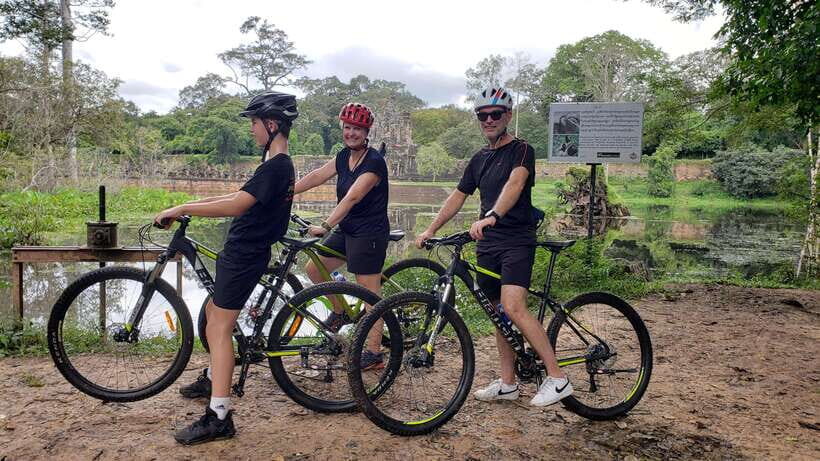
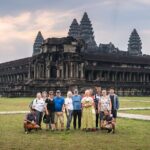
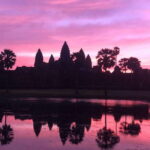
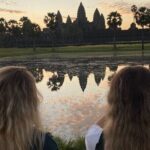
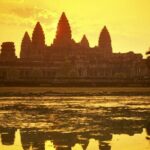
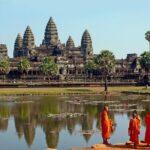
Angkor Wat is scheduled as a longer visit, giving you time to see it properly rather than do a speed-run. You’ll have time for photos, a guided visit, and scenic viewing as you bike in and around the area.
The value of including Angkor Wat here is that it becomes your baseline. After you’ve seen it, the rest of Angkor changes color. Later stops feel more personal because you’ve already learned where you are in the layout and what the major structures are meant to represent.
Also, cycling changes the feel of Angkor Wat. You’re not just walking from gate to gate. You’re moving between viewpoints, which helps the day feel like a journey instead of a checklist.
Spean neak and the pre-temple warm-up
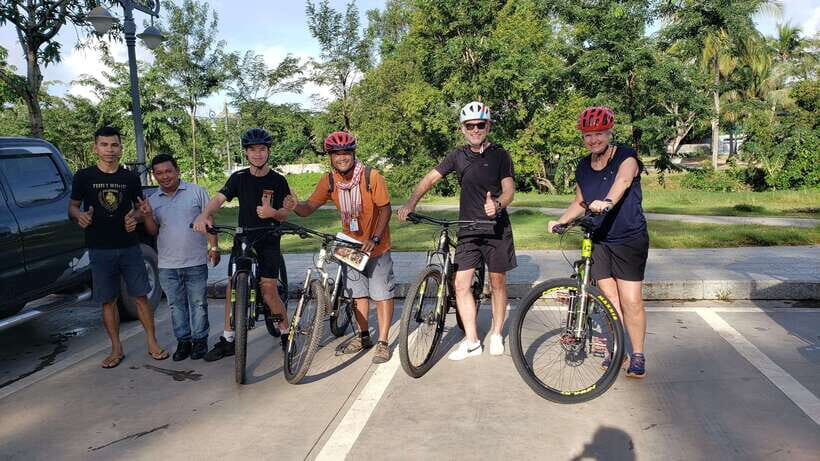
Before the big temples, you start with Spean neak, plus a bike tour safety briefing. This short guided segment matters more than you might think. It’s your moment to:
- Get comfortable with the bike setup
- Understand how to handle turns and stops with the group
- Set expectations for the day’s pace and terrain
It’s also your first chance to hear context. The guide’s commentary is designed to link what you’re seeing now to Cambodia’s past, and that framing makes later temple details easier to follow when you’re standing on site.
Angkor Thom and Bayon: seeing the ancient city as you ride through it
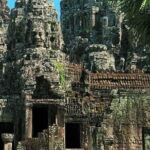
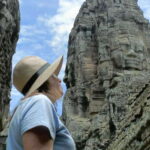
After Angkor Wat, the day continues into the ancient city zone, with time at Angkor Thom, and then the signature stop at Bayon Temple.
This part of the ride is where the “different side of Angkor” idea becomes real. Angkor Thom is a large, layered area, and cycling helps you move across distance without burning your legs too early. Then Bayon hits you in a very specific way: it’s not just about architecture, it’s about being in the middle of it.
What I like about this sequence is that it keeps momentum. Instead of only arriving by foot, you keep your sense of direction and spacing as you move through the zone. You’ll get guided history at stops, plus time for exploration and sightseeing on foot where it counts.
You can also read our reviews of more private tours in Siem Reap
Royal palace and Terrace of Elephant: the day’s bigger context
The route includes time for what the description calls the Royal palace and the Terrace of Elephant. Even if you’re not a “structure scholar,” it helps to have the guide’s storytelling during your visit, because these areas can feel abstract when you’re just staring at stones.
This is the part where you start connecting:
- How the complexes relate to each other
- Why certain viewpoints and routes are emphasized in the layout
- How the city functions in the bigger Angkor story
When you get explanation in real time, you spend less time guessing and more time looking.
Lunch inside the Angkor park zone: healthy Khmer food break
After the earlier temple stops and the Angkor Thom area, the tour includes a lunch break at a local restaurant inside the Angkor Park area. The food is described as authentic and healthy Khmer cuisine.
One practical reality: lunch may be extra, even though the tour schedule builds in the time to eat. If you’re budgeting tight, plan for that. The upside is that it keeps you in the zone so you’re not losing hours commuting back toward town.
Ta Nei and the “jungle-hidden” feel
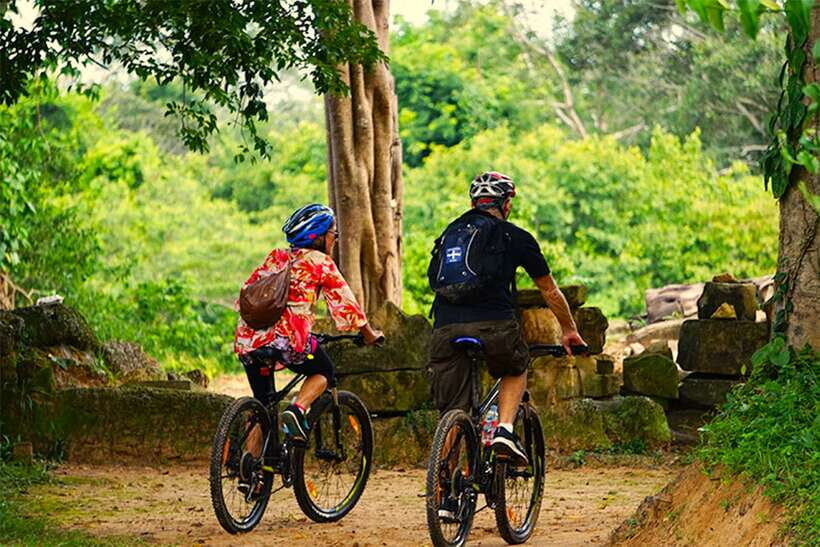
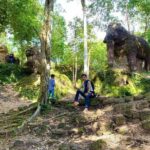
Next comes Ta Nei Temple. The tour description emphasizes that it’s hiding deeply in the jungle, which is exactly why this stop is worth putting on the schedule.
When you reach temples like this later in the day, you’re already warmed up by what you saw earlier. Then Ta Nei gives you contrast: you’re trading the most famous front-facing scenes for something more atmospheric. You get photo time, guided exploration, sightseeing, and time to enjoy the ride segments that bring you closer to greenery.
Even the short stop lengths here feel meaningful because the temple style is different. It’s not just another stop; it’s a shift in mood.
Ta Prohm: the Tomb Raider moment, with time to look
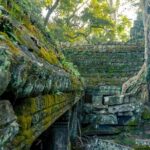
Then you go to Ta Prohm Temple, one of the most famous for a reason. The tour is set up so you’ll have a solid visit length, with time for photos, guided viewing, and walking around the crumbling structures that the jungle has claimed.
The big win with Ta Prohm on a biking day is pacing. You’re not trapped by a single tight circuit. You can take a breath, look for angles, then move on without feeling rushed. If you love dramatic architecture and want time to watch light fall through the trees, this stop is where your day will feel most cinematic.
Mur d’enceinte, French Dam, and Victory Gate: smaller stops that add texture
After Ta Prohm, the route includes a sequence of stops that may look shorter on paper, but each one adds a piece of the puzzle.
You’ll have stops for:
- Mur d’enceinte (short visit with guided context)
- French Dam (also known as ទំនប់ទឹកបារាំង), including photo time and a guided look
- Victory Gate, with guided sightseeing and an on-the-spot feel for how the complex connects together
These are the kinds of stops that can make or break a day. Big attractions are great, but the “in-between” points teach you how people moved, where boundaries were, and how the Angkor layout works as a whole.
Prohm Kel and quick culture stops
The schedule also includes Prohm Kel Temple for a shorter guided stop, plus short stops like Nara Art and a café stop with local script (ហាងកាហ្វេ ម៉ូយម៉ូយ).
These segments are brief, but they add a practical touch: you’re not only biking and temples. You get small moments that break up the mental load so the day doesn’t blur into one long temple circuit.
Getting back to Siem Reap: relaxed closing, not a sprint
After Ta Prohm and the later stops, you ride back toward town and finish with tuk tuk time and drop-off at your hotel area. The expected return is around 03:30 PM.
That timing is important. You still have a lot of afternoon left in Siem Reap if you want to do dinner plans, a massage, or a quick wander near the river. Cycling tours can sometimes feel like a full-body endurance event that steals your evening. This one is paced so you can actually enjoy the rest of the day.
Bikes, helmets, and who this fits best
This tour includes a mountain bike and helmet, plus drinking water. Bike sizes range from children to XXL, and there are tagalong bikes for less confident cycling children.
Because of that, this can work for families who have kids old enough for the ride, but there are limits: it’s not suitable for children under 5, and it’s not suitable for pregnant women.
If you’re a solo traveler, you’ll likely still get a private or small-group feel. If you’re traveling with friends or family and want control over questions and pacing, the private option is a strong match.
Price and value: $23 can be a deal if you plan for the pass
At $23 per person for an 8-hour private or small-group cycling tour, the main value sits in what’s included:
- Hotel pickup and drop-off
- Professional English-speaking cycling tour guide
- Mountain bike and helmet
- Drinking water
What’s not included is the Angkor temple entrance ticket. You’ll need an Angkor Pass for this tour. If you don’t have one already, you can buy upon entry to the Angkor Temple Zone on the morning of the tour, or you can purchase online through the official Angkor Enterprise site.
Here’s the trade-off: the bike tour package is affordable, but you have to budget for the pass. If you already planned to visit multiple temples anyway, cycling is a cost-effective way to add a memorable “how you get there” element rather than only paying for walking visits.
Guide quality: why the day feels smooth and understandable
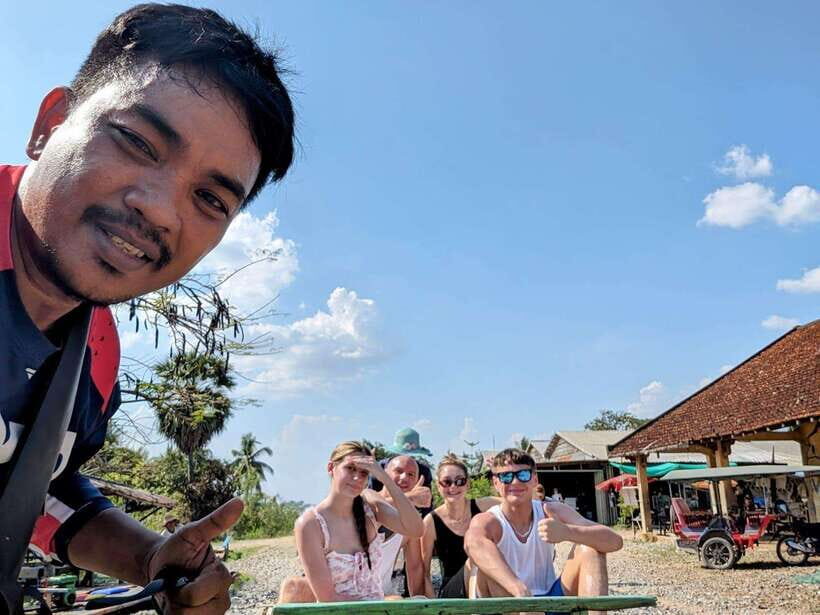
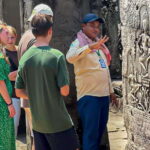
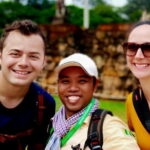
One reason people rate this tour highly is the guide experience. A guide named Liap is mentioned as friendly and helpful, and there’s also praise for how he explained the bike setup and wheels clearly.
That matters because a smooth day depends on small moments:
- You know how to handle your bike
- You understand where to ride and how to stop safely
- The guide can answer questions without turning the day into confusion
If you’re nervous about riding, a guide who explains things clearly can be the difference between thinking you’re stuck and feeling in control.
Quick practical tips before you go
- Wear shoes with decent grip for possible sandy sections.
- Bring sunscreen and sunglasses. Even on a greener route, you’ll get exposed time.
- Set expectations: this is an active day. You’re looking at temple stops, but you are also doing real cycling.
- Budget for the Angkor Pass ahead of time, so the day doesn’t hinge on last-minute uncertainty.
Should you book the Angkor Jungle Biking Adventure?
Book it if you want Angkor to feel like a journey, not a bus loop. You’ll get 25–35 km of cycling, a mix of famous and jungle-feeling temples, and guided commentary that helps temple details make sense while you’re on site.
Skip it if you only want easy, flat walking or if you dislike loose footing. Also consider your comfort level with longer riding time.
If you’re in Siem Reap and ready to trade some comfort for a more alive Angkor day, this is a smart-value way to do it.
FAQ
FAQ
How long is the Angkor Jungle Biking Adventure?
The duration is listed as 8 hours, and the exact starting time depends on availability.
How far will I bike during the tour?
The biking distance is between 25 and 35 KM from the start to the end.
Is pickup and drop-off included?
Yes. The tour includes free pickup and drop-off at your hotel. You’ll need to provide your hotel name and hotel address for the meeting point.
What language is the tour guide?
The live tour guide speaks English.
Do I need an Angkor Pass or temple entrance tickets?
Yes. Temple entrance tickets are not included. You’ll need an Angkor Pass for this tour, which you can purchase at the Angkor Temple Zone on the morning of the tour or online from the official Angkor Enterprise website.
What’s included in the price?
Included items are pickup and drop-off, a professional English-speaking cycling tour guide, a mountain bike and helmet, and drinking water.
Are tips included for the guide and driver?
No. Tips for the tour guide and driver are not included.
What kind of bikes do you provide?
You’ll be provided a mountain bike and helmet, with a full range of bike sizes from children’s to XXL. Tagalong bikes are available for less confident cycling children.
Who shouldn’t take this tour?
It’s not suitable for children under 5 years, and it’s not suitable for pregnant women.