REVIEW · SIEM REAP
2-Day Temple visit and Floating village from Siem Reap
Book on Viator →Operated by Siem Reap Angkor Travel and Tour · Bookable on Viator
Early mornings in Angkor make it worth it. This 2-day Siem Reap tour is built for an easy rhythm: private air-conditioned transport, a solid Angkor-focused route, and a guide who helps you connect the dots as you move from Ta Prohm to Angkor Thom. I especially like the way it mixes big temple highlights with quieter village time, and I like the practical touches like cold water and mobile tickets for check-in. One thing to watch: temple entrance fees, lunch, and accommodation are not included, so you’ll want to budget for those separately—and sunrise-style timings can mean an early start.
On day 1, the itinerary leans into the classic wow-factor. You’ll have a chance to get to Angkor Wat early for sunrise photos, then walk through the jungle temple at Ta Prohm and finish the day around the major sights of Angkor Thom. If you get a guide like Sopheak—a name that shows up in real feedback for being friendly and flexible—you’ll feel less rushed and more like you’re traveling with someone who actually knows how to pace the day.
Day 2 shifts to the softer, pink-toned temple and life beyond Angkor. Banteay Srei is the centerpiece, followed by a hands-on palm sugar stop and a visit to the floating village with fishing routines plus options to see fish and crocodile farms. The only possible drawback here is that the tour includes several stops, so if you hate “moving day” energy, you’ll want to ask your guide to prioritize what you care about most—fast or slow.
In This Review
- Key highlights you’ll feel in real life
- Price and what you’re actually paying for
- Day 1: Angkor Wat sunrise, Ta Prohm walking time, and Angkor Thom’s big sights
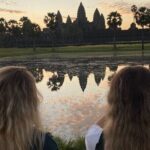
- Angkor Wat early morning
- Ta Prohm: the jungle temple walk
- Lunch near Ta Prohm
- Angkor Thom: Bayon, Elephant Terrace, and more
- Day 1 evening: Apsara dancing with dinner at 6:30 pm
- Day 2: Pink Banteay Srei, palm sugar tasting, and local market time
- Banteay Srei (Ladies Temple)
- Palm sugar production and tasting stop
- Floating village on bamboo houses: daily life, fish farms, crocodiles, and sunset ideas
- Why this part feels different from Angkor
- Logistics that make the tour feel easy
- Who this tour is best for
- Should you book this 2-day Angkor + floating village tour?
- FAQ
- What does the tour price cover?
- How many people can be in the group?
- Where does pickup happen, and what time does the tour start?
- Are mobile tickets included?
- Do I need to pay for temple entrance fees?
- Is the Apsara dancing show included?
- What’s included on Day 2 besides Banteay Srei?
- What’s the dress code?
Key highlights you’ll feel in real life
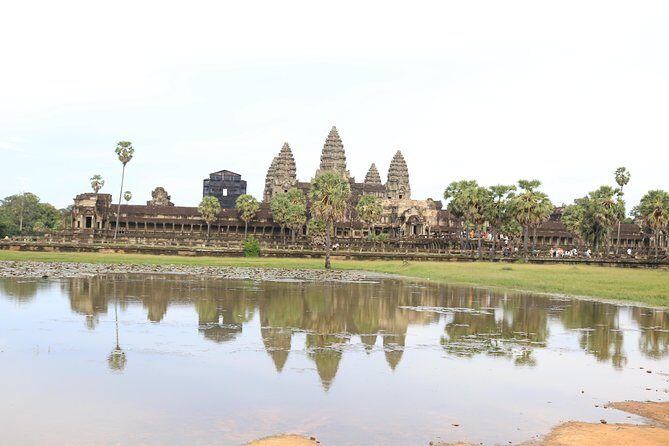
- Early Angkor Wat timing for sunrise photo opportunities, instead of arriving after the light is gone
- Ta Prohm jungle temple walk that slows you down in the right way
- Angkor Thom landmarks like Bayon and the Elephant Terrace, with a guide to make sense of what you’re seeing
- Banteay Srei (pink temple) built in the 10th century under the Hindu period
- Palm sugar production + local market stop, with tasting time
- Floating village on bamboo houses plus optional fish farm and crocodile farm sights
Price and what you’re actually paying for
This tour is priced at $153.85 per group (up to 4 people). That grouping matters. For most people visiting Angkor, the big costs aren’t just “sightseeing”—it’s transport time, a guide to translate the layout and meaning, and getting you between far-flung sites without losing hours in heat and traffic.
Here’s what you get inside that per-group price:
- Private air-conditioned vehicle
- English-speaking guide
- Cold water during the tour
What’s not included:
- Temple entrance fees
- Lunch
- Accommodation
- Apsara dancing show (it’s listed as optional)
- Personal expenses
So the best way to think about value is simple: this is paying for convenience and a guided route across two days. If you were to do the same plan on your own, you’d still need transport and a way to figure out where to go and when. If you want the day to feel organized—especially for sunrise—this price can make sense.
The other “value” piece is the pacing. A private car plus an English guide isn’t just about comfort. It’s also about time-saving. You don’t have to guess the best order of sights or fight for clarity once you’re standing in the middle of stone monuments.
A few more Siem Reap tours and experiences worth a look
Day 1: Angkor Wat sunrise, Ta Prohm walking time, and Angkor Thom’s big sights
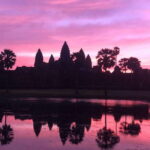
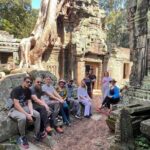
Day 1 starts with pickup from Siem Reap City at 8:30 am. From there, the plan is structured to get you toward Angkor Wat very early for sunrise photos. Exact timing can vary with traffic and light, but the tour is set up for the early photo chance rather than a late-morning rush.
Angkor Wat early morning
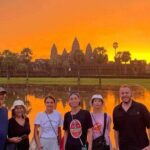
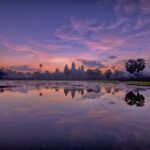
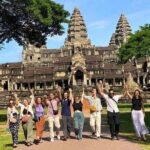
Angkor Wat is the iconic start for a reason. Even if you’ve seen photos, getting there at the right hour changes the mood. The stone looks different, shadows stretch out, and you’re less likely to feel like you’re fighting a crowd. The guide also helps you focus on what’s worth photographing versus what’s just scenery.
A practical note: sunrise means you’re outside for at least part of the early morning, and Cambodia’s daytime heat doesn’t wait. The vehicle is air-conditioned, but you’ll still want to be ready for outdoor walking time.
Ta Prohm: the jungle temple walk
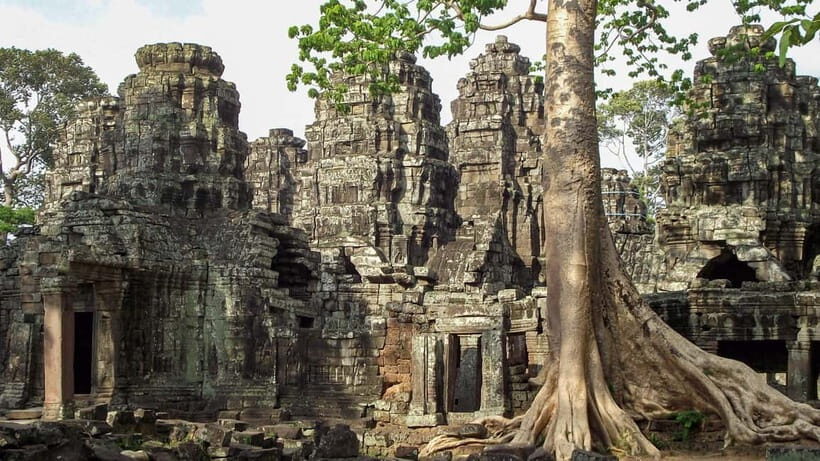
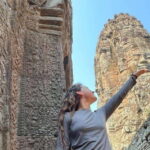
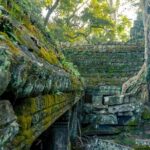
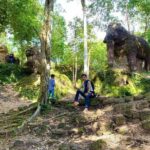
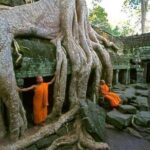
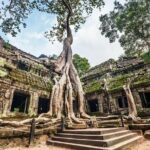
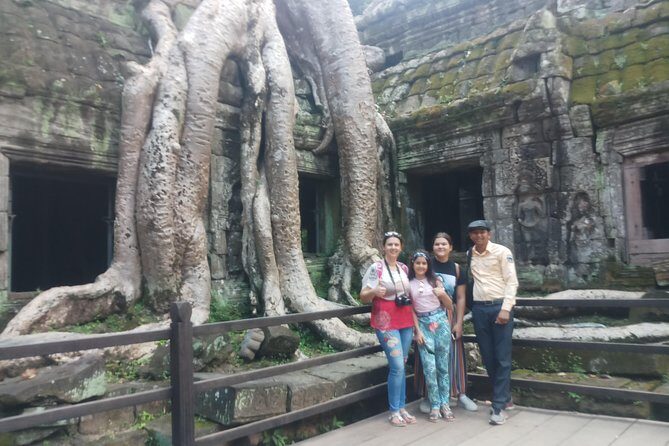
After the sunrise window, the route moves to Ta Prohm, often called the jungle temple. This part is more than a photo stop. The itinerary includes a walk with your guide for about 2 hours, which is long enough to actually notice details—like how the roots and stonework share the same space.
This is one of the best parts of the day because it breaks up the “grid of major monuments.” Instead of trying to see everything at once, you get time to slow down and look.
A drawback to consider: Ta Prohm walking can feel warm and tiring if you’re not used to temple-scale distances. That’s where having a guide who keeps you moving in the right order matters—so you’re not wandering and losing time.
Lunch near Ta Prohm
Lunch is scheduled around 12:00 pm at a local restaurant near the temple. Lunch is not included in the tour price, so you’ll pay for it separately. The upside is you don’t have to plan it mid-day after you’re already exhausted.
Angkor Thom: Bayon, Elephant Terrace, and more
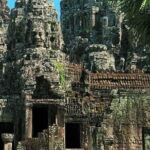
Then comes Angkor Thom, the last city of the Angkor period—meaning Big City. The tour lists major sights such as:
- Bayon
- Elephant Terrace
- Phimean Akas
- Baphoun temple
- small main temples along the way
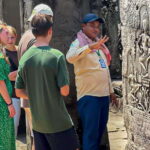
This section works well because it’s a set of related stops rather than random hopping. With a guide, you’re not just seeing carved faces and terraces—you’re learning how the complex functions and what you’re looking at.
If you like structure—big, recognizable anchors plus smaller supporting temples—this is the kind of day 1 you’ll enjoy.
Day 1 evening: Apsara dancing with dinner at 6:30 pm
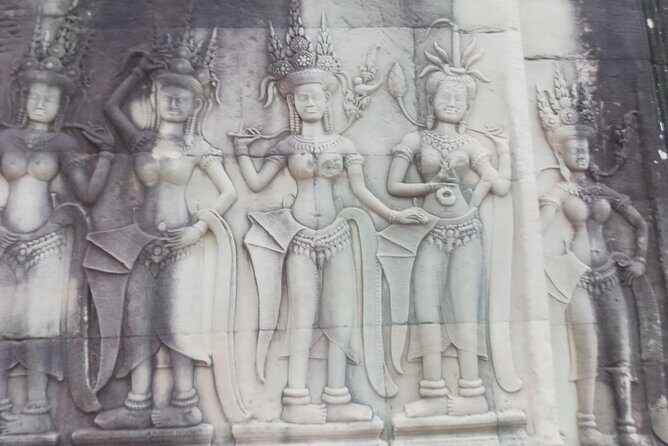
The day 1 evening has an Apsara dancing show with buffet dinner, scheduled to begin around 6:30 pm and lasting about 1.5 hours for the dancing portion.
Two key things here:
- The Apsara show is listed as optional in what’s included.
- The tour sets expectations with a formal dress code, which you should treat seriously if you don’t want to be stressed at the last minute.
If you’re someone who likes seeing how traditions connect to the Angkor era, this is a nice contrast. Day 1 is stone, heat, and ruins. The show is movement and music—same era, different language.
If you’d rather skip it, you still get the temple-heavy day. Just confirm with your guide how the schedule shifts if you choose not to attend.
Day 2: Pink Banteay Srei, palm sugar tasting, and local market time
Day 2 starts with a shift away from the biggest Angkor crowd magnets and toward a more delicate style.
Banteay Srei (Ladies Temple)
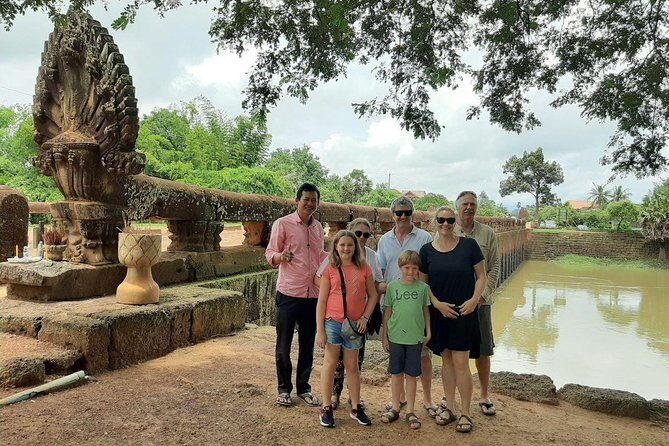
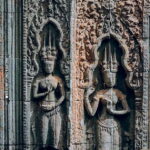
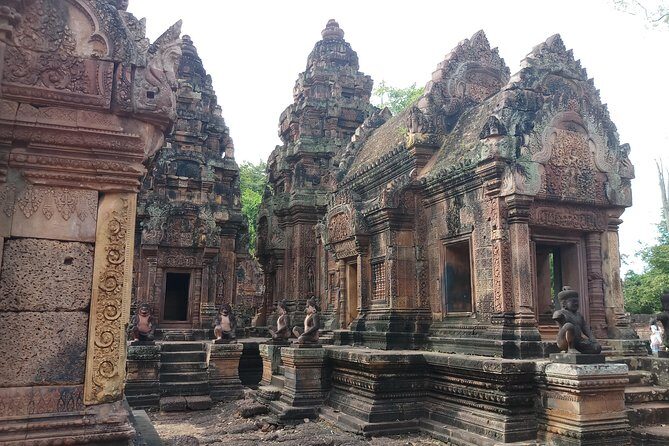
The centerpiece is Banteay Srei, described as the best-known pink temple. It’s tied to the 10th century and the Hindu reign. If you like temples that look more intricate rather than more massive, this is the one.
This temple also tends to reward a slower pace. The guide can help you understand what you’re seeing in the carvings and structure, instead of you standing there trying to figure it out alone.
Palm sugar production and tasting stop
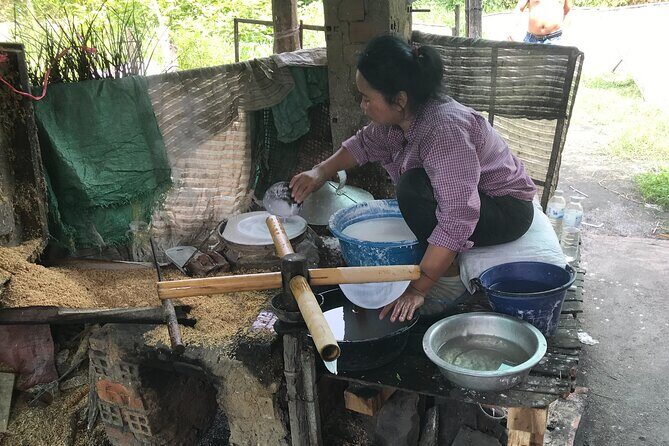
Next comes a stop for palm sugar—both watching the process and tasting. The itinerary mentions visiting a local exporting company, then testing palm join (palm-related products) and exploring a local market.
This is one of those stops that quietly makes the tour more complete. Temple tours can start to feel like a single theme all day. Palm sugar adds a human, everyday connection to the region’s production and trade.
Also, it’s a chance to interact beyond temple grounds. If you like practical, real-life moments—watching something made and sampling what’s produced—this will land well.
If you’re not a fan of shopping-style stops, the key is to treat it as a viewing/tasting break, not a pressure event. Ask your guide what’s most worth seeing in the market area and stick to that.
Floating village on bamboo houses: daily life, fish farms, crocodiles, and sunset ideas
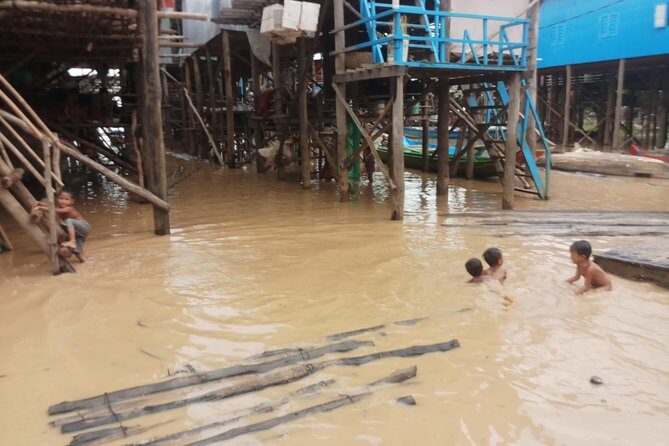
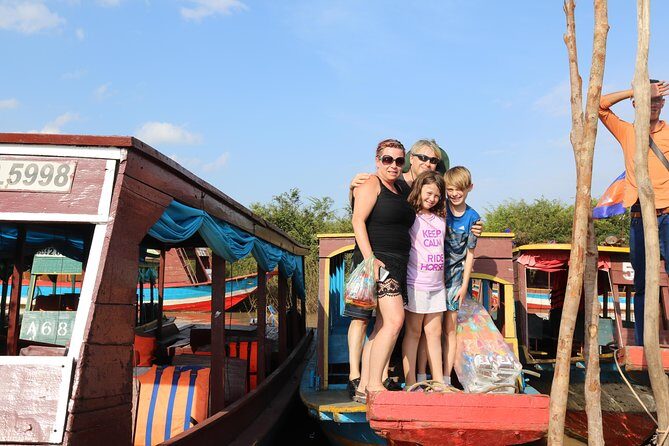
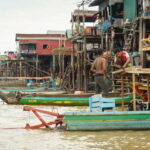
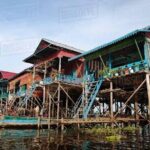
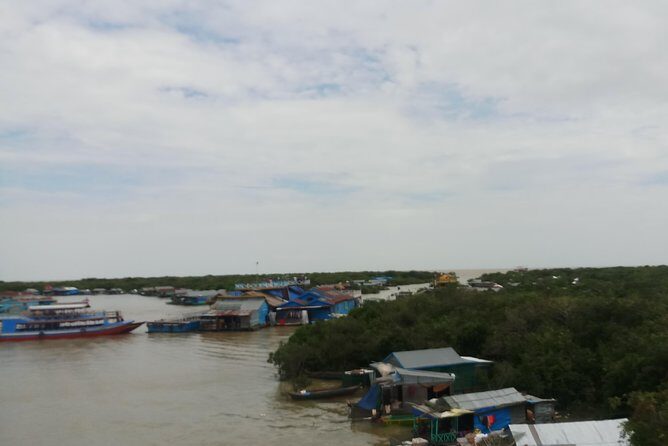
The last major portion is the floating village. The itinerary describes people living on floating bamboo houses, with everyday fishing routines. This is where the trip expands beyond temples into how communities live with water, not just around it.
You’ll also have options to see:
- a fish farm
- a crocodile farm (if you wish to visit)
And if sunset time is possible in your schedule, the guide can help you set up a sunset at the lake. The tour notes this is much appreciated if you tell your guide ahead of time.
Why this part feels different from Angkor
Angkor temples can be overwhelming in scale. The floating village gives you a different kind of perspective—small, functional, lived-in. You’re not just looking at structures. You’re observing daily routines that make sense in context.
A minor consideration: because it’s a different setting than temples, the pace can feel less predictable depending on weather and the day’s boat or viewing conditions. That’s why having a flexible guide matters. Feedback tied to guides like Sopheak highlights exactly that kind of helpful flexibility.
Logistics that make the tour feel easy
This is a private tour/activity, with only your group participating, and it includes a private air-conditioned car plus cold water during the day. That matters a lot in Siem Reap, where the heat is real and the distances between sites add up.
The tour also uses mobile tickets for a convenient check-in experience. If you hate hunting for paper vouchers, this is a welcome detail.
Another thing I like: the plan is written as a sequence, not a random list. When stops connect logically—Ta Prohm walk, then Angkor Thom, then Banteay Srei and beyond—it reduces stress. You’re not constantly asking where you go next.
Who this tour is best for
You’ll likely be happiest with this tour if:
- You want two full days that cover major Angkor highlights without self-planning every route
- You care about having an English guide to explain what you’re seeing, not just take photos
- You want variety: temples in different styles plus a real community visit at the floating village
You might want to think twice if:
- You dislike temple walking or want fewer hours outdoors
- You prefer a lighter schedule with fewer stops
- You’re trying to keep costs ultra-low (temple entrance fees and lunch are not included)
Should you book this 2-day Angkor + floating village tour?
Yes—if you want a well-paced, organized plan that hits the big names and still includes real-life Cambodia in the floating village. The standout strength is the combination of early Angkor Wat timing, a proper Ta Prohm walk, and a guide who can steer you through Angkor Thom. The palm sugar stop and floating village add meaning beyond ruins.
I’d book it especially if you value convenience: private air-conditioned transport, cold water, mobile ticket check-in, and a route that helps you avoid feeling lost across two temple-heavy days. Just go in knowing that temple entrance fees, lunch, and accommodation are separate, and that the Apsara show (with its formal dress code) is optional.
If you want, tell me your travel month and whether you want the Apsara show. I can suggest what to prioritize first so your two days feel exactly like you want.
FAQ
What does the tour price cover?
It covers a private air-conditioned car, an English-speaking guide, and cold water during the tour. Temple entrance fees, lunch, and accommodation are not included.
How many people can be in the group?
It’s a private tour/activity, and the price is listed per group for up to 4 people.
Where does pickup happen, and what time does the tour start?
Pickup is offered in Siem Reap City, with a start time of 8:30 am.
Are mobile tickets included?
Yes. Mobile tickets are available for a convenient check-in experience.
Do I need to pay for temple entrance fees?
Yes. Temple entrance fee(s) are not included, so you’ll need to budget for them separately.
Is the Apsara dancing show included?
The Apsara dancing show is listed as optional. The show with buffet dinner starts at about 6:30 pm and the dancing portion takes around 1 hour and 30 minutes.
What’s included on Day 2 besides Banteay Srei?
Day 2 includes a stop for palm sugar production (at a local exporting company) with tasting and market time, plus a floating village visit where you can also see fish and crocodile farms if you want. Sunset by the lake can be added if you tell your guide.
What’s the dress code?
The tour indicates a formal dress code.