REVIEW · SIEM REAP
Afternoon Angkor Wat Private Tour with Sunset
Book on Viator →Operated by Travel to Inspire · Bookable on Viator
Angkor feels like a movie set, but logistics can be messy—this tour keeps it smooth and informed. You get guided time at Angkor Wat (inside plus outside) and Ta Prohm (the tree-covered ruins), with a local English-speaking guide calling out what you’re actually looking at. The one thing to plan for is the temples and the sunset climb can mean heat, crowds, and walking, so wear real shoes and bring water.
This is a private afternoon format, so you’re not stuck waiting on a big group. Hotel pickup and drop-off, an air-conditioned car, and cold towels help you stay comfortable while the day runs from late afternoon into sunset. The package also takes tickets out of the equation, which can be a drawback if you prefer everything pre-paid.
If you like your Angkor days focused and well paced—rather than rushed and chaotic—this is a strong value at $59 per person for roughly 5 to 7 hours.
In This Review
- Key highlights I’d bookmark before you go
- How this afternoon plan saves you time (and stress)
- Stop 1: Angkor Wat Temple, inside and outside with real context
- What to watch out for at Angkor Wat
- Stop 2: Ta Prohm, the Tomb Raider-style ruins that feel more human
- The practical reality here
- Stop 3: Bayon Temple and the faces of Angkor Thom
- A quick heads-up
- Stop 4: Angkor Thom South Gate (Tonle Oum) and the city gates
- Why 30 minutes is enough
- Stop 5: Phnom Bakheng Mountain for sunset views
- Sunset tip that matters
- The guide and driver factor: why Thom-style pacing feels different
- Value check: is $59 per person fair?
- What to wear and bring so you enjoy every stop
- Who this tour is best for
- Should you book this Afternoon Angkor Wat Private Tour with Sunset?
- FAQ
- Is hotel pickup and drop-off included?
- What does the tour include?
- Are temple admission tickets included?
- How long is the tour?
- What’s the itinerary?
- Do I need to dress a certain way?
- Is the tour private?
- Is cancellation free?
Key highlights I’d bookmark before you go
- You start at Angkor Wat with guided inside access so you’re not just taking photos.
- Ta Prohm’s tree roots and corridors are easier to understand when someone explains the layout.
- Bayon’s faces at Angkor Thom feel less random with a guide walking you through the symbolism and geography.
- You get sunset at Phnom Bakheng, not just another quick stop.
- Cold towels and hotel pickup help you last through the heat and crowd cycles.
How this afternoon plan saves you time (and stress)
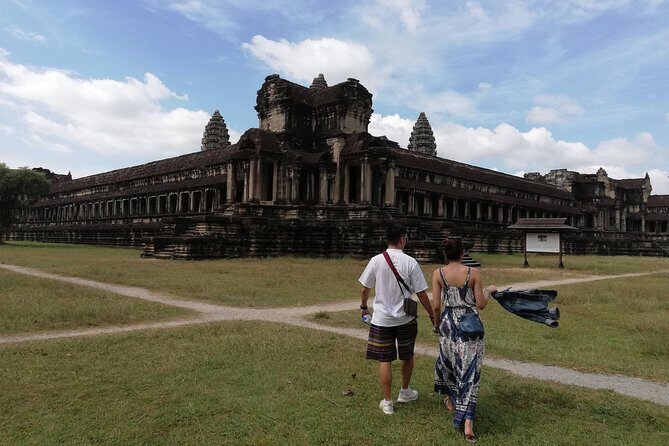
Angkor days can turn into a choose-your-own-adventure where the wrong turn costs you an hour. This tour is designed to keep you moving in a sensible loop: Angkor Wat first, then the best-known follow-ups within the larger Angkor circuit, and finally sunset from Phnom Bakheng Mountain.
At about 5 to 7 hours, you’re not trapped for an entire all-day grind. That matters because late afternoon is usually when your energy starts to dip. With hotel pickup and an air-conditioned car, plus drinking water and cold towels, you arrive at the temples with less wear-and-tear.
It’s also a private tour, meaning it’s only your group. That’s a big deal when the temples get busy, because your guide can adjust pacing without negotiating around dozens of strangers.
One note: temple entries are not included, so you’ll need to budget for tickets separately. If you hate ticket lines, plan to handle them in advance where possible, so you don’t feel like you’re burning time at the wrong moment.
You can also read our reviews of more private tours in Siem Reap
Stop 1: Angkor Wat Temple, inside and outside with real context
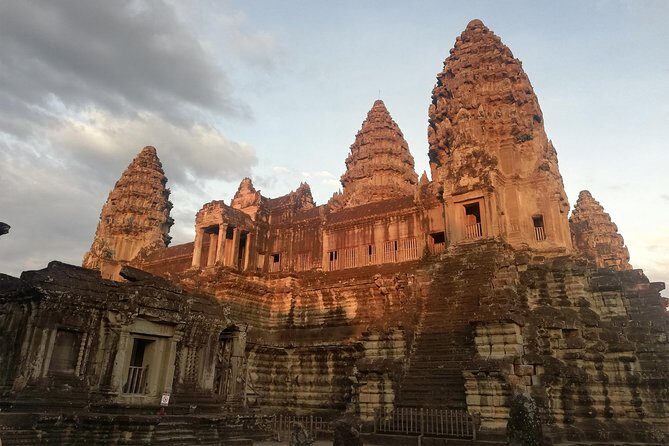
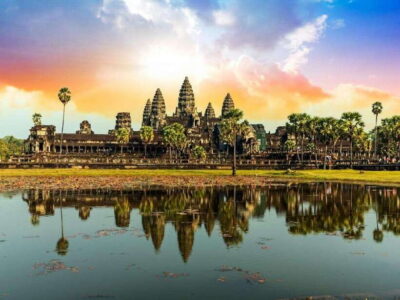
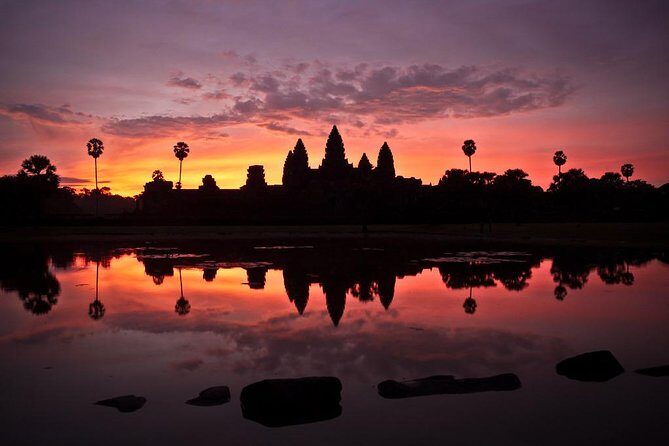
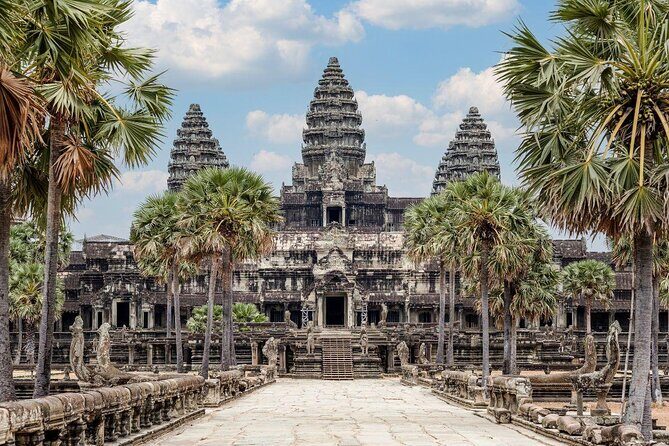
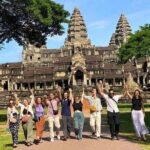
Angkor Wat isn’t just a pretty landmark. It’s built like a symbol engine—geometry, layers, and stories stacked into stone. Your visit begins with outside views, then you move into the temple area with a local expert who explains the history as you go.
You’ll learn what to notice: Angkor Wat was built in the early 12th century by King Suryavarman II. The site is arranged in three levels with five main towers. And yes, it’s also a national symbol of Cambodia and even appears on the country’s flag, tied to the idea of the soul of the nation.
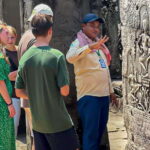
This is where a good guide earns their money. From the ground, it’s easy to only see the most photographed angle. Inside, the story makes the layout click: why the paths and levels feel “designed,” and how the monument’s structure supports that.
A detail I like from the experience feedback: the guide named Thom is known for steering people toward the less busy side of Angkor Wat first. That isn’t just comfort. It’s how you get clearer sightlines and fewer interruptions while you’re trying to understand what you’re standing in front of.
Time on this stop is about 2 hours. That’s long enough to get oriented and still leave room for the rest of the circuit before sunset ramps up.
What to watch out for at Angkor Wat
- You must cover knees and shoulders when entering temples.
- This part of the day can be crowded, so staying flexible and following your guide’s routing matters.
- Bring your water habit—heat makes it hard to concentrate when you’re thirsty.
Stop 2: Ta Prohm, the Tomb Raider-style ruins that feel more human
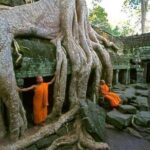
Ta Prohm is the stop people recognize fast: tree cover, root bridges, and stone gradually losing the battle with nature. But the best version of Ta Prohm is the one where you understand how the ruins sit inside the vegetation.
You’ll see it from outside and inside while your guide gives history and helps you read the site. This temple is often described as the tree temple, and that makes sense once you notice how the trees grow into the architecture rather than just around it.
You’re there for about 1 hour. That’s enough time to slow down, spot the major structures, and let the visuals connect. If you go faster than that on your own, it’s easy to treat it like a backdrop instead of a place with structure.
The practical reality here
Ta Prohm can feel uneven underfoot, depending on the path. Wear comfortable walking shoes. Also, keep your eyes up: the most memorable details are rarely only at eye level.
You can also read our reviews of more evening experiences in Siem Reap

Stop 3: Bayon Temple and the faces of Angkor Thom
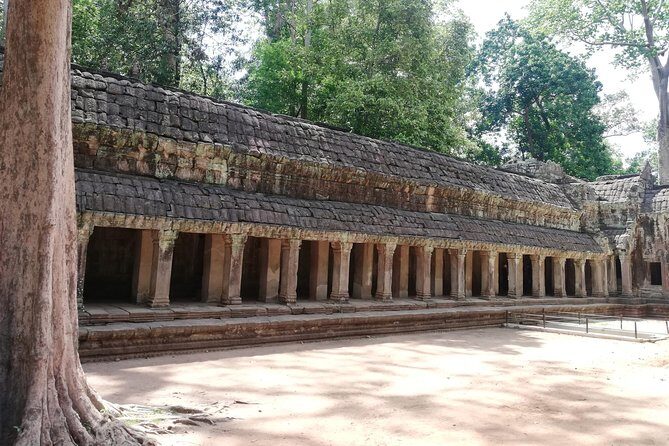
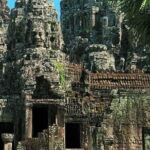
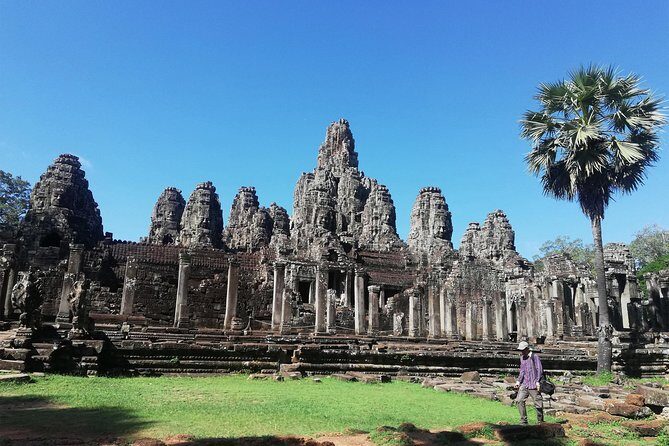
Bayon is famous for a reason. The faces on the towers turn what could be a maze into something that feels like you’re being watched from every direction.
This stop is about 1 hour, and it includes outside views plus inside time with guide explanations. You’ll learn how Bayon fits into the wider Angkor Thom complex rather than seeing it as a standalone temple.
The faces are often the headline, but what I’d watch for is how your guide helps you orient yourself. Once you understand where you are in the bigger city layout, Bayon stops feeling like random points of stonework and starts feeling like deliberate design.
A quick heads-up
Because you’re visiting during an afternoon window, crowd levels can swing. Your guide’s job is to keep you moving in an efficient way, so don’t fight the routing if it changes slightly.
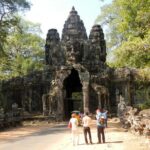
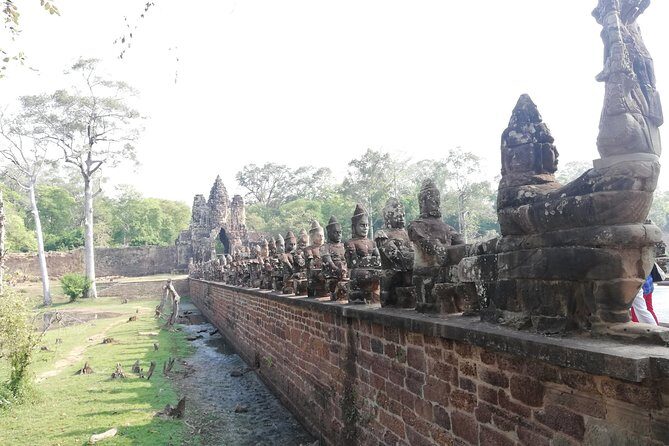
Stop 4: Angkor Thom South Gate (Tonle Oum) and the city gates
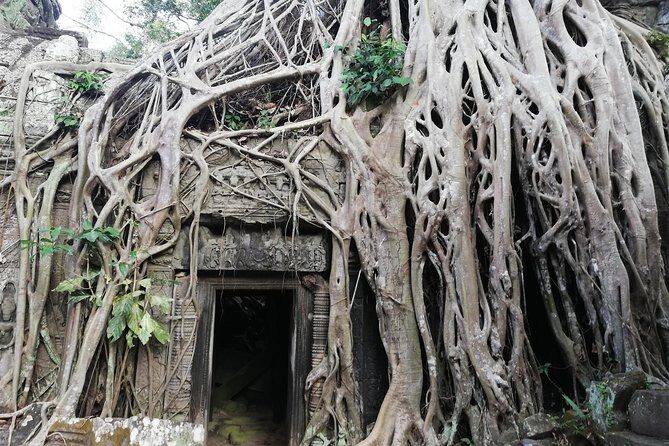
After Bayon, you shift to the city context at Angkor Thom South Gate. This is about 30 minutes, but it’s a good chunk of time if you use it to get oriented.
You’ll learn the gate’s name—Tonle Oum—and how Angkor Thom’s layout works. Angkor Thom is described as having five gates: South Gate, Ghost Gate (Gate of the Dead), Victory Gate, Dei Chhnang Gate (North Gate), and Killing Gate. The city is also described as about 3 kilometers on each side.
This stop helps you connect the dots. Once you see the gate framework and understand the layout, Bayon and the other major points feel less like isolated photo stops and more like pieces of a bigger urban plan.
Why 30 minutes is enough
At this stage of the day, you’re building understanding without exhausting yourself. The key is to use it to ask your guide simple questions—where you are in the city, what the next landmark is for, and what to notice as you move.
Stop 5: Phnom Bakheng Mountain for sunset views
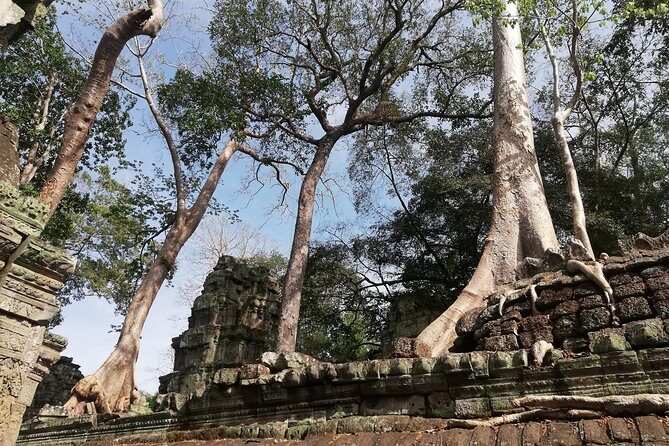
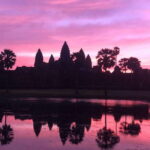
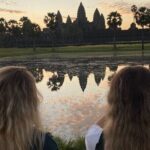
The final act is sunset at Phnom Bakheng Temple on Phnom Bakheng Mountain. Your timing matters here, because sunset viewing is often the busiest, most temperature-heavy part of the day.
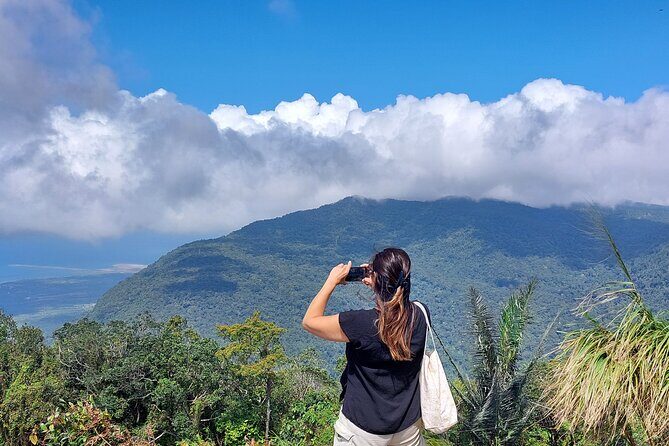
Phnom Bakheng is located about 1.5 kilometers northwest of Angkor Wat. It’s a Hindu temple mountain dedicated to Shiva, built in the 9th century by King Yasovarman I. That older date gives you a helpful perspective: you’re not only watching the famous Angkor Wat era, you’re also seeing a different layer of Cambodian temple history.
This is the stop where you’ll want patience. Even with a private tour, sunset can bring crowds and slower movement near the viewpoints. Your guide and driver pacing is what helps you enjoy the moment rather than stress about where the sun is going.
Sunset tip that matters
I suggest you keep your water accessible and your camera settings simple. Focus first on the view and the atmosphere. Then take your photos once you’ve got your bearings.
The guide and driver factor: why Thom-style pacing feels different
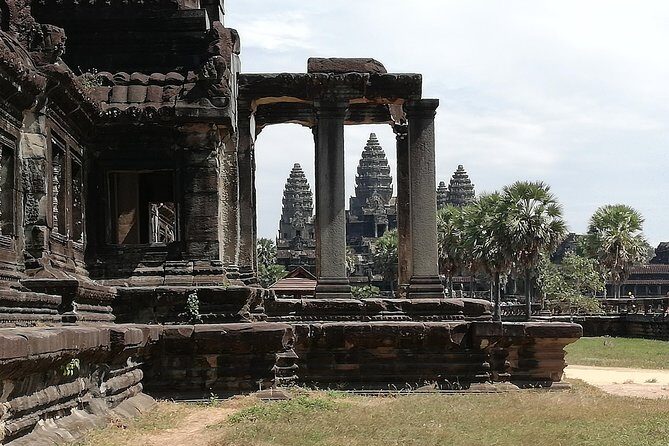
The experience feedback highlights strong performance from the guide and driver. One review praised Thom specifically for picking people up after the scheduled start time due to checking-in delays, then adjusting smoothly without rushing the day. Another key point was that he brought people to a less busy side of Angkor Wat first and offered cold towels on the way.
That’s not just “nice service.” It’s how you end up with a more satisfying visit:
- You spend your best energy on the temples when the crowd flow is gentler.
- You get explanations when you can still hear them and see the details.
- You don’t feel fried before sunset even starts.
Also, you’ll have an air-conditioned car for the driving segments. That sounds small until you’re moving between temple zones in the heat.
Value check: is $59 per person fair?
At $59 per person for a private afternoon tour, the value depends on what you’d otherwise pay for a guide and how you like to tour.
Here’s what you’re getting:
- Hotel pickup and drop-off
- Air-conditioned car
- Local English-speaking tour guide
- Drinking water and cold towels
- A structured circuit that includes major Angkor highlights and sunset
The big line item that’s not included is temple admission tickets. That’s a common Angkor reality, but it’s important for planning your total spend. If you add tickets yourself, the overall value still tends to hold, because you’re paying for the guide time plus the convenience factor.
Timing also matters. You’re not booking a rushed 2-hour hit-and-run. The tour sits in the sweet spot: long enough to get meaning from the sites, short enough to avoid an all-day fatigue spiral.
If you’re traveling as a couple or small group and want a guided flow rather than navigating alone, this price level is usually a good deal.
What to wear and bring so you enjoy every stop
This tour is straightforward, but Angkor punishes bad planning. Here’s what I’d do based on the tour’s guidance and common-sense temple rules:
- Wear comfortable walking shoes (sneakers help).
- Dress so you can cover knees and shoulders for entry.
- Bring water and keep sipping during transfers and walking segments.
- Avoid carrying valuables you don’t need. You’re outdoors, you’ll be moving, and you don’t want to baby your belongings.
You’ll get water and cold towels from the tour, but having your own extra comfort plan helps.
Who this tour is best for
This one fits best if you:
- Want a private guide to make the temples make sense.
- Prefer a focused afternoon plan rather than a full-day marathon.
- Enjoy history that’s explained while you’re standing in front of the stone.
- Want sunset without turning it into a last-minute scramble.
If you only care about ticking off the most famous angles and don’t want explanations, you might feel the guide time is extra. But if you like understanding what you’re seeing, this format is ideal.
Should you book this Afternoon Angkor Wat Private Tour with Sunset?
I’d book it if you want the smooth Angkor flow: pickup, air-conditioned comfort, cold towels, guided stops at Angkor Wat, Ta Prohm, Bayon, then a structured city gate look at Angkor Thom South Gate, and a real sunset ending at Phnom Bakheng.
Skip it only if your priority is cheapest possible entry-only sightseeing, or if you strongly dislike timed sunset plans and the walking that comes with viewpoints. Otherwise, the value-to-effort ratio looks solid, and the guide quality signals are clear from the experiences shared.
FAQ
Is hotel pickup and drop-off included?
Yes. Hotel pickup and drop-off are included.
What does the tour include?
It includes an air-conditioned car, drinking water and cold towels, hotel pickup and drop-off, and a local English-speaking tour guide.
Are temple admission tickets included?
No. Temple tickets are not included.
How long is the tour?
It runs about 5 to 7 hours.
What’s the itinerary?
You’ll visit Angkor Wat, Ta Prohm, Bayon Temple, Angkor Thom South Gate, and finish with sunset at Phnom Bakheng Temple.
Do I need to dress a certain way?
Yes. You must cover your knees and shoulders when entering the temples.
Is the tour private?
Yes. It’s a private tour/activity, and only your group will participate.
Is cancellation free?
Yes. You can cancel for a full refund up to 24 hours in advance of the experience start time. If you cancel less than 24 hours before, the amount paid is not refunded.