REVIEW · SIEM REAP
Angkor Wat 3-Day Temple Tours
Book on Viator →Operated by Cambodia Golden Tours · Bookable on Viator
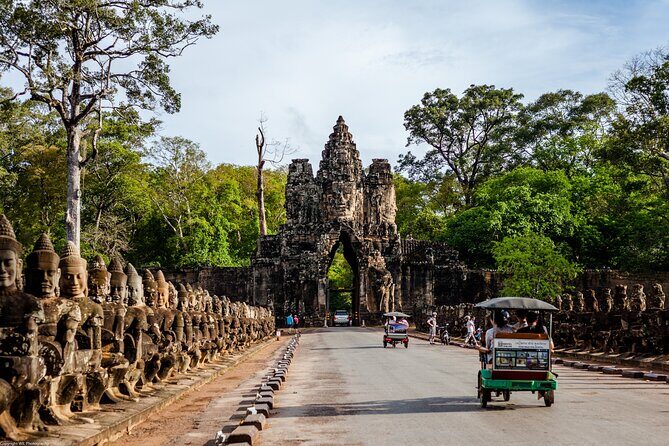
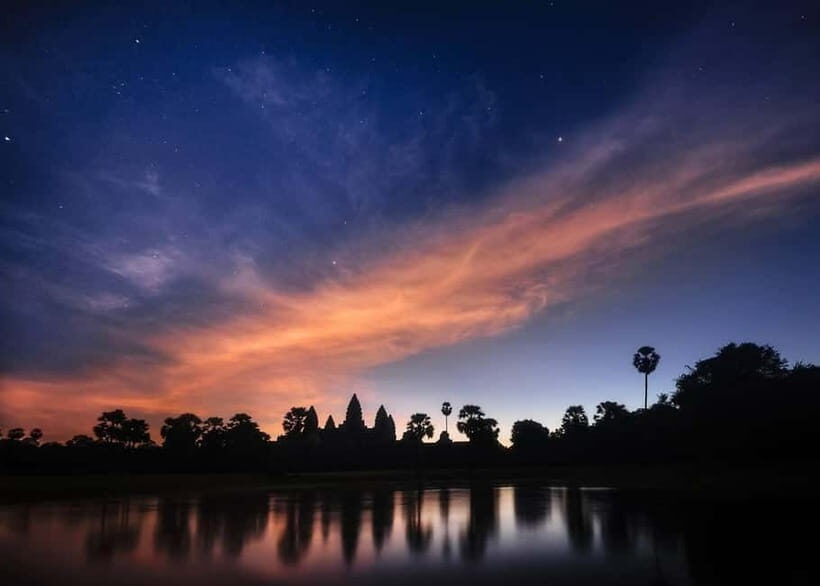
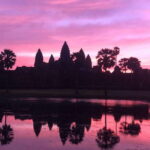
Sunrise at Angkor changes everything. I love the private tuk-tuk pickup each morning and the chance for sunrise photos of Angkor Wat before the day gets crowded. This tour also strings together temple stops that would otherwise be a headache to schedule across the Angkor region.
One planning note: temple tickets and the boat entrance fee for Kampong Phluk are not included, so you’ll want to budget separately for entrances and water-side access.
In This Review
- Key highlights worth knowing
- How this 3-day plan works in real life
- Day 1: Angkor Wat sunrise plus the classic Angkor Thom circuit
- Day 2: Rolous temples in the countryside and Kampong Phluk on stilts
- Day 3: Preah Khan, Pre Rup, Banteay Srei, and Kbal Spean’s river carvings
- Pickup routine, cold towels, and packing for temple rules
- Price and logistics: why $144 can feel like a fair deal
- Getting more from the day: pacing, guide style, and smarter stops
- Should you book this Angkor Wat 3-day temple tour?
- FAQ
- What does the Angkor Wat 3-day temple tour cost?
- Where does the tour start and how long is it?
- What time does the tour start each day?
- Is pickup included?
- What is included in the price?
- What is not included?
- Do I need to follow a dress code?
- Is this a private tour or shared group?
- Is free cancellation available?
Key highlights worth knowing
- Early access for Angkor Wat sunrise so you can see the temple glow without fighting the biggest crowds
- Kampong Phluk on Tonle Sap plus the view of families living on stilted homes and the floating forest
- Daily hotel lobby pickup by private tuk-tuk so you don’t lose time figuring out transport
- Free cold water and cold towels to make the heat more manageable between temple walks
- A mix of big names and lesser-visited sites across all three days, not just the usual photo stops
How this 3-day plan works in real life
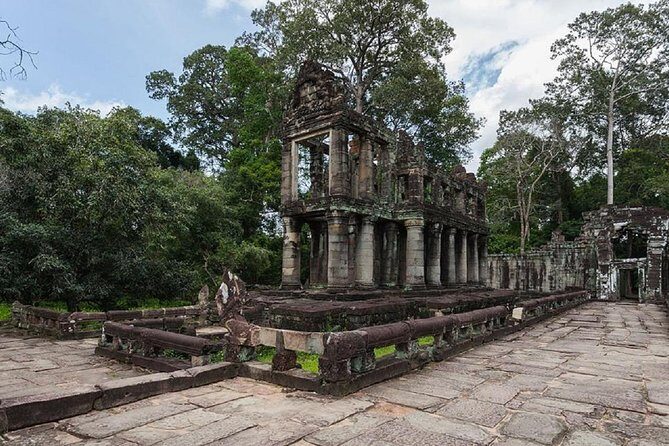
Angkor is spread out, and the main trick is avoiding wasted time. This tour is built to move you between clusters of temples without you stitching together a schedule from scratch. That matters because Siem Reap can feel easy to navigate… until you’re trying to coordinate day after day.
You’ll start each day with a pickup from your hotel lobby and head out in a private tuk-tuk. That keeps the pace focused on temples and reduces the constant hassle of waiting, re-routing, or recalculating routes.
The itinerary also balances heavy hitters with variety. Day 1 leans into the classic circuit (including Ta Prohm), Day 2 adds a very different environment with Kampong Phluk and the earlier Rolous temples, and Day 3 pushes into more spaced-out Angkor sites like Preah Khan and Kbal Spean. If you want a “see a lot” trip without feeling like you’re constantly managing logistics, this kind of structure is exactly what you’re buying.
A few more Siem Reap tours and experiences worth a look
Day 1: Angkor Wat sunrise plus the classic Angkor Thom circuit
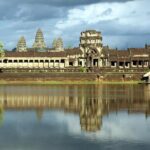
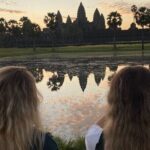
Day 1 starts with the best kind of beginning: getting to the Angkor area early for sunrise photos of Angkor Wat. Even if you’ve seen pictures before, seeing Angkor Wat with the sky still waking up hits differently. It’s also the moment when you’re most likely to get clear, calm photos before crowds build.
From there, you shift into the small circuit of Angkor Archaeological Park. You’ll pass through South Gate of Angkor Thom and then move through the big visuals that define this part of Angkor:
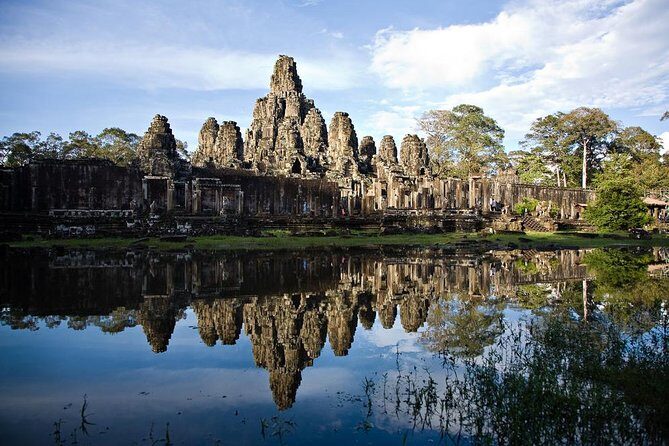
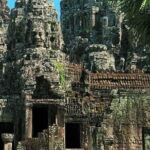
- Bayon Temple: famous for its many faces, which can look almost different depending on where you stand.
- Baphuon Temple: a standout for its dramatic temple form and carved stone details.
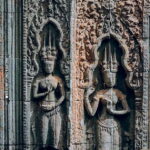
- Terrace of Elephant and Terrace of Leper King: both worth slowing down for. They’re the sort of places where carving details reward closer attention.
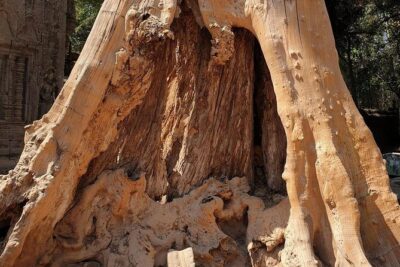
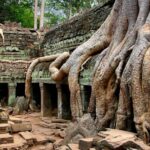
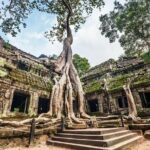
Then comes the temple many people put on their bucket list for a reason: Ta Prohm. Expect thick tree roots and a haunting, half-wild feel that makes the ruins look alive. It can get busy, so if you’re sensitive to crowds, going at the right time matters.
After Ta Prohm, you continue toward Banteay Kdei and Sras Srang. Banteay Kdei tends to feel a bit quieter than the most famous stops, and Sras Srang’s setting adds a welcome change of pace, giving you a break from stone corridors and big stacks of faces.
Practical reality check: this is a long day. Even with transport handled for you, you’ll be walking temple grounds in warm conditions, so wear clothes that fit the temple dress code and keep water handy.
Day 2: Rolous temples in the countryside and Kampong Phluk on stilts
Day 2 is built like a palate cleanser. You start with the Rolous Group, located about 13 km from Siem Reap’s Pub Street, and it’s a reminder that Angkor wasn’t all about one main complex. It includes temples tied to the early Khmer period, with Bakong, Lolei, and Preah Ko as key stops.
This group is especially interesting because it shows a different stage of Khmer temple building. The sites here reflect the transition into a classical style—towers and brickwork, plus sandstone carving elements like columns, lintels, and decorative niches. It’s the kind of visit that makes Angkor feel more like an evolving civilization story instead of one “big day” destination.
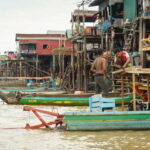
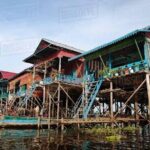
Then you head toward Kampong Phluk, about 37 km from Angkor Wat. This is a floating village area on the Tonle Sap Lake, and it’s not just a pretty side trip. You’ll learn about how life works when the water level shapes daily routines.
One detail that makes Kampong Phluk memorable is the stilted construction. The hand-made houses sit on stilts about 6 meters high to protect homes during the rainy season. In the dry season (often December to April), movement becomes easier through the village, and you can also see parts of the floating forest and local wildlife.
Important note: boat entrance fees are not included. So if your Kampong Phluk visit includes water access, you’ll want cash for whatever entry or boat component applies.
This day also tends to be more relaxing than you might expect. Yes, it’s still a full itinerary, but the environment shifts the mood. You’re trading temple stone for water, floating structures, and everyday community life.
Day 3: Preah Khan, Pre Rup, Banteay Srei, and Kbal Spean’s river carvings
Day 3 expands the story of Angkor beyond the most obvious stops. You begin outside the Angkor Thom area with Preah Khan, often called the Holy Sword temple. Expect an architectural layout that feels immersive and complex, with Khmer-era design that rewards time spent in the corridors and courtyards.
After that, the route includes Neak Pean and Ta Som. These stops help break up the day so it doesn’t become one long run of similar-looking ruins. Neak Pean has that memorable “special place” feel, and Ta Som provides another distinct stone-temple atmosphere.
Then you move into a set of temples that feel like stepping-stones through different styles:
- East Mebon
- Pre Rup
- Banteay Samre
- Banteay Srei
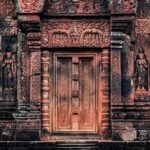
Pre Rup is a stop many people love because it gives you a chance to climb for wider views. Banteay Srei is especially famous for its smaller scale and fine stonework details, which makes it great if you like carving and symmetry more than massive structure shots.
Finally, the itinerary includes Kbal Spean. This is a different kind of Angkor experience: rather than just a temple complex, it centers on the river area with carved elements that connect the landscape to the sacred theme of the site. Even if you’re not there for long photo pauses, it’s a meaningful way to end a temple-focused trip.
Day 3 can feel like the most physically demanding day because the sites are spread out and you’ll keep moving. The good news: your transport is handled, and the included cold water and cold towels help you handle the heat between stops.
Pickup routine, cold towels, and packing for temple rules
The biggest comfort advantage here is simple: your hotel lobby pickup every day by private tuk-tuk. You don’t spend mornings haggling, negotiating, or waiting at the wrong pickup spot. That alone can make a multi-day temple plan feel smooth.
The tour also includes cold water and cold towels. That sounds small until you’re walking in real heat. Having something to cool down between sites can be the difference between feeling okay and feeling wiped out.
You should also plan around the temple dress code. The information is clear that you need to follow the rules when visiting temples. That usually means covering shoulders and knees, and it’s smart to bring something lightweight you can wear comfortably for walking.
Packing advice based on how these days work:
- Bring water-resistant shoes or sandals you can walk in a lot
- Use sunscreen and a hat because you’ll be outside for long stretches
- Keep a small day bag for your ticket/water needs
- Wear clothing you can re-wear across days without overheating
Also, you’ll have a mobile ticket. That’s helpful because it reduces the chance you’ll misplace paper tickets while moving around.
Price and logistics: why $144 can feel like a fair deal
At $144 for 3 days with private tuk-tuk transport, this is one of those prices that makes sense if you hate planning. You’re not just paying for rides; you’re paying for multi-day coordination—getting you from cluster to cluster without you building the itinerary yourself.
But you should read the fine print in your mind, because several major costs are not included:
- Temple tickets
- Boat entrance fees (especially relevant for Kampong Phluk)
- Lunch near temples
- English tour guide
- Personal expenses
So the real question is: are you okay handling some costs directly on the ground? If yes, the base price can be good value because private transport for multiple days usually isn’t cheap once you factor in time and effort.
This tour is also strongest for people who want structure. If you enjoy self-guided wandering, you might feel limited by a scheduled route. If you prefer a plan that reduces decision fatigue—especially when your time is short—then the value becomes obvious.
Getting more from the day: pacing, guide style, and smarter stops
One thing that comes through in the feedback for Cambodia Golden Tours is that service is often praised for being prompt, courteous, and adaptable. Names you may hear linked with this operator include Vutha and Ly. When a driver handles pacing well, you spend more time looking and less time trapped in traffic or missed timing.
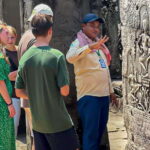
A useful strategy is to communicate what you care about most early. If your priority is photos, say so on day 1 so the route can protect your sunrise and early windows. If you want more time at the carving terraces like the Elephant Terrace and Leper King Terrace, ask for slower stops in those zones.
The tour also helps you avoid the common Angkor problem: seeing only the most famous set of ruins. By mixing in Rolous Group and adding a stop like Kbal Spean, you get a broader sense of what the region looked like beyond the single headline complex.
Should you book this Angkor Wat 3-day temple tour?
Book it if you want a private, low-stress way to cover multiple temple clusters in a short time, and you like the idea of sunrise Angkor Wat plus a major change of scenery at Kampong Phluk. This is also a good choice if you’d rather spend your energy on walking and photos than on planning routes, ticket timing, and transport logistics.
Skip it—or at least rethink it—if you need an English tour guide included or if you don’t want to pay separately for temple tickets and boat access. Also consider whether you’re comfortable with a fast-moving, multi-day temple pace in warm weather.
If you’re flexible about extra on-site costs and you want your days to feel organized from hotel pickup to temple entrance, this is a smart way to experience Angkor without turning your trip into a spreadsheet.
FAQ
What does the Angkor Wat 3-day temple tour cost?
The price is listed as $144.
Where does the tour start and how long is it?
It’s based in Siem Reap, Cambodia, and the duration is about 3 days.
What time does the tour start each day?
The start time is listed as 8:00 am.
Is pickup included?
Yes. You get pickup from your hotel lobby each day.
What is included in the price?
The included items are tuk-tuk transport, cold water, and cold towels.
What is not included?
Not included are temple tickets, boat entrance fees, lunch near temples, an English tour guide, and personal expenses.
Do I need to follow a dress code?
Yes. You need to follow the temple dress code rules when visiting the temples.
Is this a private tour or shared group?
This is private. Only your group participates.
Is free cancellation available?
Yes. You can cancel for a full refund up to 24 hours in advance of the experience’s start time.