REVIEW · SIEM REAP
Full-Day Cambodian Gemology Workshop from Siem Reap
Book on Viator →Operated by Gemological Institute of Cambodia · Bookable on Viator
Gem reading beats guessing every time. This full-day Cambodian gemology workshop turns jewelry talk into real tools and real tests, right in Siem Reap. You’ll learn how specialists spot natural stones, separate myths from facts, and understand why treatments change what’s in front of you.
Two things I really like: the small group size (max 10) keeps the pace calm, and the hands-on lab approach helps you go from color-and-shine opinions to clear observation using instruments. The only drawback to plan for is that it’s an intense day of technical detail—if you’re hoping for a casual stroll and light entertainment, this may feel like homework, just with pretty rocks.
In This Review
- Key Highlights You’ll Care About
- A Siem Reap Day With Real Gemology Tools
- The Institute Setting: Where the Learning Actually Happens
- What You Learn: Ruby, Sapphire, Topaz, Aquamarine, and Friends
- Treatments: The Part That Changes Everything
- 4Cs Grading: Color, Clarity, Cut, and Carat
- How Stones Are Priced: Moving From Emotion to Evidence
- How the Day Flows: Pickup, Timing, and What to Expect
- Who This Workshop Suits Best
- Practical Tips to Get More Out of the Lab Day
- Should You Book the Cambodian Gemology Workshop?
- FAQ
- How long is the full-day Cambodian gemology workshop from Siem Reap?
- What time does the workshop start?
- Where does the workshop take place?
- Is hotel pickup included?
- How big is the group?
- What will I learn in the workshop?
- Do you teach the 4Cs?
- What equipment is provided?
- Is the admission ticket included?
- What’s the cancellation window?
Key Highlights You’ll Care About
- Max 10 people: plenty of time to ask questions without the “look at the stones and move on” rush
- Lab practice: microscopes for inclusions and refractometers for testing (not just lectures)
- Real-world topics: identifying natural stones and avoiding fakes plus understanding treatments
- 4Cs framework: color, clarity, cut, and carat weight to think like a grader
- Price and grading logic: how stones get valued when you know what to check
A Siem Reap Day With Real Gemology Tools
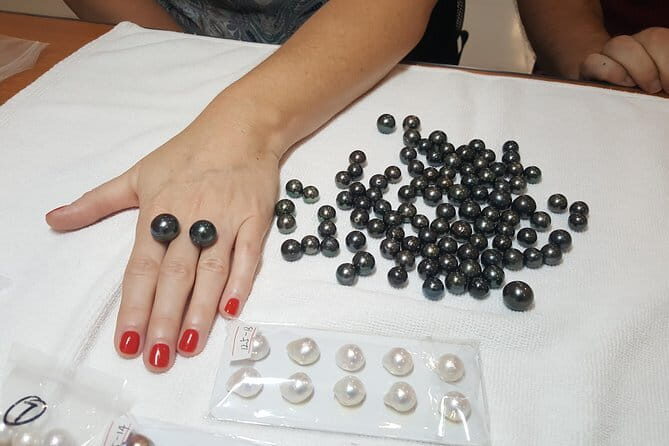
If you’ve ever looked at a ruby or sapphire and thought, That looks beautiful, but how do I know what I’m actually seeing?—this class is built for that exact moment. In Siem Reap, you spend most of the day at the Gemological Institute of Cambodia, where the lesson is practical: how to identify stones, how to spot common tricks, and how grading works in the real world.
What’s great is the tone. This isn’t a fancy lecture hall where you only watch someone else work. You’re in the lab space, looking at stones and learning what the instruments are for. Even if you start with zero background, you get a structure you can use later—whether you plan to buy jewelry, you just like crystals, or you want to travel smarter in markets where everyone has a story.
Your day is roughly 7 to 8 hours overall, anchored by a 9:00 am start. There’s a focused stretch of instruction (described as a 6-hour gemology workshop), then time for the full flow of pickup, classroom activity, and returning to the meeting point.
One more detail that matters: you’re not stuck with a big crowd. The group is capped at 10 people, which keeps the questions personal. That small size also makes it easier for the instructor, including Philippe and the staff, to check what you’re looking at and how you’re thinking about it.
A few more Siem Reap tours and experiences worth a look



The Institute Setting: Where the Learning Actually Happens
The workshop is centered at the Gemological Institute of Cambodia. That location is a big part of the value, because you’re not learning only from diagrams. The lab setup is part of the experience.
In your session, you’ll work with tools that are commonly used for gemstone evaluation, including microscopes to examine inclusions and stone features you can’t see with the naked eye, plus refractometers to test optical behavior. In plain terms: the class teaches you how experts gather evidence, not just how they memorize stone types.
You’ll also learn how grading and identification aren’t one single step. It’s a process. You check what you can see, then you test what you can’t safely judge by sight alone. That habit is what makes the whole day useful when you leave Cambodia and see gems sold with flashy claims.
What You Learn: Ruby, Sapphire, Topaz, Aquamarine, and Friends
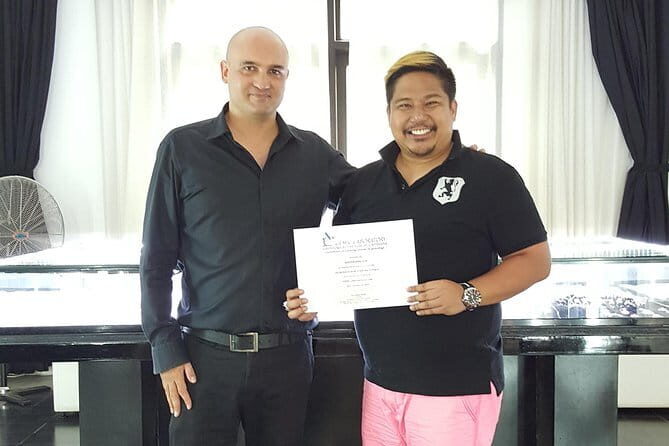
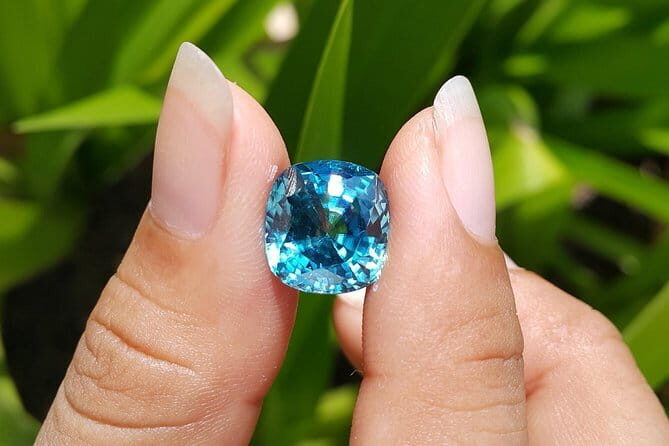
The workshop covers major stones you’ll hear about across Cambodia’s markets and jewelry shops, including ruby, sapphire, zircon, garnets, topaz, aquamarine, and stones like peridot and others. The point isn’t to turn you into a trader. It’s to give you a working vocabulary and a system for what to look at.
You’ll also spend time practicing how to identify natural stones and how to avoid obvious fakes. That includes understanding how stones can be made to look better through human intervention.
Here’s why this matters on the ground: in Siem Reap, jewelry shopping is easy to turn into a guessing game. People want the romantic story. The class gives you a way to ask: What evidence supports that story?
And you’ll learn this in a hands-on way. The lab structure helps you connect stone names to actual observable features—so the next time you see a red or blue stone for sale, you’re not only reacting to color. You’re thinking in checks.
Treatments: The Part That Changes Everything

One of the most practical sections of the day is treatments. If you remember nothing else, remember this: two stones can look similar, but treatments can change how they were processed—and that affects quality and price.
You’ll learn about techniques such as:
- heating
- bleaching
- dyeing
- coating
- oiling
You’ll also hear about glass filling, which is a common method used to change appearance. The class frames these treatments as part of how the market works, not as a moral lecture. It teaches you how to recognize the logic behind treated stones and what questions to ask so you can avoid being misled.
A related topic is distinguishing natural gemstones from those that have been altered, and learning how professionals think about evidence. That’s the real takeaway: you stop trusting only the shine.
4Cs Grading: Color, Clarity, Cut, and Carat

If you’ve ever heard people talk about value using the 4Cs and wondered what they actually mean, this is where the workshop earns its keep. The class walks you through:
- color
- clarity
- cut
- carat weight
Instead of treating it like a buzzword, you connect each C to practical observation. You learn what graders look for, and you get a sense of how those factors impact a stone’s value.
Color is the first thing people notice, but it’s also the easiest thing to misjudge. Clarity gets into what’s inside the stone, where microscopes help. Cut matters because it affects how light moves through the stone. Carat weight is measured, but it still has context—you learn why size alone doesn’t tell the full story.
This is also where beginners often feel a shift. You might start the day thinking the main decision is simply natural versus fake. By the end, you’ll understand grading is more like a checklist than a single label.
A few more Siem Reap tours and experiences worth a look




How Stones Are Priced: Moving From Emotion to Evidence

A big reason to do a class like this is simple: value is not just beauty. It’s grading plus demand plus treatment history plus what can be verified.
In this workshop, you learn how gemstones are graded and priced using the framework professionals use in evaluation. That includes thinking about what counts as quality and what counts as a processing effect that changes the story.
This is the portion that helps you later if you shop. The class doesn’t force you to buy. It gives you a way to evaluate offers more critically. And that changes how you negotiate, even if you don’t haggle.
Price is also where value becomes personal. Yes, it costs $210 per person, and that’s not pocket change. But you’re paying for:
- a full day of guided instruction (about 7 to 8 hours)
- access to lab tools and equipment
- hotel pickup and drop-off included
- a small group experience capped at 10
If you’re just visiting a shop, you’re only consuming. Here, you’re learning methods and vocabulary you can reuse. For many people, that makes the cost feel more reasonable because the day isn’t only about viewing stones—it’s about understanding them.
How the Day Flows: Pickup, Timing, and What to Expect

You start at Rose Apple Square on Rose Apple Road in Krong Siem Reap, with a 9:00 am start time. The tour ends back at the meeting point. Hotel pickup and drop-off are included, which helps you avoid the hassle of coordinating transport for a specialized activity.
Group size affects the rhythm. With no more than 10 people, you’re less likely to get rushed. You can ask follow-up questions when something doesn’t make sense. That is especially helpful when you’re learning grading steps like clarity and cut, because those concepts often need explanation more than once.
Duration matters too. You’ll likely spend most of the day in instruction and practice, so it’s best to plan your schedule accordingly. Treat it like a full-day class, not a quick stop between markets.
Who This Workshop Suits Best
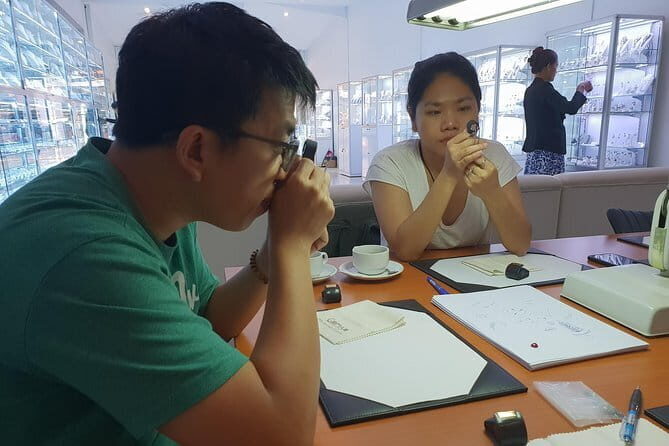
This one fits best if you:
- love the idea of learning how professionals test stones
- want a clear, beginner-friendly path into gemology basics
- are curious about treatments and why they matter
- plan to shop for jewelry and want more confidence
It can also work well as a fun, hands-on activity for people who don’t care about jewelry shopping but like science-y thinking. If you enjoy microscope-level detail and structured checklists, you’ll probably have a good day.
But here’s the honest note: this is not a casual photo tour. It’s technical. If your goal is mostly sightseeing and you don’t want a long classroom time, you may prefer a shorter attraction or a culture-focused day.
Practical Tips to Get More Out of the Lab Day
You’ll get the most from the workshop if you treat it like a skill session. Go in with questions like:
- What clues matter when telling natural versus treated stones apart?
- How do color and clarity trade off for quality?
- What would I check first if someone offered me a stone at a big discount?
Also, keep your expectations realistic. Gem identification is complex. A one-day class won’t make you an appraiser. But it will give you a useful framework and better instincts. That’s the value: better questions, better observation, and less guesswork.
Finally, bring curiosity. When the staff explains the “why” behind grading decisions, the day stops feeling like memorizing names and starts feeling like learning a way to see.
Should You Book the Cambodian Gemology Workshop?
I think it’s a smart booking if you want more than souvenirs and more than surface-level jewelry talk. The small-group cap of 10, the lab tools like microscopes and refractometers, and the focus on identification, treatments, and the 4Cs make this one of the more educational full-day options in Siem Reap—especially if you’re the type who asks questions in markets.
Skip it if you want a light day, minimal sitting, or you’re not interested in technical subjects. It’s still enjoyable, but it’s built as a serious learning session.
If you want a practical way to understand gems before you buy, this workshop gives you real leverage.
FAQ
How long is the full-day Cambodian gemology workshop from Siem Reap?
It’s about 7 to 8 hours total, with the gemology workshop portion described as around 6 hours.
What time does the workshop start?
The start time is 9:00 am.
Where does the workshop take place?
It runs at the Gemological Institute of Cambodia in Siem Reap.
Is hotel pickup included?
Yes. Hotel pickup and drop-off are included.
How big is the group?
The workshop is limited to a maximum of 10 people per booking.
What will I learn in the workshop?
You’ll learn how to identify gemstones (including stones like ruby, sapphire, zircon, peridot, and others), understand common treatments such as heating, dyeing, and oiling, and learn the basics of gemstone grading.
Do you teach the 4Cs?
Yes. The workshop covers the 4Cs of gemstone grading: color, clarity, cut, and carat weight.
What equipment is provided?
All necessary equipment is included.
Is the admission ticket included?
The workshop includes admission as part of the experience, and you’ll receive a mobile ticket.
What’s the cancellation window?
You can cancel for a full refund up to 24 hours before the experience starts. Changes within 24 hours of the start time aren’t accepted.