REVIEW · SIEM REAP
Private Tour to Kompong Phluk Off Beaten Track
Book on Viator →Operated by ANGKOR CAB-OFF BEATEN TRUCK · Bookable on Viator
Tonle Sap turns your day into a boat story. This private tour takes you through Kompong Phluk’s flooded village by boat, then into the quieter flooded-jungle canoeing, before finishing at Wat Thmey’s Killing Fields. I like the calm flooded jungle time and the way the fishing village tour shows real daily life instead of staged scenery. One drawback to plan for: it’s a long day (about 8 hours) and lunch isn’t included.
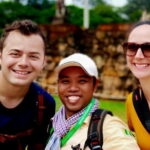
What makes it click is the private guide/driver, often Panha, who keeps the story grounded in Cambodian culture and everyday routines. You’ll get fluent English explanations along the way, plus a schedule that doesn’t feel rushed. You’ll also want to dress for a day that mixes sun, boats, and shaded water-side stops.
In This Review
- Key highlights to look for
- Kompong Phluk feels different from the usual Siem Reap rhythm
- Getting to Kompong Phluk: the 45-minute drive that sets expectations
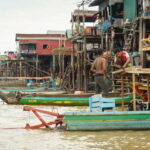
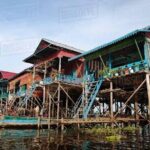
- The Tonle Sap boat ride: fishing village life you can actually see
- Flooded-jungle canoeing: the 40-minute calm that makes it feel personal
- Wat Thmey Killing Fields: a somber finish at the pagoda site
- The guide experience: Panha’s English and the real-life details
- Price and logistics: what you’re really paying for (and when it’s worth it)
- What to pack for a day of boats, sun, and a serious history stop
- Who should book this private Kompong Phluk off-beaten track
- Should you book this tour
- FAQ
- Where does the tour start?
- What time does the tour begin?
- How long is the experience?
- How much does it cost?
- Is it a private tour?
- What’s included in the price?
- Is lunch included?
- What are the main stops during the day?
- Can I cancel and get a full refund?
Key highlights to look for
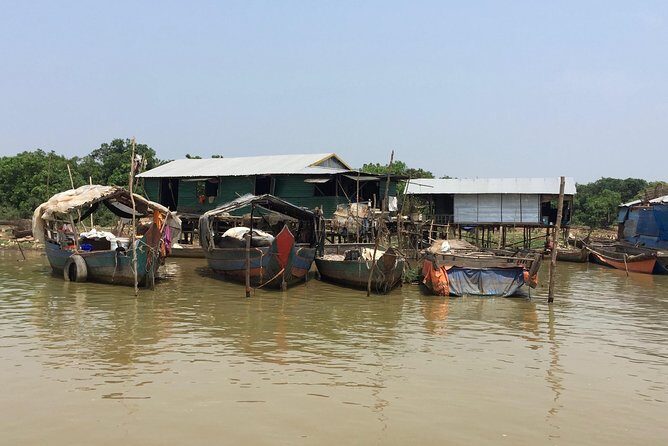
- A big Tonle Sap fishing-village boat ride (around 2 hours) with schools, pagoda areas, and fish and crocodile farms you can see from the water
- Flooded-jungle canoeing for about 40 minutes in a small boat for a slower, quieter kind of sightseeing
- Wat Thmey Killing Fields at the Wat Thmey pagoda as a somber cultural-and-historical follow-up stop
- A private group up to 4 with a guide/driver who can answer questions in fluent English
- All practical extras covered like fees/taxes and bottle water, so you’re not nickel-and-diming your day
Kompong Phluk feels different from the usual Siem Reap rhythm
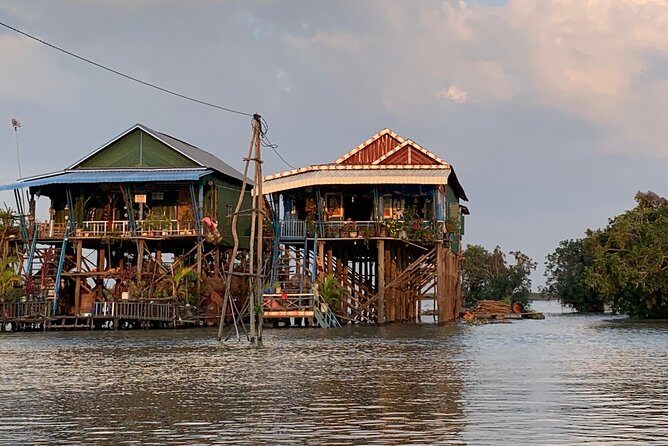
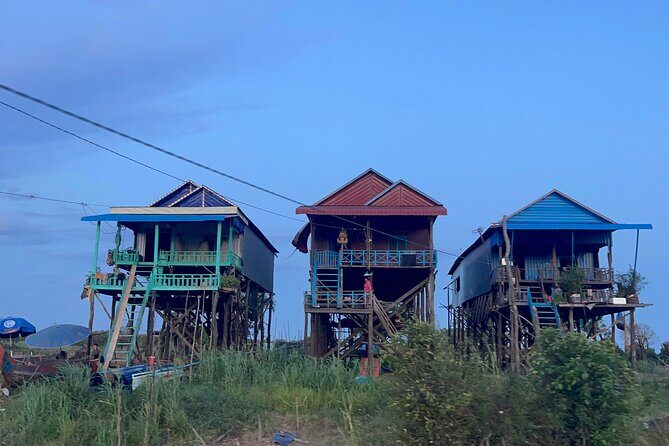
Siem Reap can be all temples, all the time. This tour offers a change of pace that’s still very much Cambodia. You spend your day on and above the water, watching how families live when the flood season turns roads into canals and rooftops into landmarks.
The Kompong Phluk area on Tonle Sap is also a lesson in scale. Tonle Sap is described here as Southeast Asia’s biggest lake, with an average size range of about 3,000 to 12,000 square kilometers depending on the season. That’s why the “village on water” idea isn’t a gimmick. It’s how the lake’s rhythm shapes daily life.
I also like that the tour doesn’t treat the place like a photo backdrop. You’re guided through what you’re seeing: fishing and fish farming, crocodile farming, community buildings like schools and pagoda areas, and the flooded church scene. It’s the kind of day where your brain has to slow down just a notch.
And then you shift gears. You finish with the Killing Fields at Wat Thmey pagoda, which is heavy and real. The contrast is strong, and that can be emotionally tough if you’re sensitive. But if you want your Siem Reap visit to feel complete—beauty, life, and history—this route makes sense.
You can also read our reviews of more private tours in Siem Reap
Getting to Kompong Phluk: the 45-minute drive that sets expectations
The day starts at 8:00 am from the Siem Reap Airport area, and pickup is offered. You’ll have a fluent English-speaking guide/driver traveling with you from the start, which matters more than it sounds.
That first stretch—about 45 minutes—is where you get your bearings. You’ll hear the “why” behind what you’ll see later: what life looks like around the lake, and how the flooded landscape changes movement and work.
This tour is timed as an 8-hour experience (approx.), so you should think of it as a full program rather than a quick half-day. That’s part of the value: you’re not just transferring to a place and hoping it works out. You’re moving through the day with explanations and transitions planned.
Practical tip: if you’re arriving early at the airport area, you’ll likely appreciate that pickup and meeting point are clearly tied to the day’s schedule. A start that’s easy lets you enjoy the boat parts instead of stressing about timing.
The Tonle Sap boat ride: fishing village life you can actually see
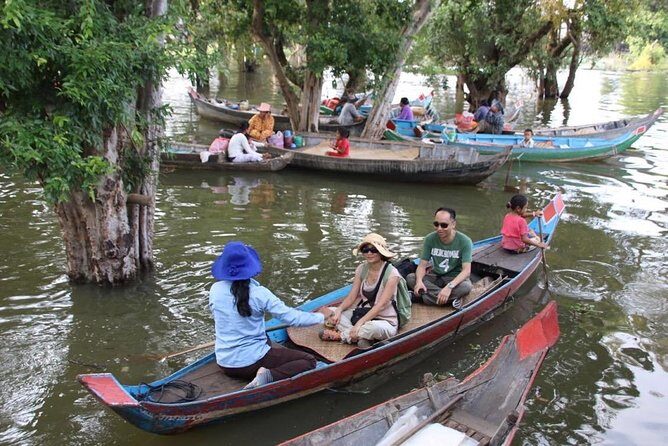
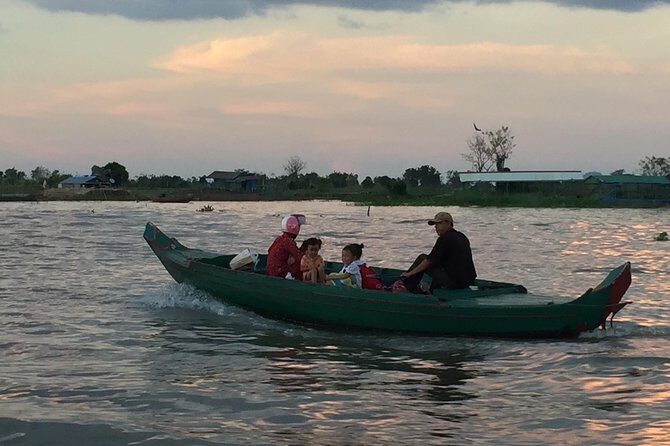
Once you reach the local port, you go straight to the action with a boat trip that lasts around 2 hours. This is the “main stage” of the day, and it’s where Kompong Phluk earns its reputation.
From the water, you get a perspective that makes everything feel more connected. You’re not looking at village life from a distance on a road. You’re moving through the same waterways people use, and the sights show up in a natural order.
Here are the big categories of what you should expect to see during the ride:
- A very big fishing village on Tonle Sap
- Fish farm areas where fish farming is part of livelihoods
- Crocodiles farm areas
- A flooded church scene that reflects how buildings adapt to water levels
- Schools and pagoda areas that signal daily community life beyond work
That list matters because it’s not only about animals or scenery. It’s about the full ecosystem of daily survival and routine: work, learning, worship, and community life.
One moment that stands out from the guidance style: in some cases, you can get a closer look at the kindergarten school aspect—where you see how children’s education fits into the village rhythm. It’s one of those details that turns “I saw a floating village” into “I understood what the village is like.”
Potential drawback: this is a long boat segment, so if you’re prone to sun discomfort or you don’t love time on the water, plan accordingly. There’s also no mention of lunch being included, so your energy management matters more than usual.
Flooded-jungle canoeing: the 40-minute calm that makes it feel personal
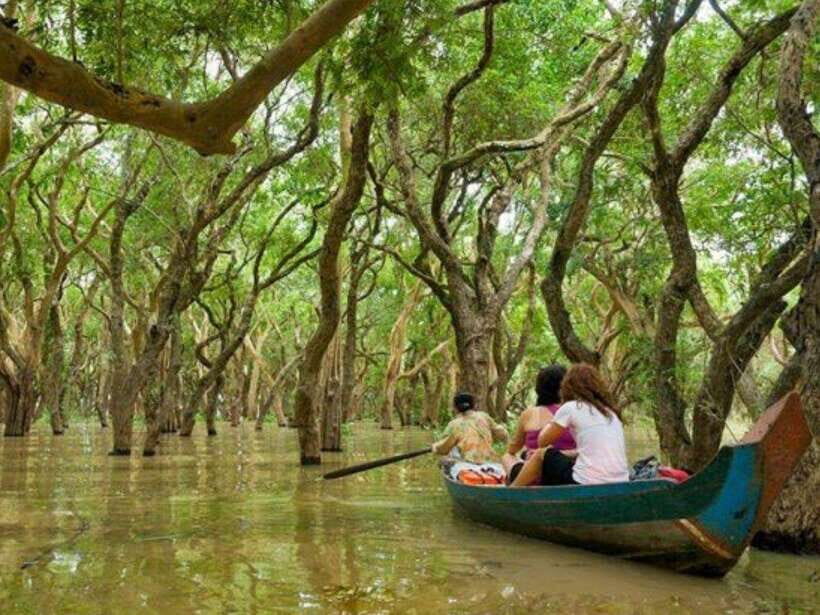
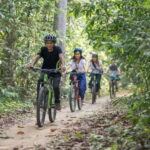
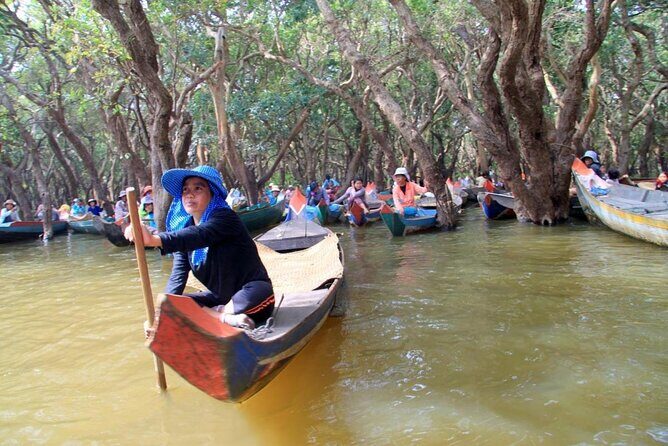
After the boat ride, the day slows down with the next act: kayaking/canoeing next to the flooded jungle. You’ll use a private small boat for about 40 minutes, and you’ll glide through the flooded jungle area with a quieter feeling.
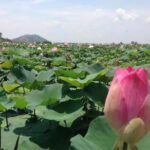
This part is special because it changes the tone. The earlier boat trip is about village density—fishing life, farms, and community structures. The flooded jungle glide is more about stillness and scale. Water plants, shaded banks, and the muted sound of paddling (or guided movement) make it easier to imagine how the landscape changes through the seasons.
You’ll often hear people call this kind of segment peaceful. In practice, it is. But the real value is that it’s intimate. A small boat means you’re not just observing from the edge. You’re moving through the flooded environment as part of it.
A good way to think about the value: it breaks up the day so you don’t just sit for hours. It’s a change in pace that keeps Kompong Phluk from becoming only a checklist of sights.
Practical tip: wear footwear that’s fine near water and bring something you don’t mind getting damp. Even if you stay fairly dry, you’re near boats the whole time.
Wat Thmey Killing Fields: a somber finish at the pagoda site
After Kompong Phluk, you return to the harbor by boat. Then the tour proceeds to the killing field located at Wat Thmey pagoda.
This stop is emotionally serious. The guide is set up to explain more about what happened on the spot, which is important here. History like this isn’t best handled at high speed or with vague talking points. You want context you can process while you’re standing where the story happened.
Why this fits the day: Kompong Phluk shows how people live with the lake’s seasonal changes. Wat Thmey shifts to a different kind of reality—one that shaped generations and Cambodian society. The two parts together make your Siem Reap experience feel more complete and more honest.
It’s also a chance to reflect on how places carry multiple layers. Even a pagoda area can hold both spiritual meaning and historical weight, depending on what you learn there.
One consideration: because the day already includes a lot of water time, you might feel physically tired by the end. Mentally, though, it can be even heavier. If you’re sensitive to difficult history, pace yourself and take breaks as you need.
The guide experience: Panha’s English and the real-life details
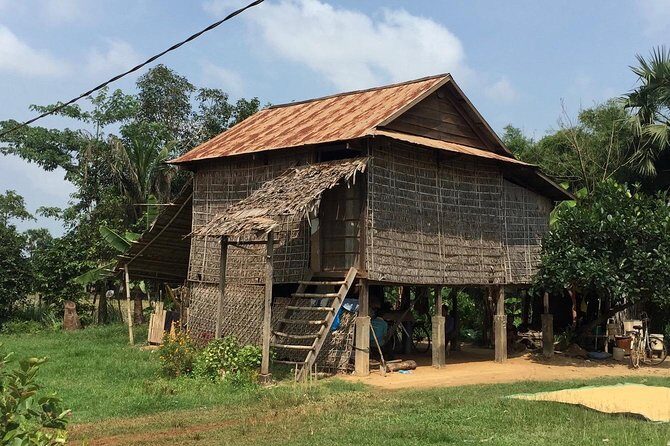
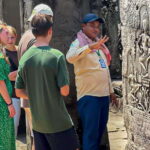
A private tour is only as good as the guide driving the story. In the feedback associated with this experience, Panha comes up again and again for fluent English and clear explanations that connect events and places to daily life.
The best part is that the guidance isn’t just “Here’s a view.” It’s about understanding Cambodia as a lived place: culture, community, and how people make their living in a flood-based landscape.
That’s exactly what you want when you’re seeing things like:
- fish farming and crocodile farming
- schools and pagoda areas on the water
- flooded church and community adaptations
- and then a historical site that requires careful framing
A guide who can explain the details in plain language makes the difference between seeing objects and understanding systems.
Also, because it’s a private tour, you’re not boxed into one rigid conversation. If you want to ask about how the flooded season changes routines, you can. If you’re wondering how the community structures work, you can press for answers.
Price and logistics: what you’re really paying for (and when it’s worth it)
The price is $169.00 per group, up to 4 people, for an approx. 8-hour day. For a private tour, that can be a strong deal, especially if your group is small and you want control over pace.
Here’s how I’d judge value:
- You’re booking a full day with a private guide/driver, not a shared shuttle.
- Two major experiences are included: the boat ride and the flooded jungle small-boat segment, plus the Wat Thmey stop.
- All fees and taxes are included, and you get bottle water. That’s the small stuff that adds up on budget days.
What you should factor in is what’s not included: lunch. Since lunch isn’t part of the set price, you’ll want to plan for food either before you start or during the day as your schedule allows. Since the tour is long, skipping meal planning can turn a good day into a grumpy one.
Is it worth it for solo travelers? Possibly, but it depends on what you want. The private format is what you’re paying for. If you want shared cost, you’d look at other options. If you want the day to run with a personal guide and a quiet flooded-jungle segment that isn’t crowded, this price can feel fair.
What to pack for a day of boats, sun, and a serious history stop
This tour mixes water time with temple-area time, so I treat packing as two-part.
For the water segments:
- A hat and sunscreen for the boat portion
- Something to protect your phone/camera from splashes and mist near water
- Shoes that handle water without drama
For the Wat Thmey stop:
- Comfortable clothes you’re okay wearing for walking and time outdoors
- Light layers, since shade can be inconsistent
You’ll have bottle water included, which helps. But since lunch isn’t included, consider bringing a snack you can manage easily. Even a small buffer can keep you comfortable on a day that runs about 8 hours.
Also, it’s good to bring a little emotional planning for Wat Thmey. This is not a casual stop. If you enter it expecting a quiet, reflective mood, the experience lands better.
Who should book this private Kompong Phluk off-beaten track
This is a great fit if you want:
- More than temples in Siem Reap
- A day shaped around real daily life on Tonle Sap
- A quieter experience inside the flooded jungle rather than only a big-tour bus view
- A private guide who can explain Cambodian culture and the places you’re seeing in fluent English
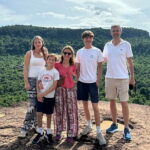
It’s especially appealing for families or small groups up to four, because the private format keeps the day flexible. It also works well if you like boats, but still want a balanced itinerary that doesn’t ignore history.
If you dislike long days or you get uncomfortable on boats, you might find parts of the schedule challenging. If you’re okay with a full program and want a meaningful mix of life and history, this tour is right in its lane.
Should you book this tour
Book it if you want a real Kompong Phluk day with both a longer Tonle Sap village boat ride and a calmer flooded-jungle small-boat segment, plus a guided stop at Wat Thmey Killing Fields. The private group format, bottle water, and included fees make it feel more complete than cheaper “transport-only” options.
Skip it or be cautious if you need a shorter day, lunch included by default, or you’re very sensitive to heavy historical sites. This tour asks for attention, not just sightseeing.
FAQ
Where does the tour start?
The tour starts at Siem Reap Airport, Siem Reap, Cambodia, with pickup offered.
What time does the tour begin?
The start time is 8:00 am.
How long is the experience?
It lasts about 8 hours (approx.).
How much does it cost?
It costs $169.00 per group (up to 4 people).
Is it a private tour?
Yes. It’s a private tour/activity, and only your group participates.
What’s included in the price?
All fees and taxes, boat trip, private tour, bottle water, and a driver/guide are included.
Is lunch included?
No. Lunch is not included.
What are the main stops during the day?
The tour includes Kompong Phluk and Wat Thmey (Killing Fields) at the Wat Thmey pagoda.
Can I cancel and get a full refund?
Yes. There is free cancellation, and you can cancel up to 24 hours in advance of the experience for a full refund.