REVIEW · SIEM REAP
Two Days Angkor Tour
Book on Viator →Operated by Angkor One Tour · Bookable on Viator
Angkor hits fast, then it sticks. This two-day Siem Reap tour strings together the big-name temples with a very different day on the lake, and I especially like the small max group size and the comfort of an air-conditioned vehicle with pickup. For most visitors, that mix is the sweet spot: major sights, but also a change of pace when you swap stone ruins for water life.
One thing to plan for: admission tickets and any fees/taxes are not included, so your final spend will be higher than the headline price. Also, you’ll be walking and standing in heat on temple days, so bring a realistic pace and a little stamina.
In This Review
- What You Get: Two Days That Actually Feel Like Two Days
- Day 1 at Angkor Archaeological Park: Angkor Wat Through Angkor Thom
- Angkor Wat: Start With the Centerpiece
- Ta Prohm: The Jungle Temple Mood
- Lunch Break: A Real Reset Point
- Angkor Thom: South Gate, Bayon, and the Palace Area Details
- Day 2: Kompong Phluk and the Culture Stops in Siem Reap
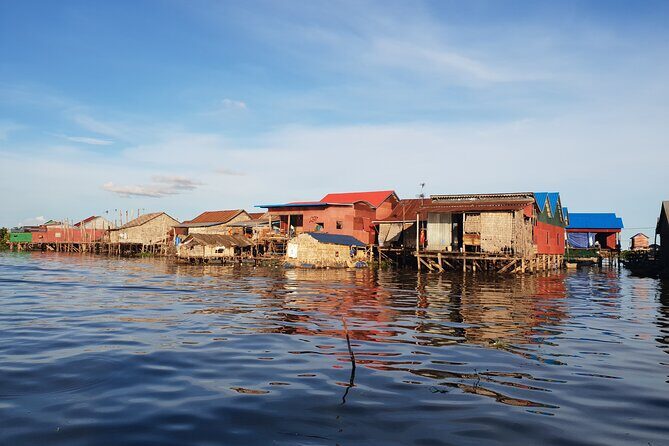
- Kompong Phluk: Floating Village on the Great Lake
- Artisans Angkor: Local Craft Focus
- National Museum: Put the Pieces Together
- Price and Value: The $75 Headline vs Your Real Budget
- Pickup, Transport, and Pacing: Why It Feels Easier Than DIY
- The Guide Factor: What Dara’s Style Gets Right
- What to Bring and How to Stay Comfortable
- Who This Tour Fits Best
- Should You Book the Two Days Angkor Tour?
- FAQ
- FAQ
- Is pickup included for this two-day Angkor tour?
- What’s included in the tour price?
- Are Angkor admission tickets included?
- How long is the tour?
- What is the maximum group size?
- What fitness level do I need?
- Can I cancel and get a full refund?
What You Get: Two Days That Actually Feel Like Two Days
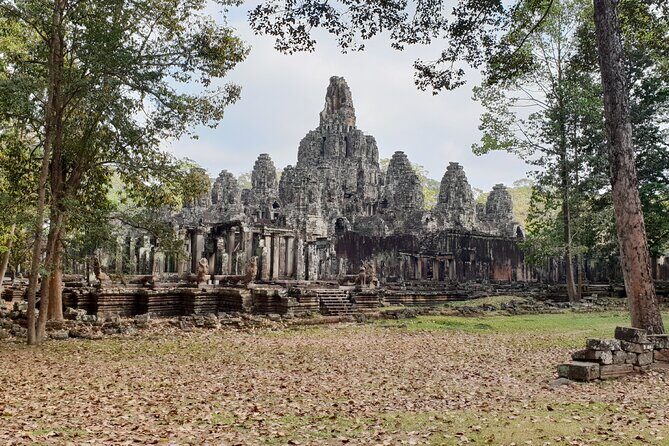
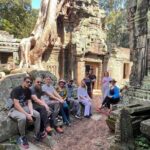
This isn’t a rushed one-and-done drive-by. It’s built as two focused blocks, with a day that concentrates on Angkor Archaeological Park and a second day that heads toward Kompong Phluk plus a couple of culture stops in Siem Reap.
The biggest practical win is the format: you’ll have private time with an air-conditioned car and pickup in Krong Siem Reap, and the group stays capped at 10 travelers. That matters at Angkor, where crowds and queues can make even a good itinerary feel stressful. With a small group, you’re less likely to get swallowed by the traffic jam feeling.
I also like that the schedule leaves room for an afternoon lunch break on Day 1. It’s not fancy listed as a specific restaurant, but the built-in pause helps you reset before you jump from one cluster of temple ruins to another. In a place where the day can run hot and long, a planned break is worth something.
Day 1 at Angkor Archaeological Park: Angkor Wat Through Angkor Thom
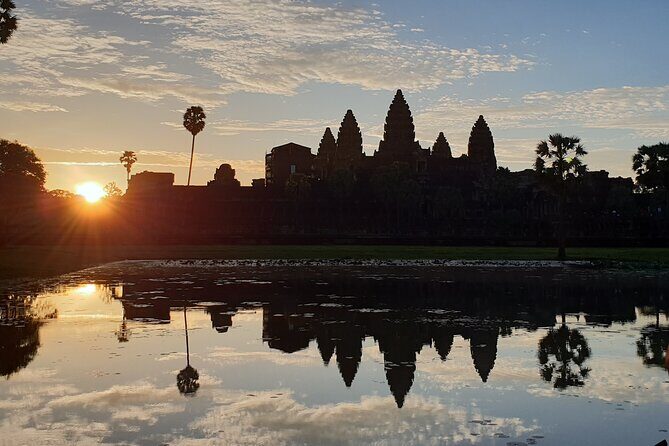
Day 1 is the temple heavy day, and it’s laid out in a way that helps you build a mental map instead of seeing temples as random postcards.
A few more Siem Reap tours and experiences worth a look

Angkor Wat: Start With the Centerpiece
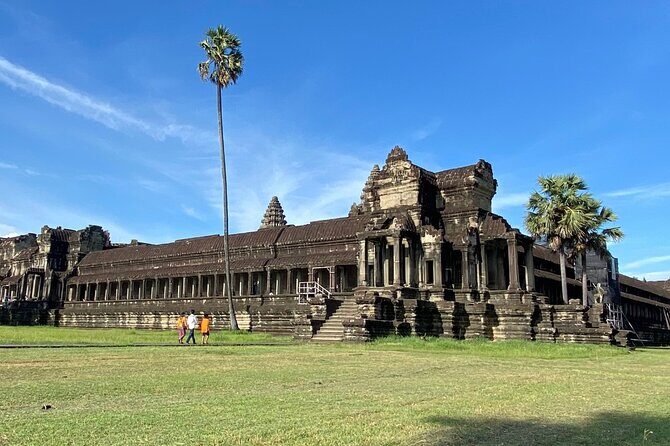
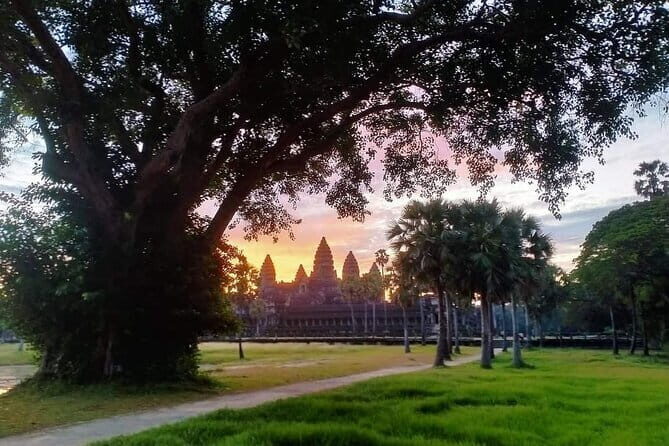
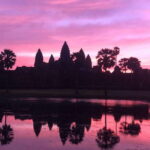
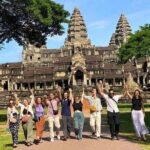
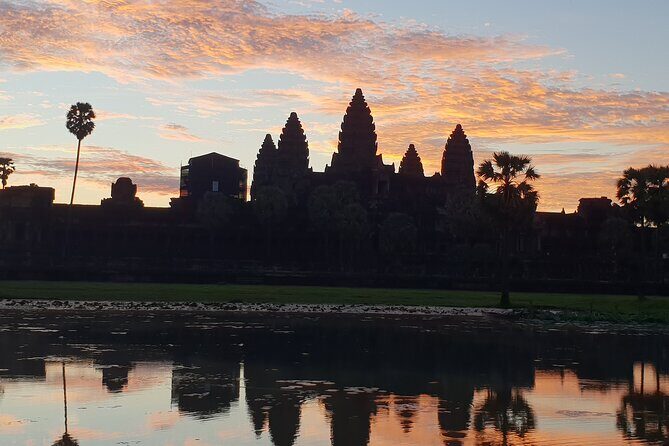
You’ll begin at Angkor Wat, which is the obvious magnet for first-timers. The value here isn’t only the famous views. It’s the chance to orient yourself: once you understand where Angkor Wat sits and how the complex is laid out, the rest of the park starts making more sense.
What to expect: long sightlines, major photo angles, and plenty of walking across uneven surfaces.
Why it’s worth it: it sets the baseline for the whole two-day experience.
Ta Prohm: The Jungle Temple Mood
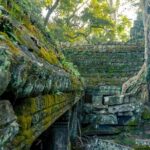
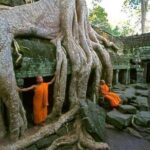
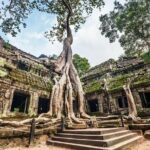
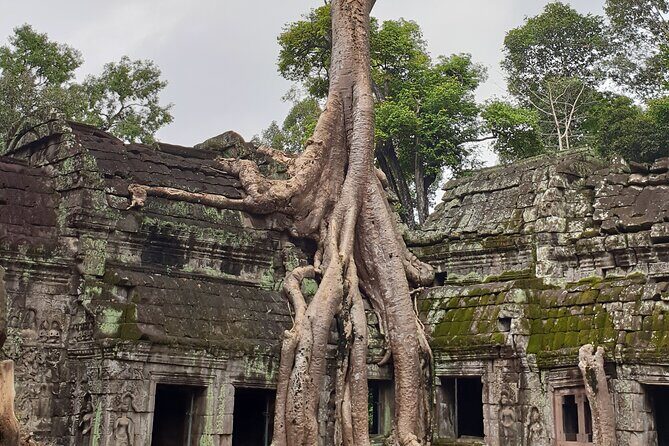
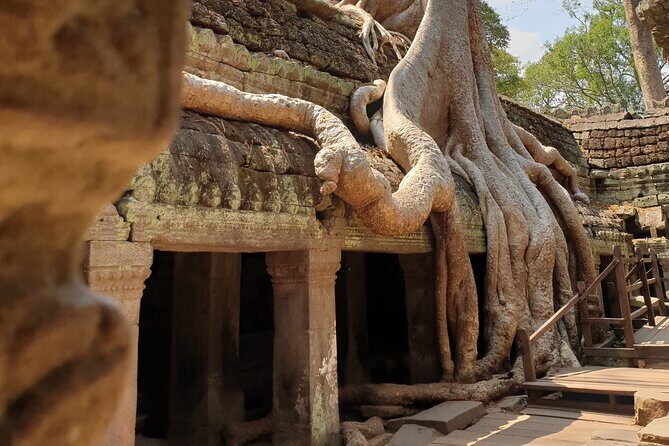
Next up is Ta Prohm, the temple that feels like it’s still negotiating with the jungle. This stop usually stands out because it changes the texture of what you’re looking at. You go from grand, symmetrical design to a more chaotic, roots-and-stone feeling.
What to expect: shaded and open sections mixed together, with lots of visual details in the tree roots and broken masonry.
How it helps: after Angkor Wat’s order, Ta Prohm adds contrast so your day doesn’t blur into one long stone walk.
Lunch Break: A Real Reset Point
After Ta Prohm, there’s an afternoon lunch break. You’ll appreciate this more than you think. Temple touring can turn into a power walk if you don’t stop, and then you end up cranky in the afternoon.
Practical tip for you: plan to drink water before you feel thirsty, and keep your pace steady. If you start sprinting between stops, the later parts of Day 1 will feel harder than they should.
Angkor Thom: South Gate, Bayon, and the Palace Area Details
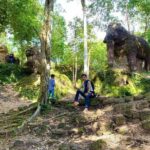
Angkor Thom is a bigger “world” than a single temple visit, and the itinerary breaks it into the key named areas: South Gate, Bayon, the Terrace of the Elephants, the Leper King Terrace, and the former area of the Grand Palace.
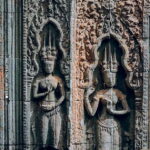
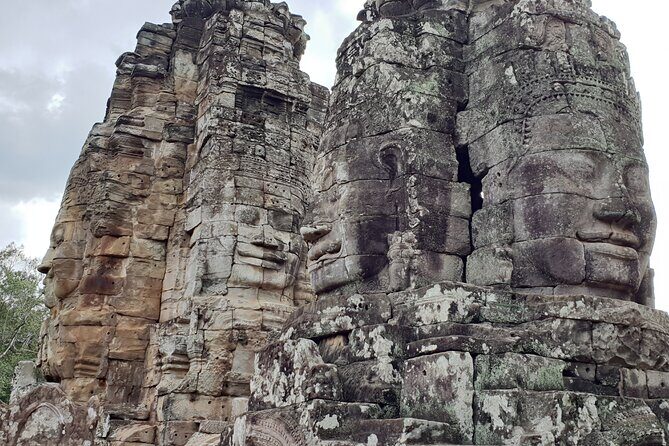
This is where the day gets interesting for people who like symbolism and specific details. Bayon in particular is famous for its faces, but the terraces add extra layers—bas-reliefs and architectural features that feel more like a living record than a single monument.
What to expect: more walking, more surface-to-detail looking, and more places where you’ll want to pause.
Possible drawback: because this section is dense, you may want to slow down and not treat it like a checklist.


Day 2: Kompong Phluk and the Culture Stops in Siem Reap
Day 2 shifts you away from the main Angkor ring and into a very different setting: the floating community at Kompong Phluk. It’s a change of pace that helps your brain reset after a temple day.
Kompong Phluk: Floating Village on the Great Lake
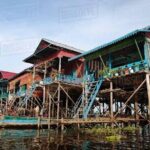
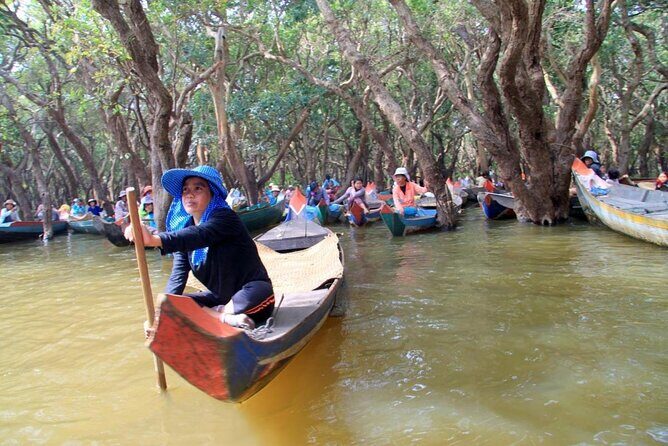
Kompong Phluk is the signature experience of Day 2. You’ll see life connected to the water, and it offers a different kind of sightseeing—less “look up at stone” and more “watch daily life in a changing environment.”
What to expect: a community setting, not a monument complex.
Why it matters: this is where your trip starts to feel grounded in the present, not only the distant past.
Artisans Angkor: Local Craft Focus
After the lake, you’ll head to Artisans Angkor. This kind of stop is valuable if you want a closer look at how heritage and skill carry forward in real life.
What to expect: a culture-and-craft style visit rather than another outdoor temple walk.
Good for: people who want balance and don’t want the entire day to be outdoors.
National Museum: Put the Pieces Together
The National Museum helps you connect what you saw in the park with broader Cambodian art and context. It’s also a useful break from sun and heat, which can help you enjoy the experience instead of just surviving it.
What to expect: a more indoor, slower-paced stop.
Why it’s a smart pairing: after seeing temple architecture up close, the museum can make your observations feel less random.
Price and Value: The $75 Headline vs Your Real Budget
At $75 for roughly two days, the tour price can look like a steal—especially because you get an air-conditioned vehicle and pickup. Also, the tour is described as private, with a small cap of up to 10 travelers, which can make the experience feel more personal than a big bus day.
But here’s the trade-off: admission tickets and all fees/taxes are not included. In Angkor, that can be a noticeable add-on. So the best way to judge value isn’t only the base price. It’s this:
- You’re paying for transport, a structured route, and a guiding experience.
- You’re not paying for park or site admissions inside the listed price.
If you’re the kind of traveler who likes having a driver and a plan so you can spend your energy looking (not negotiating), this price often works well. If you’re trying to control every cost tightly, be ready to budget for tickets.
Pickup, Transport, and Pacing: Why It Feels Easier Than DIY
One of the best parts of this setup is that it starts in Krong Siem Reap and includes pickup. That’s a small detail that changes the whole day. You avoid the stress of figuring out timing and logistics on your own, and you can focus on the temples.
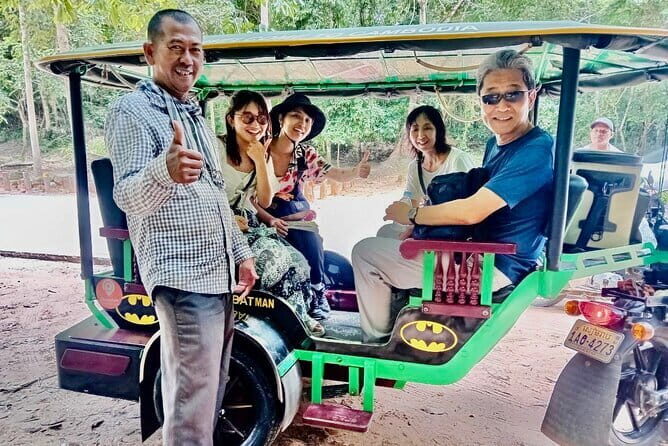
Also, the vehicle being air-conditioned matters more than it sounds. Between temple walking and midday heat, you’ll likely want that ride to function as a reset. In hot climates, comfort can be the difference between enjoying your day and feeling mentally frazzled.
In terms of pacing, this itinerary is structured around recognizable temple zones and a second-day route that doesn’t feel like it’s repeating the same thing twice. You’ll still be out and moving, but the day layout helps you avoid the worst kind of sightseeing fatigue.
The Guide Factor: What Dara’s Style Gets Right
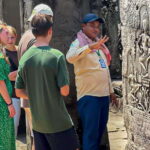
This is where the experience earns its high marks. In past bookings connected with Angkor One Tour, a guide named Dara (often described as Dara Rann) stands out for how he runs the day.
The praise trends are consistent:
- He’s quick and easy to coordinate with before you go, including responsive communication on WhatsApp.
- He manages timing and pacing well, which matters when you’re mixing huge sites with midday breaks.
- He’s flexible if you need to adjust around family needs or changing priorities.
Even if you’re not traveling with kids, flexibility is useful. Angkor days can go sideways for reasons you can’t control. A guide who can shift the rhythm without losing the quality of the visit is a real advantage.
One practical detail that shows up in the feedback: Dara is described as arriving promptly (often with a comfortable SUV) and providing cold bottled water. Small, yes—but these are the kinds of touches that help you feel cared for during long temple hours.
What to Bring and How to Stay Comfortable
This tour asks for moderate physical fitness, so think in terms of steady walking, standing, and navigating uneven ground at temples. You don’t need to be an athlete, but you should plan for discomfort if you expect an easy stroll.
Here’s what you’ll want to pack mentally (and physically):
- A plan for heat: water and a realistic pace.
- Sun protection: temple days can be exposed.
- Comfortable shoes that handle stone and dirt.
- Layering options in case indoor museum stops feel cooler.
Also, remember that admission tickets aren’t included, so keep your ticket plan organized before the day starts. Nothing derails a good day like losing time to last-minute admin.
Who This Tour Fits Best
This two-day route is a strong match if you:
- Want the top Angkor temples in a structured way without the hassle of planning every leg.
- Like variety: stone temples Day 1, water-and-culture Day 2.
- Prefer a small group over a huge crowd experience.
- Value guide support for timing and pacing.
If you’re the type who loves wandering solo with no schedule, you might find the structure limiting. But if you’d rather spend your attention on what you’re seeing, this is built for you.
Should You Book the Two Days Angkor Tour?
I’d say book it if you want high-impact sights with a realistic pace, plus a Day 2 that goes beyond another temple stop. The combination of Angkor Wat + Ta Prohm + Angkor Thom on Day 1 and Kompong Phluk with museum/craft stops on Day 2 is a solid travel rhythm. Add pickup and an air-conditioned vehicle, and the whole experience feels easier than DIY.
The main reason not to book is also simple: you’ll need to budget for admissions and any additional fees/taxes, and you should expect active walking. If that extra cost surprises you or you’re looking for fully inclusive pricing, plan ahead.
FAQ
FAQ
Is pickup included for this two-day Angkor tour?
Yes. Pickup is offered in Krong Siem Reap, and the tour ends back at the meeting point.
What’s included in the tour price?
The tour includes an air-conditioned vehicle. Admission ticket costs and all fees and taxes are not included.
Are Angkor admission tickets included?
No. Admission tickets are not included, and all fees/taxes are listed as not included as well.
How long is the tour?
It’s listed as 2 days (approx.), with Day 1 and Day 2 activities scheduled.
What is the maximum group size?
The maximum is 10 travelers.
What fitness level do I need?
You should have a moderate physical fitness level, since you’ll be walking and spending extended time at temple sites.
Can I cancel and get a full refund?
You can cancel up to 3 days in advance of the experience for a full refund, and cancellations within 3 days of the start time are not refunded.