REVIEW · SIEM REAP
2-Day Angkor Wat Sunrise tour, Banteay Srei & Tonle Sap lake
Book on Viator →Operated by Ta Prohm Temple Tour · Bookable on Viator
Sunrise at Angkor Wat is worth losing sleep for. This 2-day guided tour from Siem Reap mixes a very early sunrise start with a full temple circuit—and it ends with a boat outing on Tonle Sap. One catch: the tour price is $85, but the big extras are the Angkor Pass ($62) and the boat ticket ($20), plus your own meals.
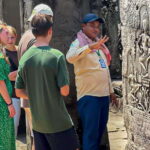
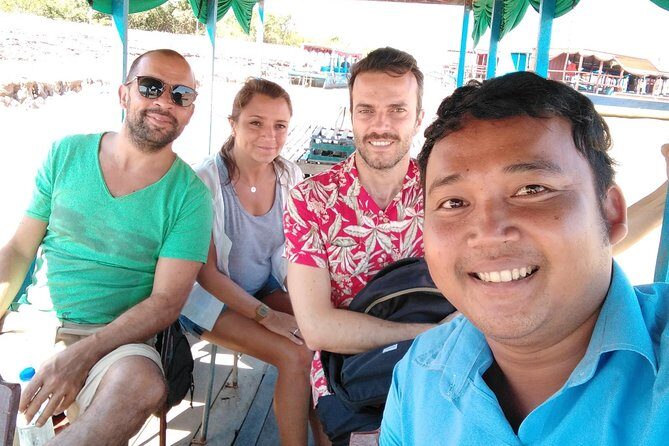
I also like that the second day pushes beyond Angkor’s stonework and into daily life on the water at Kampong Phluk. A big plus here is the guide quality; Dy is specifically praised as perfect, and even a great tuk-tuk driver—handy when you’re bouncing between key sites.
In This Review
- Key Things I’d Watch For (Before You Go)
- Price and Logistics: What $85 Really Covers
- Day 1: Angkor Thom South Gate, Bayon, and the Terraces You’ll Remember
- Angkor Wat Sunrise on Day 2: The Early Pickup That Changes Everything
- The Rest of Day 2: Ta Prohm to Preah Khan, Then Kampong Phluk
- Tonle Sap Floating Villages by Boat: Why It Matters
- Banteay Srei: How This Tour Fits the “Lesser-Visited” Promise
- What I’d Prepare for: Time, Meals, and Your Comfort Level
- Who This Tour Is Best For
- Should You Book This 2-Day Angkor Wat + Tonle Sap Tour?
- FAQ
- What’s the total price, and what’s not included?
- Is hotel pickup and drop-off included?
- What time is the Angkor Wat sunrise pickup?
- How long is the tour?
- Does the tour include a boat trip on Tonle Sap?
- Are meals included?
- Do I need the Angkor Pass in advance?
- Is this tour private?
- Can I cancel and get a full refund?
Key Things I’d Watch For (Before You Go)
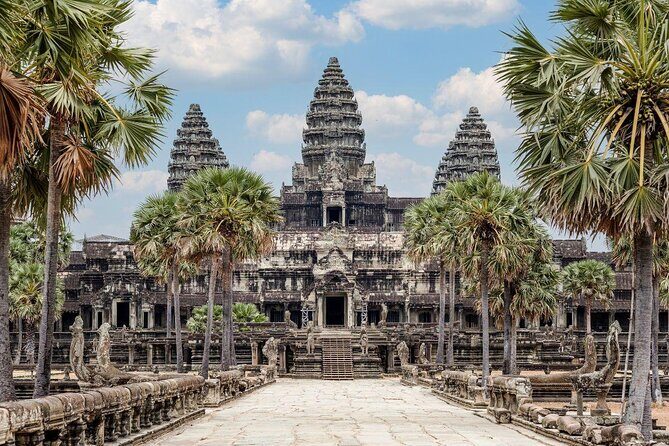
- 4:40 AM hotel pickup for Angkor Wat sunrise keeps the schedule tight and worth it
- Two-lunch plan means you’ll pay for food yourself, so bring cash/bank cards
- Angkor Pass + boat ticket are separate from the $85 tour price, so budget for them
- A/C vehicle + hotel pickup/drop-off lowers the stress of an early start
- Tonle Sap floating villages by local boat adds a very different feel than temples
- “Only your group” setup means you’re less likely to get stuck waiting on other people
Price and Logistics: What $85 Really Covers
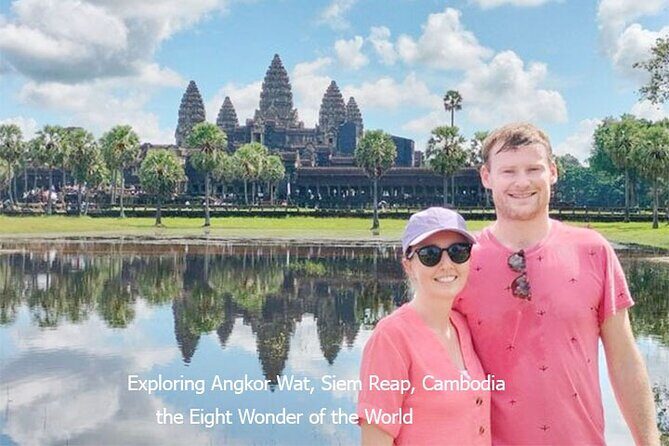
At $85 per person for about two days, the tour price covers the guided temple experience plus the basics that make it run smoothly. You get an air-conditioned vehicle, hotel pickup and drop-off, a professional English-speaking guide, and mineral water during the touring.
What’s not included is where many people get surprised: the Angkor Pass is $62 per person, and the boat ticket for the Tonle Sap floating villages is $20 per person. Food and drinks are also on you—there are lunch breaks both days where the tour provides the timing, but you pay at local restaurants.
If you want a quick value check: your day-to-day “tour service” is $85, and your entrance/boat costs add another $82 before meals. So you’re really buying convenience and expert guidance, not just temple admission. If you like structured days where someone else handles routing, it’s a solid deal.
A few more Siem Reap tours and experiences worth a look

Day 1: Angkor Thom South Gate, Bayon, and the Terraces You’ll Remember
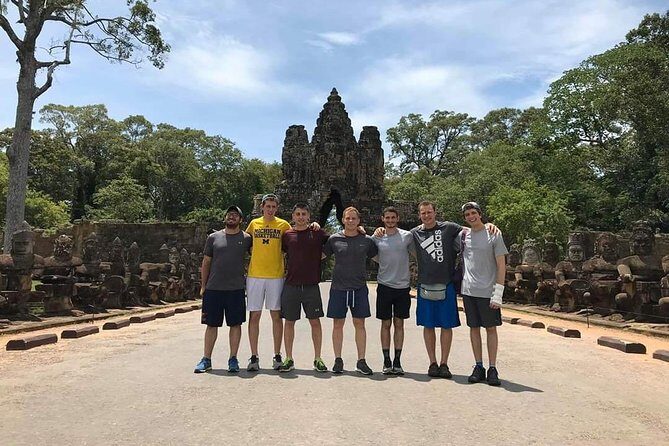
Day 1 is built around the Angkor Thom area, starting with the South Gate. This is the grand entrance to the walled city that Jayavarman VII made into his capital. The tour point here isn’t just the gate itself—it’s the context of the city as part of a massive building program, with the empire’s ruler described in inscriptions like the groom and the city as his bride.
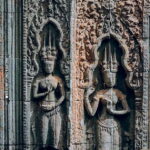
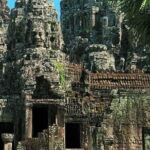
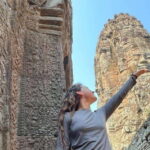
Next is Bayon Temple, a richly decorated Khmer temple associated with Jayavarman VII as a Mahayana Buddhist state temple. Bayon is famous for how it visually fills space, and this stop is where your guide will help you connect what you’re seeing to the way the city was planned.
Then you’ll move to Baphuon Temple, located northwest of Bayon in Angkor Thom. It’s described as a three-tiered temple mountain, built mid-11th century as a state temple of Udayadityavarman. In practice, I like this stop because it changes the rhythm: you’re not only looking at complex face-focused details, but also at a more “temple mountain” shape and scale.
After that come two named terraces that are easy to spot once you know what to look for: the Terrace of the Elephants and the Terrace of the Leper King. The Elephant Terrace is tied to the royal use of the terrace as a platform for viewing. The Leper King Terrace gets its modern name from a later period, even though it’s in the Bayon style associated with Jayavarman VII—so your guide can help you separate the nickname from the original context.
You’ll then head to the Angkor Archaeological Park for lunch time—about 45 to 60 minutes. The key practical point: lunch is not included, so plan on paying yourself.
The day ends with Angkor Wat and possibly Phnom Bakheng if weather allows and you’re not too tired. Angkor Wat is framed as the largest religious monument in the world on 162.6 hectares, and originally constructed as a Hindu temple dedicated to Vishnu. Even if you’ve seen photos, this is one of those places where a guide’s pacing matters—you’ll have time to take it in without feeling rushed.
Angkor Wat Sunrise on Day 2: The Early Pickup That Changes Everything
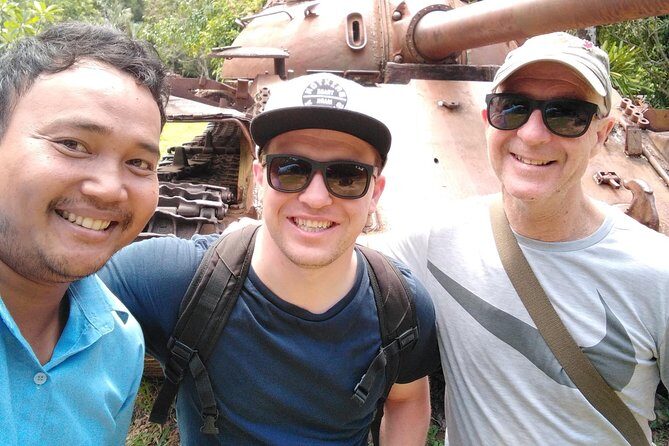
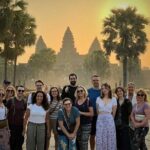
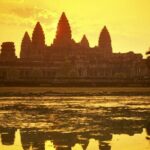
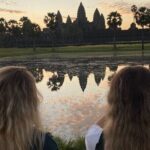
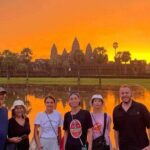
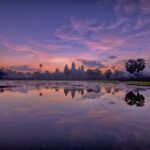
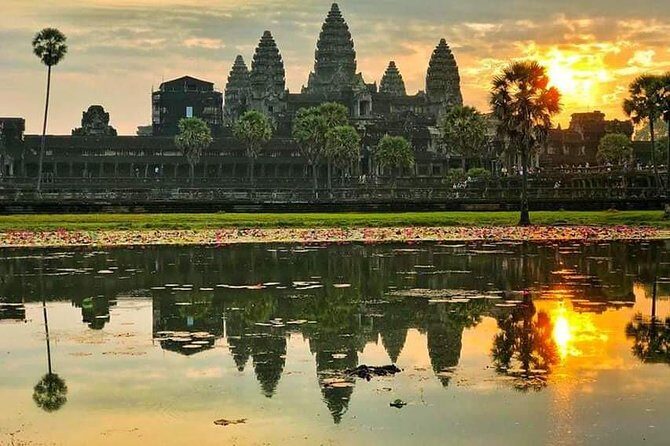
Day 2 starts with an early hotel pickup—before sunrise at 4:40 AM. The payoff is that you’re watching sunrise at Angkor Wat, where the light hits the temple complex at a time most people miss.
This is the moment that makes the whole two days feel intentional. You’re trading comfort (sleep) for atmosphere, and the schedule gives you the chance to do it with a guide rather than trying to figure it out on your own.
One practical consideration: because you’re starting so early, you’ll want to keep your expectations realistic for the rest of the day. This tour still includes several temple stops afterward, so your energy management matters.
The Rest of Day 2: Ta Prohm to Preah Khan, Then Kampong Phluk
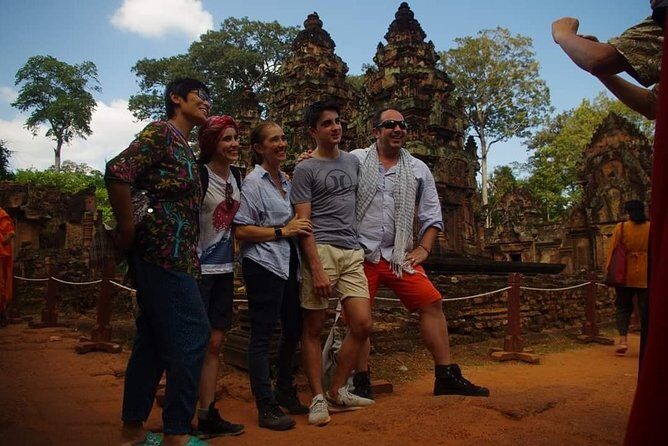
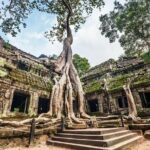
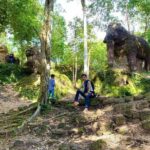
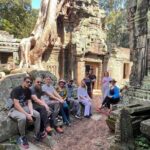
After sunrise, you’ll have breakfast and then continue with Ta Prohm. The key feature here is that Ta Prohm is left in its original state and is partly overgrown with trees and huge roots. That helps you “read” the temple differently than the restored, cleaned-up sites. Instead of everything looking like a museum display, it looks like a structure still in a living environment.
Next comes Pre Rup, a Hindu temple tied to Khmer King Rajendravarman and dedicated in 961 or early 962. The tour describes it as a temple mountain using brick, laterite, and sandstone. The best way to approach Pre Rup is slowly—this kind of structure rewards a pause, not a sprint.
You’ll also visit Eastern Mebon, a 10th-century temple built during Rajendravarman’s reign on what used to be an artificial island at the center of the dry East Baray reservoir. Even if the water is gone now, the idea is important: your guide is basically helping you imagine the original layout of the landscape around the temple.
Then you’ll move through Ta Som and Neak Pean. Ta Som is described as a late 12th-century Jayavarman VII Mahayana Buddhist building dedicated to Lord Svara. Neak Pean is described as a temple built during Jayavarman VII’s reign in 1191 and dedicated to Maha—though the description stops mid-thought, the stop itself signals another change in style and setting from the main clusters.
After more temple time, you’ll go to Preah Khan. This 12th-century temple was built for Jayavarman VII to honor his father. If you’re starting to feel like you’ve seen a lot of stone temples, this one helps remind you there were different purposes and different royal connections across the Angkor complex.
You’ll have another lunch break at a local restaurant before heading onward, with Srah Srang listed as a stop along the way.
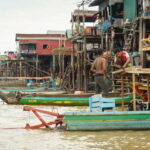
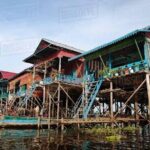
Then comes the big shift: Kompong Phluk on Tonle Sap Lake. This is described as a flooded and fishing village about 21 kilometers from Siem Reap. Once you reach the lake port, you’ll take a local boat ride for the floating villages visit. The time block here is longer—around 3 hours—so expect it to be the “main event” on the second half of the day rather than a quick add-on.
Tonle Sap Floating Villages by Boat: Why It Matters
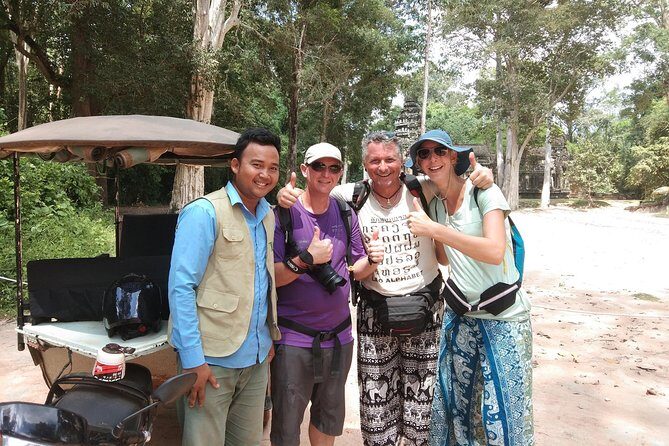
Temples can start to feel like a single kind of experience. The Tonle Sap stop breaks that pattern in a useful way.
The tour’s structure gets you from stone temples to water life without making the day feel like a totally different trip. You arrive at Kampong Phluk, then shift to boats, which are the real transport here. If you want your Angkor days to include a human setting—not just monuments—this is the piece that delivers.
Also, because the boat ticket is separate ($20), make sure you plan your budget in advance. This helps avoid the classic problem of realizing you’re short right when you’re standing at the boarding area.
A few more Siem Reap tours and experiences worth a look
Banteay Srei: How This Tour Fits the “Lesser-Visited” Promise
The tour overview and included details specifically point to Banteay Srei as part of what you’ll do. That’s an important clue about how the operator is thinking: not only the headline names, but at least one temple that’s positioned as a highlight beyond the most obvious crowd favorites.
In practical terms, if you like getting variety—different temple complexes, different vibes, different photo angles—having Banteay Srei in the mix helps. The exact timing within the two days can vary based on the route flow, but the key point is that it’s meant to be part of your itinerary rather than something you scramble for on your own.
What I’d Prepare for: Time, Meals, and Your Comfort Level
Two days at Angkor plus a lake boat trip is not “light sightseeing.” Even with the air-conditioned vehicle and a professional English-speaking guide, you’ll be outside for long stretches.
The tour gives you water, but it doesn’t include lunch or snacks. There are two restaurant stops (about 45 to 60 minutes on Day 1 near the Angkor Archaeological Park, and another lunch stop on Day 2). Bring cash or a card you can use easily, and plan to eat like a traveler, not like a poster photo session.
One more timing note: Day 1 includes the option for Phnom Bakheng sunset if the weather allows and you’re not too tired. That’s great if conditions cooperate, but it’s also a reminder that the tour is designed to adjust to real-world limitations.
Who This Tour Is Best For
This fits you if you want:
- Guided pacing through key Angkor sites without guessing where to go next
- A “big day” Angkor Temples schedule plus a very different Tonle Sap experience
- The convenience of hotel pickup and drop-off
- A tour approach where your group is handled directly (it’s described as a private tour/activity, so it’s only your group)
It may be less ideal if:
- You hate early mornings and long days (the 4:40 AM sunrise pickup is not optional)
- You’re trying to keep costs as low as possible, since admission and the boat ticket add a lot
Should You Book This 2-Day Angkor Wat + Tonle Sap Tour?
My take: book it if you want two days that feel complete—sunrise at Angkor Wat, a structured Angkor Thom to Angkor Wat arc, and a Tonle Sap boat segment that changes the story.
I’d book especially confidently if you care about guide quality. The name Dy shows up in strong feedback as perfect and even a great tuk-tuk driver, which matters because it can reduce the hassle when routes, timing, or short transitions are tight.
Just go in with the right budget mindset: $85 for the guided service, plus $62 for the Angkor Pass and $20 for the boat ticket, and then meals you’ll pay for yourself. If that works for you, this tour is a practical way to see the highlights without turning your trip into logistics homework.
FAQ
What’s the total price, and what’s not included?
The tour is $85 per person. Not included are the Angkor Pass ($62 per person), the boat ticket fee for the Tonle Sap visit ($20 per person), food and drinks, and tips.
Is hotel pickup and drop-off included?
Yes. Hotel pickup and drop-off are included, and the tour also uses an air-conditioned vehicle.
What time is the Angkor Wat sunrise pickup?
You’re picked up before sunrise at 4:40 AM to watch the sunrise at Angkor Wat.
How long is the tour?
It’s listed as a 2-day tour, with the overall schedule running about 2 days.
Does the tour include a boat trip on Tonle Sap?
Yes. On Day 2, you go to Kampong Phluk and take a local boat trip to visit the floating villages on Tonle Sap Lake. The boat ticket fee is not included.
Are meals included?
No. Lunch breaks are scheduled on both days, but you pay for food and drinks yourself at local restaurants.
Do I need the Angkor Pass in advance?
Yes. The Angkor Pass is required for temple entry and is $62 per person, but it’s not included in the $85 tour price.
Is this tour private?
It’s described as a private tour/activity, meaning only your group participates.
Can I cancel and get a full refund?
You can cancel up to 3 days in advance for a full refund. If you cancel less than 3 days before the experience starts, it’s not refunded.