REVIEW · SIEM REAP
Angkor Discovery 2-Days Of Private Tour
Book on Viator →Operated by Asia Private Guide Service · Bookable on Viator
Two days in Angkor can feel either magical or messy. This private tour is built to cut the chaos with early starts and a guide who keeps you moving toward the best views at the right time. You’ll cover the classics like Angkor Wat and Ta Prohm, plus temple stops that many people skip when they only chase the postcard circuit.
I like the practical extras that make a difference in real life: hotel pickup and drop-off, and an English-speaking licensed guide (the service notes that guides are certified with at least 5 years of experience). In the experience records, guides like Mr. Lekh and drivers like Mr. Vet are credited with making the day feel smooth, understandable, and not like you’re just being dropped at ruins with a map.
One thing to plan for: the temples pass isn’t included, and meals (B/L/D) are also not included. So the $150 price gets you the private logistics and guiding, but you’ll still need to budget for the Angkor Pass/temple admissions and what you eat between stops.
In This Review
- Key highlights at a glance
- Crowd-smart private guiding: what makes this Angkor plan work
- Day 1 from Angkor Wat to Ta Prohm: the classic heart of Angkor
- Stop 1: Angkor Archaeological Park + buying your Angkor Pass
- Stop 2: Angkor Wat (about 3 hours)
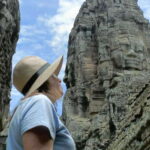
- Stop 3: Angkor Thom South Gate (15 minutes) and the giant face moment
- Stop 4: Bayon Temple (about 1 hour) with 49 towers
- Stop 5: Baphuon Temple (about 1 hour)
- Stop 6: Terrace of the Elephants (about 30 minutes)
- Stop 7: Ta Nei Temple (about 30 minutes) for a quieter feel
- Stop 8: Ta Prohm Temple (listed as a very short stop)
- Day 2 Beng Mealea and the Pink Temple: where Angkor gets less crowded
- Stop 1: Beng Mealea (about 4 hours)
- Stop 2: Banteay Srei (about 2 hours) the Pink Temple
- Stop 3: Preah Khan (about 4 hours)
- Price and logistics: what the $150 really covers
- The guide experience: why it matters more than you expect
- Who should book this private Angkor Discovery 2-day tour
- Final verdict: should you book it?
- FAQ
- What’s included in the tour price?
- Are temple admission tickets included?
- What time does the tour start on Day 1?
- What time does the tour start on Day 2?
- Does the tour include meals?
- Is free cancellation available?
Key highlights at a glance
- Crowd-smart timing: best spots at the right time, rather than racing the masses
- Private, not group-chopped: only your group rides in the air-conditioned vehicle
- English licensed guiding: guides noted as certified with 5+ years experience
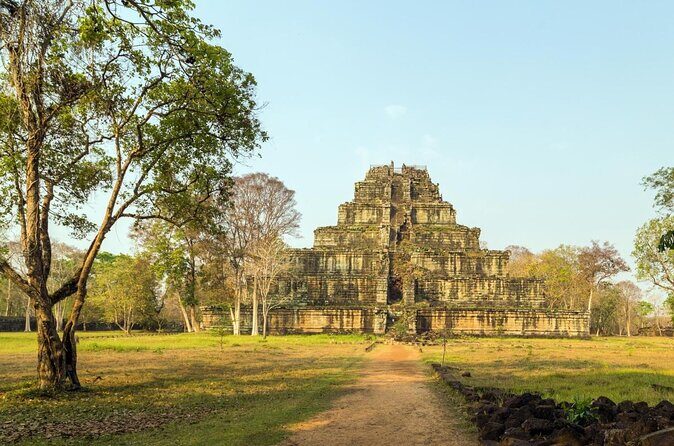
- More than the big two: Ta Nei, Beng Mealea, and Preah Khan add variety beyond the main gates
- Cold bottled water + comfort: included to keep the long days manageable
Crowd-smart private guiding: what makes this Angkor plan work
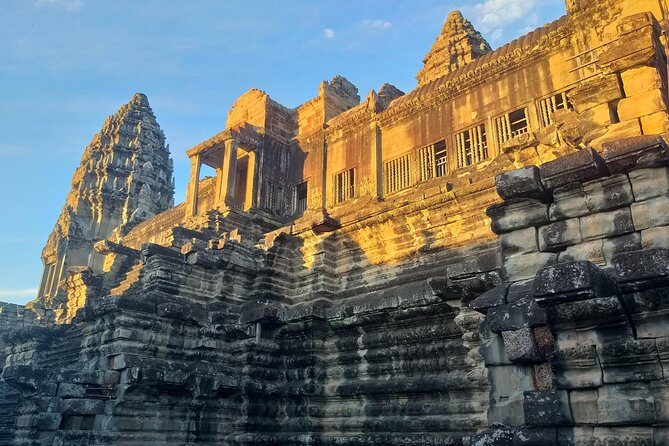
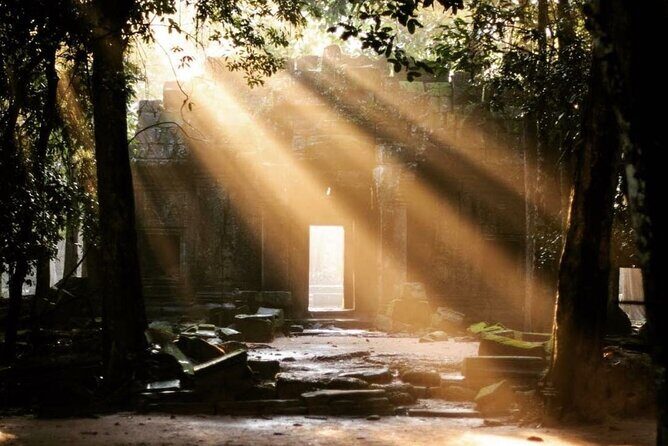
Angkor is huge. The main temples are iconic, but they’re also popular in a way that can turn ruins into a photo line. What I like here is the promise of moving to “best spots” at the right time. That matters because timing changes the feel of the same temple. Early light makes stones glow. Later, you’ll still see the carvings, but you spend more time working around other people.
This is also a true private tour, meaning you’re not syncing your day to strangers’ bathroom breaks or slow-walking cousins. The itinerary is packed, but the structure is clear: you’re taken from stop to stop by an air-conditioned car, with a guide translating and explaining as you go. And because it’s framed as a 2-day experience (instead of one long smash-and-grab day), you get enough room to slow down at the most important viewpoints.
The other thing I appreciate is that the tour doesn’t just say Angkor Wat, Angkor Wat, Angkor Wat. You get to mix in quieter-feeling stops like Ta Nei, plus the more off-the-beaten-path Beng Mealea. That balance is what turns a checklist trip into something you actually remember.
You can also read our reviews of more private tours in Siem Reap

Day 1 from Angkor Wat to Ta Prohm: the classic heart of Angkor
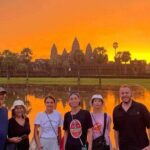
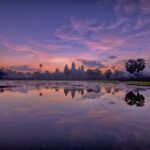
Day 1 starts early. You leave your hotel at 7:30 am, and the tour includes hotel pickup and drop-off. The morning matters here: it’s when Angkor feels most alive—less about waiting, more about looking closely at details.
Stop 1: Angkor Archaeological Park + buying your Angkor Pass
The day begins at the Angkor Archaeological Park area. Before you reach the temples, your guide helps you purchase the Angkor Pass at the checkpoint. The tour schedule lists this as part of a longer overall temple-park time block, and it notes that admission tickets are not included.
Why this is valuable: you don’t want to arrive and start figuring out ticket rules, lines, and which counter to use while the morning slips away. Having the guide handle the pass step keeps the day on track, and it also means you can focus on the temples instead of logistics.
Stop 2: Angkor Wat (about 3 hours)
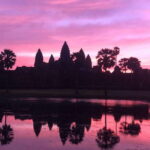
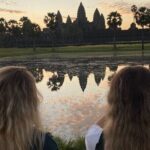
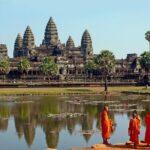
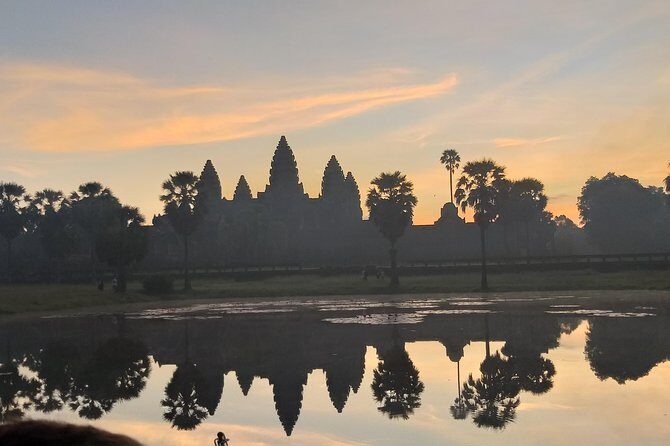
Angkor Wat is the big one—the most famous religious monument in the world, built in the 12th century for dedication to the Vishnu god. You’re scheduled for around 3 hours, which is a smart amount of time. It’s enough to see more than the front façade and actually notice the layout and symbolic design.
What you’ll enjoy most: Angkor Wat rewards slow viewing. Carvings and architectural lines show up better when you’re not constantly shuffling from one single photo angle to another. With a guide, you’ll also get the kind of context that turns “pretty stone” into “this has a reason.”
Possible drawback to keep in mind: because it’s the headline temple, you’ll likely still see a crowd, even with crowd-smart timing. The advantage is that the guide aims to place you at the right moments rather than leaving you to compete for space.
Stop 3: Angkor Thom South Gate (15 minutes) and the giant face moment
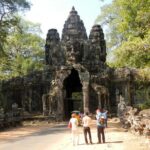
Next comes the Angkor Thom South Gate. The schedule highlights the huge stone face of Buddha and the gate’s dramatic guardian imagery—plus the note about the gate demanding holding a snake. You only have about 15 minutes here, so think of this as a fast photo-and-structure stop.
I like this kind of short checkpoint because it keeps your momentum. You get the signature view without letting one gate swallow the entire morning. If you’re the type who takes one deep breath, shoots a few photos, and moves on, you’ll find this timing helpful.
A few more Siem Reap tours and experiences worth a look

Stop 4: Bayon Temple (about 1 hour) with 49 towers
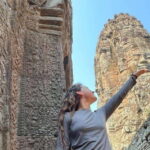
Bayon Temple sits in the heart of Angkor Thom. This is the place people come for the stone faces—49 towers, each topped with a giant countenance. The guide notes it was built by Khmer King Jayavarman VII in the 12th century.
About an hour is a good fit. Bayon has many angles, but you don’t need to spend all day there to appreciate it. With a licensed English guide, the meaning behind the imagery matters, too. You’ll likely understand what you’re seeing rather than just counting faces.
Stop 5: Baphuon Temple (about 1 hour)
After Bayon, you head to Baphuon Temple, scheduled for around 1 hour. It’s described as impressive and part of the Angkor heritage site.
This stop is a nice palate cleanser after Bayon’s face-focused drama. It gives you a different architectural mood, and it helps break up the day so you don’t get “temple fatigue” before you reach the more atmospheric locations later.
Stop 6: Terrace of the Elephants (about 30 minutes)
The Terrace of the Elephants is a shorter stop—about 30 minutes. The schedule calls it absolutely beautiful and built in the 12th century.
This is one of those places where you can understand Angkor as a human stage: a terrace space designed for viewing and ceremony. You don’t need long here if your goal is to see the sculpture work and the overall layout, then move on while your energy still feels fresh.
Stop 7: Ta Nei Temple (about 30 minutes) for a quieter feel
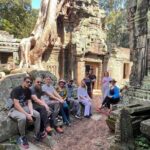
Then you get Ta Nei Temple, described as an off-road temple in the UNESCO site and a peaceful stop. It’s scheduled at about 30 minutes.
For me, this is the best kind of “away from crowds” add-on. The biggest temples can blur together because they’re so famous. A quieter site helps you reset your brain and actually look at the stones instead of looking at crowds.
Stop 8: Ta Prohm Temple (listed as a very short stop)
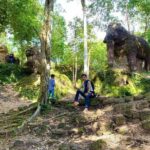
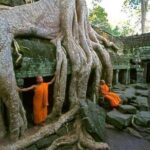
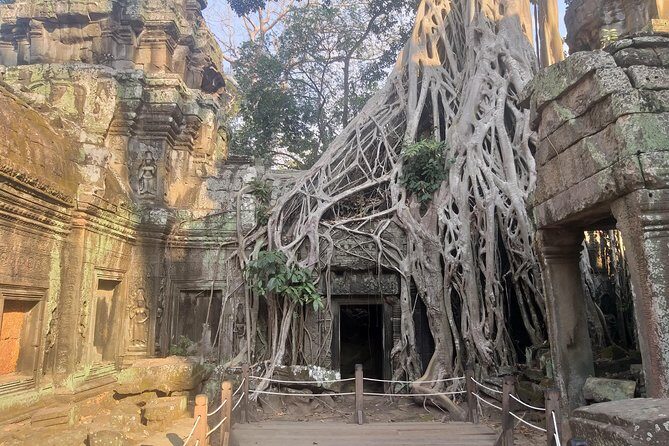
Finally on Day 1, there’s Ta Prohm, where trees grow over the ruins. It’s also referenced for its film fame (the Tomb Raider connection).
The schedule lists a very brief time window here (about 1 minute). I wouldn’t assume that means you’ll literally get 60 seconds to explore every corner. Still, it does tell you what the tour is optimizing for: the signature sightlines and the classic photo moment. So go with the mindset that this is a focused hit, not a long wandering session.
If you want to linger at Ta Prohm, your private guide may help you make the most of the time you’re given, but you should expect the schedule to keep things moving.
Day 2 Beng Mealea and the Pink Temple: where Angkor gets less crowded
Day 2 is built around contrast. After breakfast, you’re picked up at 8:00 am and driven about 77 km from Siem Reap to Beng Mealea. The tour aims to keep you out of the heaviest crowds and gives you a bigger day outside the most predictable routes.
Stop 1: Beng Mealea (about 4 hours)
Beng Mealea is described as one of the most mysterious temples, and you’re scheduled for about 4 hours. This is a major time block, and that makes sense. Beng Mealea has a different vibe than the main ensemble: it feels more like a place you explore rather than a monument you simply view.
Also, that distance from Siem Reap is part of the value. It’s harder to reach on a tight schedule without planning, and the private setup does that planning for you. Four hours here lets you slow down and actually experience the space—rather than just taking the main view and rushing away.
A small consideration: because it’s outside the main cluster, the day can feel more physical. Wear shoes you trust.
Stop 2: Banteay Srei (about 2 hours) the Pink Temple
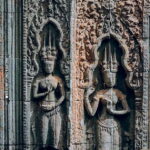
Next is Banteay Srei, also called the Lady temple or Pink temple. The notes say it’s a 10th century site dedicated to Shiva, built largely of pink sandstone, and located north-east of the main group of temples at Angkor Thom.
This stop includes a big win for value: the schedule lists admission ticket free for Banteay Srei. You still get around 2 hours, which is enough time to appreciate the intricate look of pink sandstone carvings without being rushed.
Even if you’ve visited other temples before, Banteay Srei tends to feel different. It’s more detailed and visually delicate, so having a guide to interpret what you’re seeing helps you catch what’s otherwise easy to miss.
Stop 3: Preah Khan (about 4 hours)
The last scheduled stop is Preah Khan, built by King Jayavarman VII, with about 4 hours allotted.
I like that this closing temple gets a full time block. If you only do quick hits, the last day can feel like you’re trying to remember names, not places. This structure gives Preah Khan enough time for it to “land” as a destination, not just a stop on the route.
Price and logistics: what the $150 really covers
At $150 for 2 days, this tour can feel like a bargain or a stretch—depending on what you compare it to. Here’s the key point: temples passes and meals are not included. Admission isn’t included across the itinerary, with Banteay Srei specifically marked as free.
So the $150 value is mostly about:
- private driving in an air-conditioned vehicle
- cold bottled water
- an English-speaking licensed guide
- hotel pickup and drop-off
If you’re traveling with a small group (or just one person who wants control), private guiding can be cost-effective once you price the hassle factor: time spent sorting tickets, figuring out routes, and managing where you should be when.
Also, the tour mentions a mobile ticket, which usually helps with keeping your day simple and organized. You’ll still buy the Angkor Pass through the checkpoint process described for Day 1, but having the rest handled smoothly reduces friction.
The guide experience: why it matters more than you expect
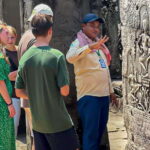
Temples are visual. But they’re also layered with meaning—religious purpose, royal power, construction timelines, and symbolism. This tour emphasizes that guides are certified and have at least 5 years of work experience. That’s not just a credential to look at. It affects whether your stops feel like a photo spree or a story you understand.
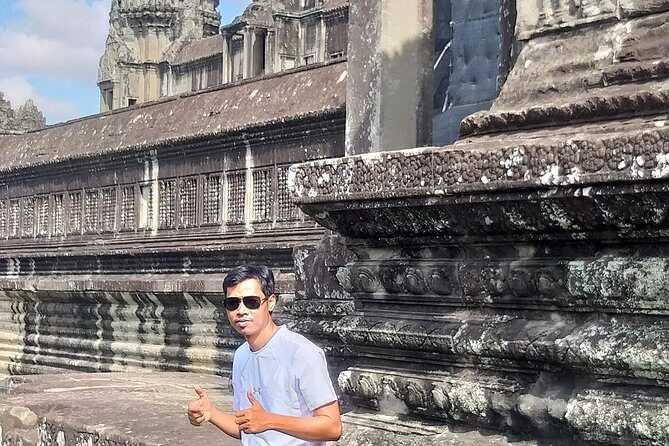
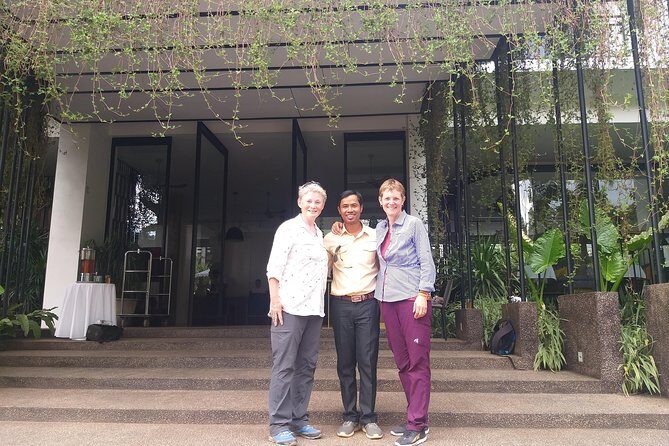
In the experience records shared, Mr. Lekh is highlighted for being fluent in English and for tailoring the trip. There’s also a note about driver Mr. Vet keeping things on track. I’m mentioning the names because they’re useful shorthand for what you’re buying: coordination, translation, and the ability to manage a busy route without losing the plot.
If you care about understanding what you’re seeing (and not just snapping it), this kind of guided structure is where the value lives.
Who should book this private Angkor Discovery 2-day tour
This is a strong match if you:
- want private pacing in Siem Reap, not a crowded group schedule
- like the big temples but also want at least a few stops away from the main crush
- prefer an English-speaking guide who helps you make sense of what you see
It may not be ideal if you:
- are trying to keep the trip as cheap as possible, since the Angkor Pass and some admissions are not included
- want a super flexible day with lots of spare time to wander without a schedule (this itinerary is structured and time-boxed)
- need lots of long-stay time at Ta Prohm, since the schedule lists a very short stop there
Final verdict: should you book it?
Yes, if you want an Angkor experience that’s organized, guided, and timed for better viewing. The biggest reason to book is the blend of private logistics (pickup/drop-off, air-conditioned ride) with temple variety across two days, including Beng Mealea and other less-predictable stops.
I’d book it especially if you’re the kind of traveler who enjoys understanding the stones as much as photographing them. You’ll come away with a clearer sense of the layout, the eras, and the why behind the sights—without spending your whole trip fighting ticket lines and route confusion.
FAQ
What’s included in the tour price?
The tour includes an air-conditioned vehicle, a cold bottle of water, an English speaking licensed tour guide, and pickup and drop-off at your hotel.
Are temple admission tickets included?
No. Temples pass and admissions are not included, although Banteay Srei is listed as free for admission.
What time does the tour start on Day 1?
Day 1 starts at 7:30 am.
What time does the tour start on Day 2?
Day 2 pickup is at 8:00 am after breakfast.
Does the tour include meals?
No. Meals (B/L/D) are not included.
Is free cancellation available?
Yes. You can cancel for a full refund up to 24 hours in advance of the experience start time.