REVIEW · SIEM REAP
Full-Day Angkor Wat Sunrise & Sunset & All Must-See Private Tour
Book on Viator →Operated by Happy Angkor Tour · Bookable on Viator
Sunrise at Angkor Wat changes your whole day. This private full-day route starts with an early hotel pickup at 4:45am, then packs in Angkor Wat, Ta Prohm, Angkor Thom, and ends with Phnom Bakheng at sunset. I like that you get a licensed English-speaking guide who helps you spot what matters fast, and I also like that the timing covers both the first light moment and the last golden glow.
The main downside is the day can feel long and you’re paying extra for entry: the tour lists temple admission as not included, with Angkor Wat at $37 per person. You’ll also want to be ready for a real climb at Phnom Bakheng, especially if it’s busy at the top.
In This Review
- Key Things I’d Get Excited About
- A 4:45am Start That Actually Makes Sense
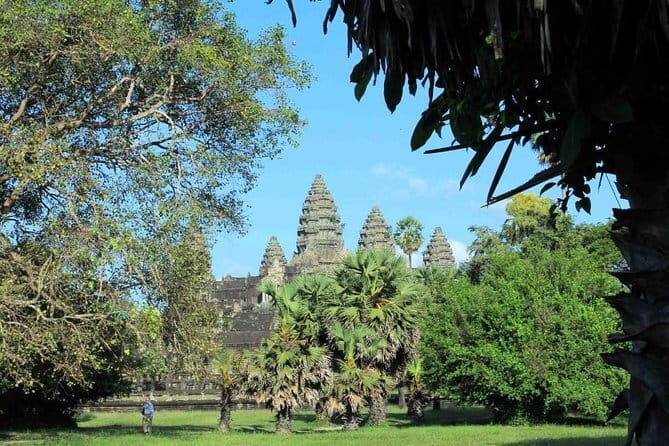
- Angkor Wat: More Than One Photo Stop
- Ta Prohm: The Root-Covered Temple That Feels Like a Movie Set
- The Quiet Break at Banteay Kdei
- Ta Nei: Small, Shaded, and a Little Less Restored
- Angkor Thom: From Victory Gate to Bayon Faces
- Baphuon and the Royal Enclosure Wall: Hindu + Buddhist Layers
- Phimeanakas: A Pyramid at the Center of the Old Palace
- Terrace of the Elephants and Terrace of the Leper King
- Preah Palilay: The Quiet One Behind the Royal Palace
- Phnom Bakheng for Sunset: The Climb and the Crowd Rule
- Price and What You’re Actually Paying For
- Private Tour Comfort: The Small Things That Matter
- Who This Tour Fits Best
- Should You Book This Sunrise-to-Sunset Day?
- FAQ
- What time does the tour start?
- How long is the full-day tour?
- Is hotel pickup and drop-off included?
- Are meals included?
- Is the Angkor temple admission fee included?
- What’s the cancellation policy?
Key Things I’d Get Excited About
- 4:45am hotel pickup means you’re out the door before the day gets hot and crowded
- Sunrise + sunset coverage gives you two completely different moods at the same monuments
- A licensed English-speaking guide helps you read temples instead of just looking at stones
- All the heavy hitters in one day: Ta Prohm, Angkor Thom, Bayon faces, and more
- Cool waters and wet towels are included, which you’ll appreciate after hours in the sun
- Phnom Bakheng has crowd limits and your guide adjusts if the peak is busy
A 4:45am Start That Actually Makes Sense
If your only big goal in Siem Reap is Angkor Wat, you still need a good plan for timing. This tour meets you at 4:45am at your hotel or guest house, then you head to get your temple pass and make your way in before the busiest waves.
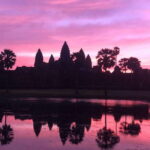
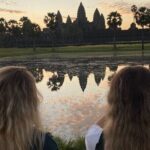
That early start is one of the biggest reasons this feels worth doing. Angkor Wat in sunrise light looks sharper, calmer, and more “mythic” than in the middle of the day when most people arrive. You’re not just catching a photo. You’re seeing how the temple changes when the sky is still deciding what color it wants to be.
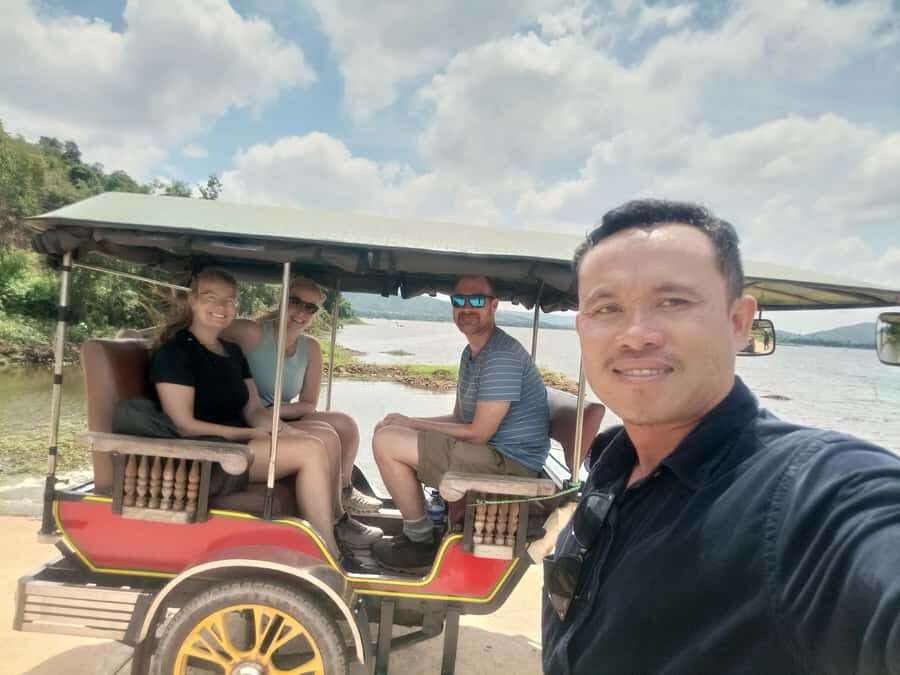
You also get practical comfort from the operator: an air-conditioned vehicle with a driver, plus a guide who stays with you through the stops. You won’t be trying to negotiate tuk-tuk timing while also worrying about getting to the right entrance by the right hour.
You can also read our reviews of more private tours in Siem Reap
Angkor Wat: More Than One Photo Stop
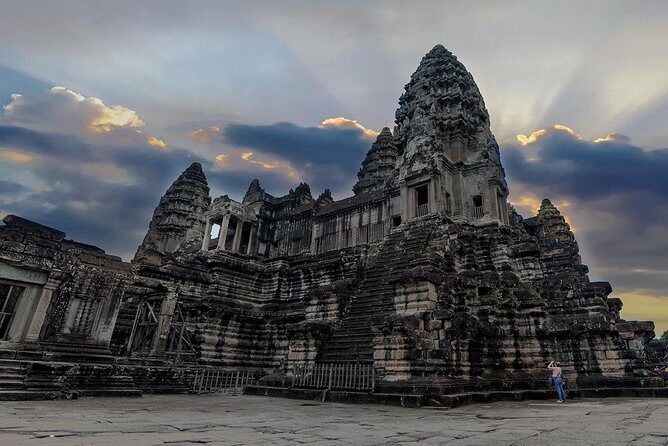
You’ll spend about 3 hours at Angkor Wat, starting with sunrise viewing and then moving through the complex. The temple itself is the star, but the real value is how the time is structured. You’re not rushing through in a blur. You have enough minutes to walk, pause, and let the scale hit you.
A few things I’d watch for here:
- Placement and geometry: Angkor Wat is built to make you feel tiny in the best way.
- Morning lighting: details in stone look different when the sun is low.
- Temple flow: sunrise is only the beginning; the rest of the complex rewards slow walking.
One note you should plan around: admission is not included. The tour lists the Angkor Wat fee at $37 per person, and every stop notes that tickets are not included. So budget for entry fees early in your day-planning, not as an afterthought.
Ta Prohm: The Root-Covered Temple That Feels Like a Movie Set
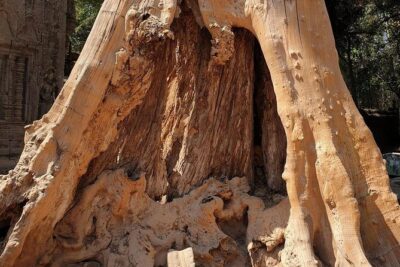
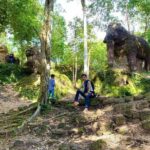
After Angkor Wat, the tour heads to Ta Prohm, about 1.5 hours here. This is the temple most people remember because of the gigantic tree roots climbing over structures. And yes, it’s part of the visual DNA of the look people associate with Tomb Raider-style scenes.
What makes Ta Prohm special on a guided schedule is that you don’t just wander around randomly. Your guide can help you understand why this temple feels both dramatic and fragile: the trees aren’t decorative. They’re part of the building’s current identity.
Time length is about right. You’ll want enough time to circle key viewpoints, then step back to take in the full effect when the roots frame doorways and walls. If you tend to get photo-locked, you may feel like you’re stopping every 20 seconds. That’s normal here.
The Quiet Break at Banteay Kdei
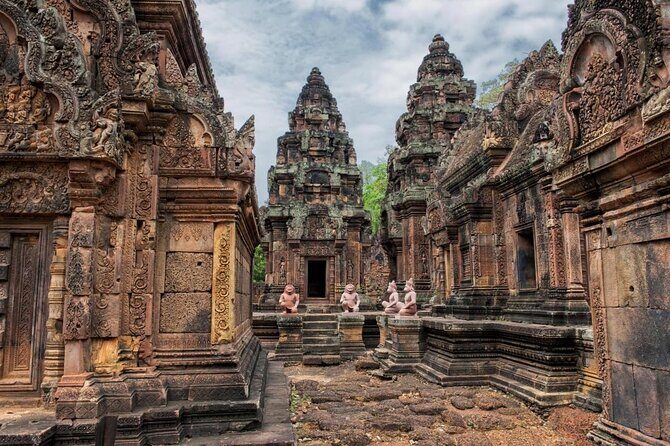
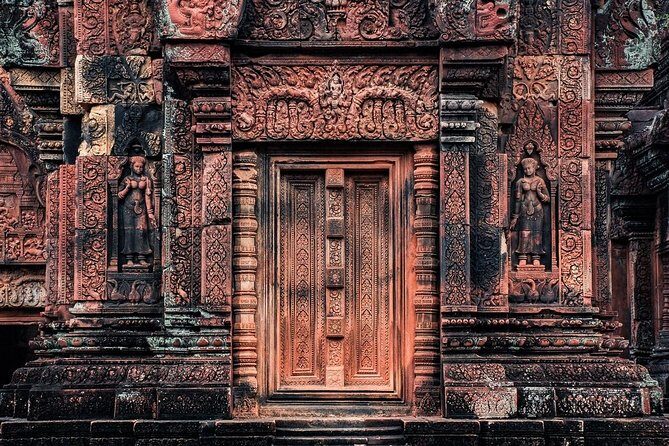
Next comes Banteay Kdei (about 45 minutes). This one is a massive Buddhist monastery dating from the late 12th century, and the pace here changes from dramatic to calm.
The “quiet and peaceful” feel matters because it gives your brain a breather. After Ta Prohm’s intense visuals, you need a stop where you can just absorb texture, carvings, and the way the temple sits within its setting. This is also a good place to slow down and let your feet recover slightly—45 minutes is enough to see the highlights without turning into a marathon.
Admission still isn’t included for the stop, so keep that same budgeting mindset.
Ta Nei: Small, Shaded, and a Little Less Restored
Then you’ll hit Ta Nei for about 30 minutes. This is described as small and fairly quiet, with less restoration than some of the more famous sites, surrounded by big trees.
That detail is important. When a temple has less restoration, you often see more of the original shapes and a more “in-the-real-world” feeling. You’re not only looking at what restoration added; you’re looking at what time did.
Ta Nei also works well in the middle of the day plan, because it’s a smaller stop between larger complexes. You get movement and variety without constantly being in the peak crowd flow.
You can also read our reviews of more evening experiences in Siem Reap

Angkor Thom: From Victory Gate to Bayon Faces
The tour then moves into Angkor Thom, with multiple short stops that build up a story as you walk.
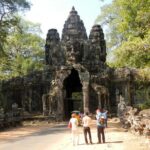
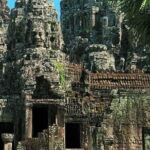
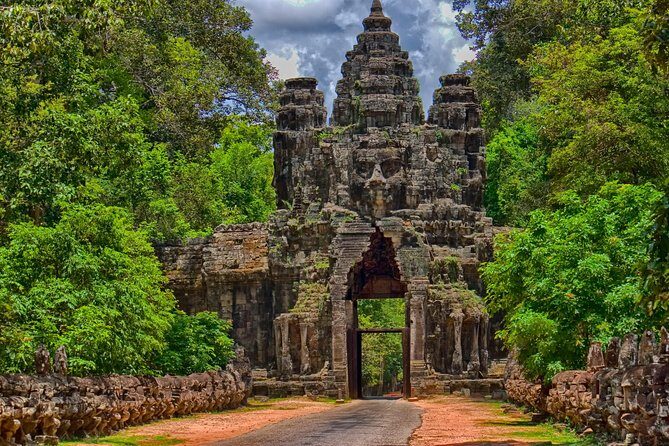
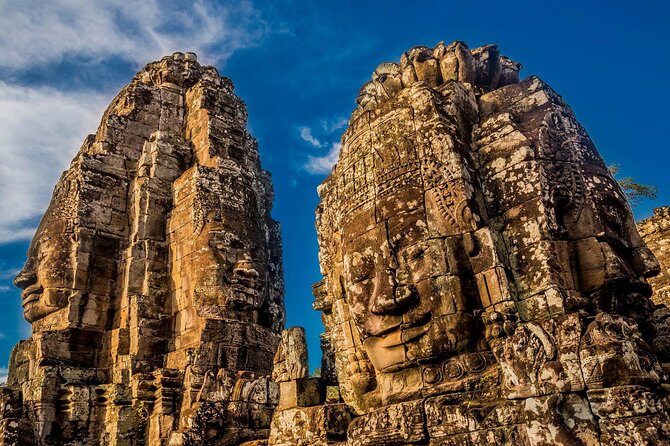
First is the Victory Gate (a quick stop for photos and a look at the east side entrance). Then you continue to Bayon Temple (about 1 hour). Bayon is famous for its 49 towers, each with four faces—so you end up surrounded by a lot of those carved expressions.
Here’s what I like about how this stop is handled: Bayon is intense, but the schedule doesn’t treat it like a one-minute selfie zone. You’ll have time to walk among the faces, turn corners slowly, and understand how the towers shape your movement.
This is also a good spot to notice something subtle: the tour layout sends you through key points in Angkor Thom that most first-timers miss when they try to DIY. With a guide, you don’t lose half your time figuring out where to go next.
Baphuon and the Royal Enclosure Wall: Hindu + Buddhist Layers
After Bayon, you’ll visit Baphuon (about 30 minutes). This is a Hindu temple built in the 11th century, and behind it is a reclining Buddha that was built later, around the 16th century.
That overlap is part of Angkor’s magic. You’re not seeing one single era bottled up. You’re seeing layers—religion, rebuilding, reuse, and changing tastes across centuries. It’s also a reminder that these monuments weren’t frozen. People kept living, worshipping, and modifying what was already there.
You’ll also continue toward the Royal Enclosure Wall area, plus other nearby royal palace remnants.
Phimeanakas: A Pyramid at the Center of the Old Palace
Next is Phimeanakas (about 20 minutes). It’s described as a pyramid Hindu temple located in the center of the old royal palace area of Angkor Thom.
Even with limited time, this stop is useful. Phimeanakas helps you understand the concept of the royal center: it’s not just another temple you pass. It’s tied to where power was imagined, built, and displayed.
Terrace of the Elephants and Terrace of the Leper King
Then you’ll get two quick but memorable wall-and-platform stops:
- Terrace of the Elephants (about 10 minutes)
- Terrace of the Leper King (about 10 minutes)
The Elephant Terrace functioned as a platform where kings could view returning victories, and the walls include elephant carvings. The Leper King Terrace is nearby and has its own distinct feel.
These are brief, so go into them with the right expectation: you’re not going to spend an hour studying each carving. Instead, you get a fast read of what the terraces were used for, plus enough time to appreciate the shapes and symbolism.
If you’re the type who loves architecture details, you’ll probably want a bit more time here, but the overall day is structured to hit a lot of ground—so it’s a tradeoff.
Preah Palilay: The Quiet One Behind the Royal Palace
After the terraces, you’ll visit Preah Palilay (about 20 minutes). This is described as a quiet Buddhist temple located behind the royal palace inside Angkor Thom.
This is a smart pacing move. After the bigger stops with bigger visuals, Preah Palilay gives you a softer landing—more stillness, less rush, and a chance to regroup before the late-day push to Phnom Bakheng.
Phnom Bakheng for Sunset: The Climb and the Crowd Rule
The last stop is Phnom Bakheng, with about 2 hours for sunset viewing. This is the moment everyone comes for: the view from the hill as the light changes and the whole Angkor area takes on that late-day glow.
The key practical detail: the peak has limited capacity. The tour info notes that if it’s busy, your guide will take you to an alternate climbing option (the route may adjust based on crowds). That matters because it reduces your chances of showing up late in the peak rush and then being stuck with a bad viewing spot.
Even with a plan, treat this part as physically active. You’re climbing, and you’ll want shoes you can trust. Also remember: the day starts at 4:45am, so your legs will feel it by late afternoon. Cool-down water helps, but you still need good footwear.
Price and What You’re Actually Paying For
The price is $88.50 per person for this private full-day tour. On its face, that’s not a tiny number, but it also includes a lot of logistics that usually cost you time (and sometimes money) if you do it on your own.
What’s included:
- Air-conditioned vehicle with driver
- Licensed English-speaking guide
- Hotel pickup and hotel drop-off
- Cool waters and cool wet towels
- Parking fees and road tolls
What’s not included:
- Lunch (listed as around $5 per person, depending on the menu)
- Admission fees (the tour specifically lists Angkor Wat at $37 per person, and every listed stop notes that tickets aren’t included)
So here’s the value math I’d do: the base price covers the guide and the transportation-heavy structure. You’re not paying extra for a second vehicle or for time lost trying to coordinate routes. You’re paying for a tight, guided itinerary that hits sunrise and then returns for sunset.
The entry fees are the big add-on. If you’re budgeting, treat the ticket costs as a separate line item rather than something that gets magically handled.
Also, you’re booking a private tour—meaning it’s just your group—so you’re paying for flexibility and attention, not just transportation.
Private Tour Comfort: The Small Things That Matter
One reason this tour works well for first-timers is that it’s designed to reduce mental load.
Instead of figuring out meeting points and entrance timing, you’re picked up at your accommodation. Instead of wandering between sites with no plan, you have a guide who keeps the day moving from stop to stop. And because it’s private, the pacing can be more direct than a group bus where you’re constantly catching up.
I also like that the tour includes cool waters and cool wet towels. That’s not glamorous, but it keeps the day from turning into a tired, cranky slog. Phnom Bakheng is far from the only warm, sun-exposed moment, so little comfort wins matter.
Who This Tour Fits Best
This is a strong choice if:
- you have one full day and want the big Angkor highlights in a logical order
- you prefer a guide to explain what you’re seeing, rather than just showing you maps
- you care about timing enough to start at 4:45am and still make it to sunset
It might be less ideal if:
- you hate early starts or long days
- you want totally unstructured time at each temple (this schedule is packed)
The private format helps with attention and navigation, but the day is still designed as a full circuit of must-sees.
Should You Book This Sunrise-to-Sunset Day?
I’d book it if your priority is a single, efficient day with sunrise at Angkor Wat and sunset at Phnom Bakheng, plus the major temples in between. The combination of early timing, guided pacing, and hotel pickup/drop-off is the kind of planning that saves you from common Angkor headaches.
If you’re very budget-focused, make sure you’re comfortable with the fact that temple admissions and lunch are extra. Also know the hill at the end is climb-and-crowd territory. When those tradeoffs fit your style, this tour gives you a clean way to see a lot without losing the meaning of what you’re visiting.
FAQ
What time does the tour start?
It starts at 4:45am, with pickup from your hotel or guest house.
How long is the full-day tour?
The duration is listed as 11 to 12 hours (approx.).
Is hotel pickup and drop-off included?
Yes. The tour includes pickup at your hotel and drop-off at your hotel.
Are meals included?
Lunch meals are not included. The tour lists $5.00 per person for lunch depending on the menu.
Is the Angkor temple admission fee included?
No. Admission fees are not included, and the tour lists Angkor Wat admission at $37.00 per person.
What’s the cancellation policy?
You can cancel for a full refund up to 24 hours before the experience starts. If you cancel less than 24 hours before, the amount paid is not refunded.