REVIEW · SIEM REAP
Private 2 Days To Major Angkor Temples From Sunrise To Sunset
Book on Viator →Operated by Angkor Wat Driver · Bookable on Viator
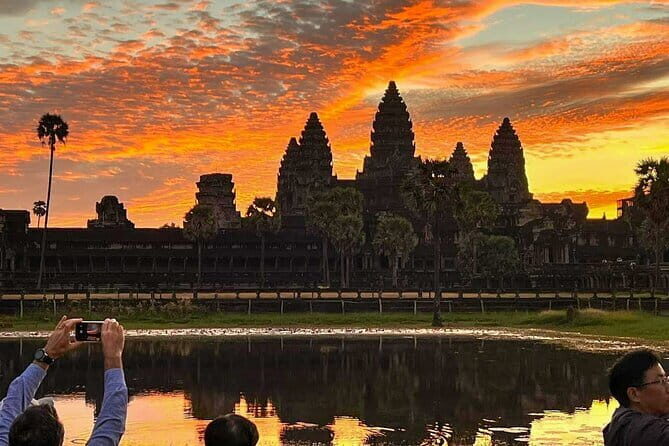
A day that starts in the dark and ends in temple glow is hard to beat. This private, sunrise-to-sunset Angkor experience is built for first-timers who want the big sights without the stress of figuring out timing, routes, and explanations on the fly. It hits the temples most people dream about, from the sunrise at Angkor Wat to the viewpoint sunset at Phnom Bakheng, with a full second day around the quieter, carved-out wonders.
What I like most is how the tour is paced around the real visual payoff moments, not just checklists. I also really appreciate the human side: multiple recent trips highlight strong English from guides like Sorporn and Soaphann, plus careful driving and thoughtful details such as cold drinks, cool towels, and even lemon-scented towels.
The main thing to consider is practical: it’s early, and it’s a lot of walking plus temple stairs. You’ll also need to budget for the temple admission pass, since it’s not included in the base price, and the tour info only clearly lists day 1 pricing.
In This Review
- Key highlights
- A Sunrise-to-Sunset Private Ride Through Angkor’s Big Names
- What’s Included (and What You Still Need to Pay) for Two Days
- Day 1: Angkor Wat Sunrise, South Gate Wonders, and Ta Prohm’s Jungle
- Day 2: Pre Rup Views, Banteay Srei Pink Sandstone, and Phnom Bakheng Sunset
- Guides, Drivers, and the Value of a Private Pace
- How to Plan Your Photos, Pace, and Comfort for Angkor
- Who This 2-Day Tour Fits Best
- Should You Book This Tour or DIY the Temples?
- FAQ
- What time does this tour start?
- How long is the experience?
- How much does it cost?
- Is hotel pickup and drop-off included?
- Are admission tickets included?
- What temples will I visit?
- Do I get mobile tickets?
- What’s included in the comfort perks?
- Is the tour affected by weather?
Key highlights
- 5:00 am sunrise start at Angkor Wat so you’re there for the light show, not the heat
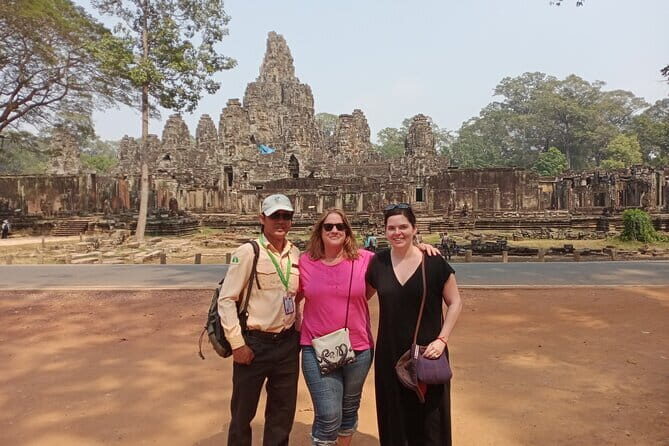
- Angkor Thom South Gate loop with Bayon, Baphuon, and the Elephant and Leper King terraces
- Ta Prohm in its jungle-overgrown state, made famous on screen and still wild in feel
- Banteay Srei pink sandstone carvings with a longer drive that pays off with detailed craftsmanship
- Phnom Bakheng sunset viewpoint to close the trip in the right light
A Sunrise-to-Sunset Private Ride Through Angkor’s Big Names
If you only have a couple days in Siem Reap, you’ll want your time to feel efficient and meaningful. This tour is designed around two of Angkor’s most emotional moments: sunrise at Angkor Wat and sunset from Phnom Bakheng. That framing matters because light changes everything here, from how stone details pop to how the whole complex feels at different hours.
I like the private setup because it doesn’t force you into a rigid herd schedule. You’re traveling with your own guide and an air-conditioned vehicle, and that makes the long day between temples feel doable. And when your guide is strong—names like Sorporn and Soaphann show up repeatedly—it’s easier to understand what you’re seeing, especially at places that look confusing at first glance.
The early start is the tradeoff. Meeting at 5:00 am means you go to bed early or you’ll be grumpy, and your legs will feel it by the afternoon. Still, the timing is exactly why this tour works: you’re not just visiting temples, you’re catching the scenes those temples are known for.
You can also read our reviews of more private tours in Siem Reap
What’s Included (and What You Still Need to Pay) for Two Days
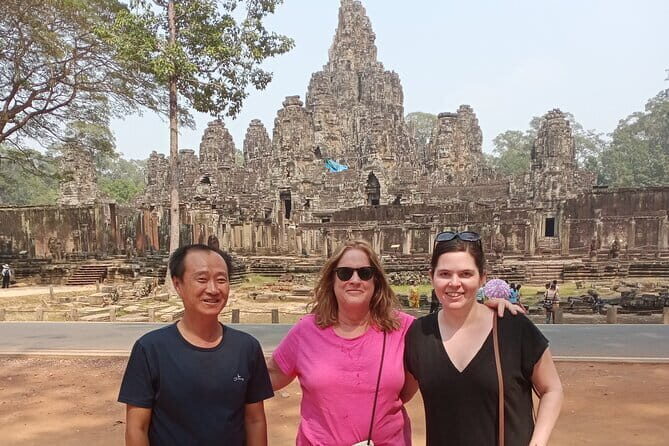
The tour includes hotel pickup and drop-off, a private guide and transportation, and an air-conditioned vehicle. You also get cold drinks and cold towels, which are small details that turn into a big deal once the sun kicks in. Recent experiences also emphasize being handed cold water after each stop, plus towels with a lemony scent—those touches help you stay focused instead of worn out.
You’ll also receive a mobile ticket. That’s convenient because you’re not scrambling for paper admissions right as you arrive.
What’s not included is the temple admission pass. The provided info states that day 1 is $37 per person for the temple attractions, and it doesn’t spell out day 2 pricing. I’d treat this as an add-on you’ll pay on top of the tour cost so there are no surprise moments when you’re checking out your final bill.
Price-wise, the tour is listed at $250 per group (up to 5) for about two days. If you’re traveling with a small group—family, friends, or a couple who wants extra flexibility—that’s often good value compared with paying guide rates for each person. If you’re traveling solo, it can be pricier, so you’ll want to decide if the private comfort and guided pacing are worth it for you.
Day 1: Angkor Wat Sunrise, South Gate Wonders, and Ta Prohm’s Jungle
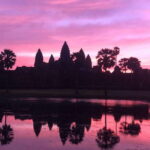
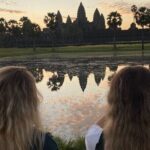
Day 1 is where Angkor grabs you by the collar. You start with sunrise over Angkor Wat at a 5:00 am start, then spend about 2.5 hours exploring the monument. This stop is the whole reason many people come here, but the real value of a guided sunrise timing is that you get the atmosphere while you still have energy. You’re not trying to fake excitement after a late morning start and a long push through crowds.
At Angkor Wat, don’t rush your eyes. I like using the time to orient yourself: see the central axis, notice how the bas-reliefs are laid out, and let the scale land. With a guide who can explain what each area represents, the visit goes from wow-stone to wow-meaning, and you spend more time noticing and less time guessing.
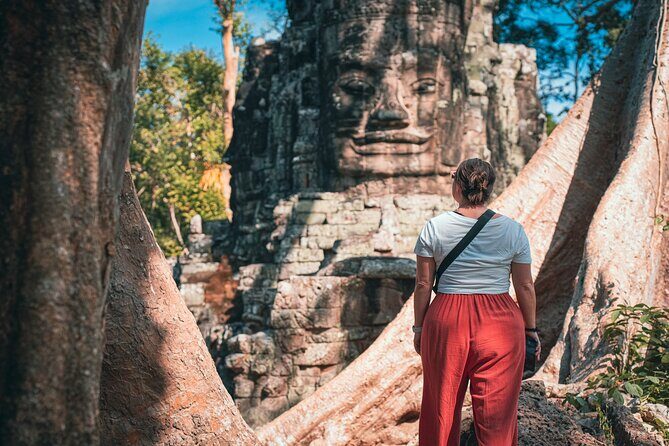
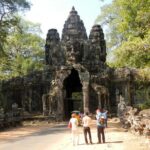
Next comes Angkor Thom, starting at the South Gate. Plan roughly 2 to 2.5 hours for Bayon, Baphuon, plus the Elephant and Leper King terraces. This is where the temple “story” becomes more human. Bayon’s faces are the headline, but it’s also the terraces—especially the Elephant and Leper King areas—that add context for how people once moved through this space.
Practical note: Angkor Thom is a lot of stone in a short time. If you tend to get “temple blur,” this is where a clear guide helps you keep track. People in these trips often mention guides like Sorporn and Soaphann being strong at English and explanation, which can turn what feels like many separate sights into one connected experience.
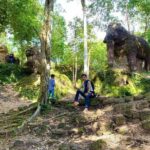
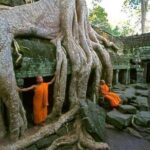
Then you head to Ta Prohm for about 1 hour. This is the temple known for the jungle-overgrown look, famously used in the film Tomb Raider, where nature and stone share the same frame. The appeal is less about structure perfection and more about mood—roots, shadows, and that half-wild feeling.
Ta Prohm can feel crowded and photo-heavy in peak moments, so the advantage of a private guide is that you’re more likely to land in good angles and calmer pocket times. The tour style also tends to include smart routing, which is a big deal when you’re trying to balance pictures and walking.
Day 2: Pre Rup Views, Banteay Srei Pink Sandstone, and Phnom Bakheng Sunset
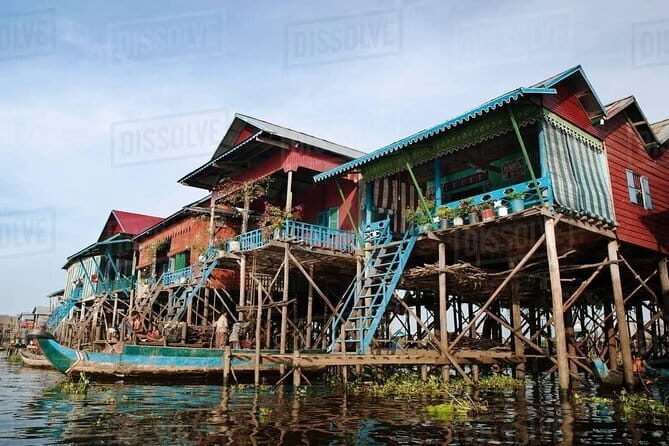
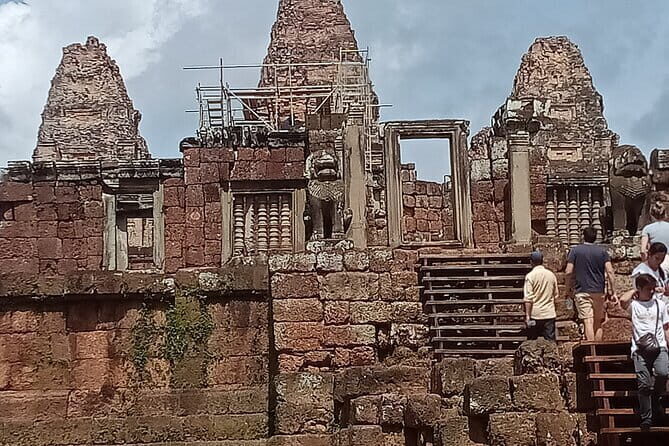
Day 2 starts later, with pickup around 8:30 am, and it stretches your Angkor experience beyond the main complex. The first stop is Pre Rup for about 1 hour, a Hindu temple dedicated to Shiva with clay brick construction. Even with limited time, this stop is worth it because you’re rewarded with views from the temple area. If you want a break from the face-staring intensity of Bayon, Pre Rup is your reset.
Next is Eastern Mebon for about 45 minutes. This one is also a clay brick temple and is known as a former island temple with similar building style to Pre Rup. You’ll see unique elephant statues on the directions, so if you like details, it’s a good mid-morning stop.
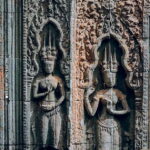
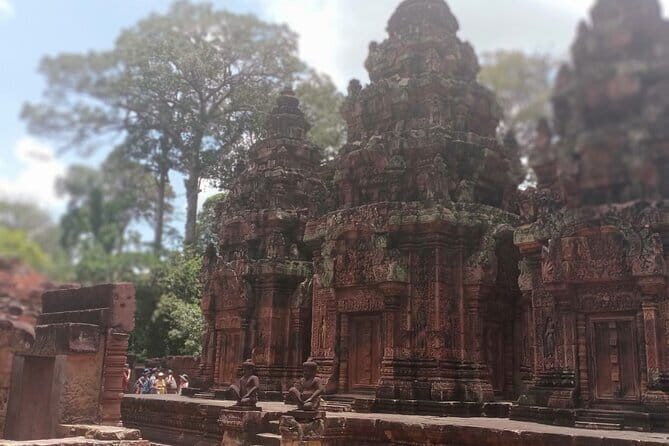
Then comes one of the most loved moments of the whole two days: Banteay Srei, the “citadel of women,” about 38 km away with a 45-minute drive. The visit is around 2 hours, and the reason it lands so well is the craftsmanship. You’re looking at intricate carvings in pink sandstone, and the temple’s size and detail level make it easier to slow down and study.
Banteay Srei is also a good place for a guided stop because the stories behind the carving themes help you avoid the feeling of watching stone patterns without context. If you’re traveling with kids, this is often the kind of stop where a guide’s ability to explain clearly matters.
After lunch break nearby, the tour continues to Ta Som for about 35 minutes. This is a Buddhist temple with an overgrown condition and smiling Buddha faces on the entry gate. It’s not as famous as Ta Prohm, but it fits well into the day because it keeps the tone softer and more mysterious instead of turning into another giant highlight.
Then you go to Neak Pean for about 45 minutes, described as an island temple that was once an ancient hospital using holy water to treat sickness. The name Neak Poan translates to the coiled of serpent, and the site originally connects to Buddhist tradition. Even if you’re not focused on spiritual meaning, I find the layout itself helps you imagine how people used sacred water as part of daily ideas of healing and protection.
Next is Preah Khan for about 1 hour. It’s noted as the second largest temple after Angkor Wat and dedicated to Mahayana Buddhism. This stop is described as serene, still in a more natural state, with a large central stupa tower. If Day 1 felt like you were moving through big symbolism, Preah Khan helps slow the mind and let the temple do its quiet work.
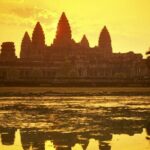
Finally, you end with Phnom Bakheng for about 1 hour for sunset over Angkor Wat. This is the classic final image moment: you’re on a hilltop looking back across the complex, and Angkor starts to feel less like stone work and more like a whole city of light. It’s a fitting finish because the day ends on atmosphere, not just another building.
Guides, Drivers, and the Value of a Private Pace
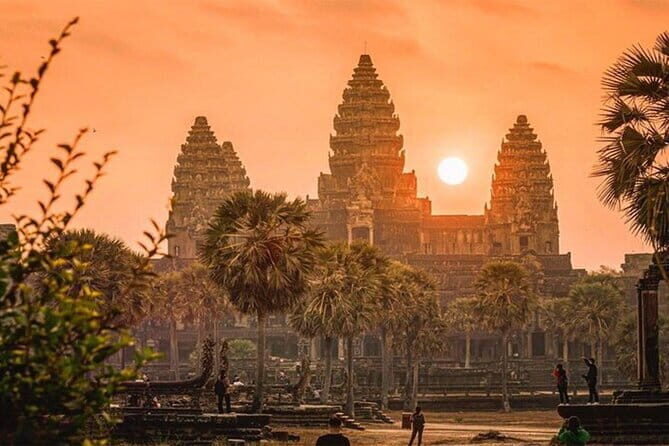
The biggest quality difference between a private tour and a DIY day is how the guide and driver manage time, movement, and your attention. In these experiences, the recurring pattern is calm, safe driving plus smart adjustments. People highlighted drivers like Mr Wan and Seiha, and guides such as Sorporn and Tay Peanh. The names vary, but the service style stays consistent: punctual, careful, and ready with what you need.
Cold towels and cold drinks are included, but it’s the timing that helps. When someone hands you water right after a hike up temple steps, you feel like the day is being managed instead of endured. One report specifically called out towel scent, which tells you they pay attention to comfort, not just logistics.
The other big advantage is language. English-speaking guides show up in the feedback, and that matters in Cambodia where the temple meaning isn’t obvious from signage alone. When you understand what you’re looking at, you naturally spend longer on details like terraces and carvings, not just taking a few quick photos and moving on.
Also, one of the best signs of a good private guide is flexibility for real life. There were mentions of customizing the itinerary for families and accommodating a small child. If you’ve got kids or anyone who needs a gentler pace, private is usually the better option than locking into a fixed-group schedule.
You can also read our reviews of more evening experiences in Siem Reap

How to Plan Your Photos, Pace, and Comfort for Angkor
Angkor rewards patience, but your body needs a plan. This tour includes multiple long temple walks, and it’s noted as suitable for moderate physical fitness. I’d interpret that as: you should be comfortable with uneven stone surfaces, stairs, and moving for extended periods. If that’s not your comfort zone, you’ll want to go slower and let the guide know early so they can adjust.
Bring a simple kit:
- Comfortable shoes with grip
- Sunscreen and a hat (morning to evening exposure happens fast)
- Light layers for early starts
- A small refillable water bottle, even though cold drinks are provided
For photos, sunrise and sunset are the easy wins, but don’t ignore mid-day angles. A good guide helps you find photo spots and routes that avoid the heaviest crowd moments. In the recent experiences, people explicitly praised the ability to manage routes and timing for pictures, which is exactly what you want in a private setup.
One more tip: keep your expectations realistic. This is a lot to see in two days. Even with the best pacing, you won’t memorize every detail. Instead, aim to notice what changes from stop to stop: face styles at Bayon, carvings at Banteay Srei, and the jungle drama at Ta Prohm. Your brain will enjoy the contrasts.
Who This 2-Day Tour Fits Best
This tour is a strong match if you:
- Want the most important Angkor sights in two days without planning stress
- Prefer a private guide who can explain what you’re seeing in English
- Care about timing for sunrise and sunset
- Travel with family and value comfort and customization
- Appreciate photo-friendly routing and fewer headache moments
It may not fit as well if you:
- Want the cheapest possible way to visit temples (the base price plus admissions will add up)
- Hate early mornings and long walking days
- Prefer total self-guided freedom with no fixed flow
The sweet spot is first-time Siem Reap visitors who want a guided, comfortable, high-value route that still feels authentic.
Should You Book This Tour or DIY the Temples?
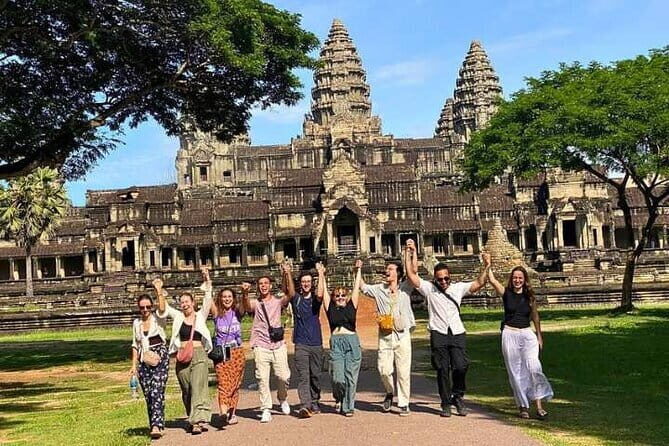
Book it if you want the classic Angkor story told in the right order: Angkor Wat at sunrise, Angkor Thom’s big symbolism, Ta Prohm’s jungle mood, then day two’s Pre Rup viewpoint, Banteay Srei carvings, and a final sunset payoff at Phnom Bakheng. The included cold drinks, towels, air-conditioned vehicle, and hotel pickup also remove the friction that can ruin a long temple day.
Consider DIY instead if you’re comfortable building your own schedule and you’re happy translating temple meaning with minimal guidance. DIY can work, but it’s harder when you’re trying to nail sunrise timing and keep the day from becoming a logistical mess.
For most people—especially those traveling in a small group—the private structure and clear day design make this a smart use of limited time in Cambodia.
FAQ
What time does this tour start?
The tour meeting time is 5:00 am.
How long is the experience?
It’s listed as 2 days (approx.).
How much does it cost?
The price is $250 per group, up to 5 people.
Is hotel pickup and drop-off included?
Yes. Hotel pick up and drop off are included.
Are admission tickets included?
No. The temple admission pass is not included. The provided info lists $37 per person for day 1.
What temples will I visit?
You’ll visit Angkor Wat, Angkor Thom (including Bayon and Baphuon), Ta Prohm, plus on day 2: Pre Rup, Eastern Mebon, Banteay Srei, Ta Som, Neak Pean, Preah Khan, and Phnom Bakheng.
Do I get mobile tickets?
Yes. The tour includes a mobile ticket.
What’s included in the comfort perks?
You’ll get cold drinks and cold towels, plus a private guide, an air-conditioned vehicle, and transportation services.
Is the tour affected by weather?
Yes. It requires good weather, and if it’s canceled due to poor weather, you’ll be offered a different date or a full refund.
If you tell me your group size (just 2? 4? 5?) and whether you’re traveling with kids or anyone with limited mobility, I can help you sanity-check if the two-day pace is right for your style.