REVIEW · SIEM REAP
2-Day private Tours in Angkor Wat, Ta Prohm & Kampong Phluk Eco-tourism
Book on Viator →Operated by Journey2 Angkor · Bookable on Viator
Angkor Wat gets all the hype, but this tour also hands you the countryside version of Cambodia. You’ll start with Kampong Phluk’s mangrove stilt homes and a boat ride, then move into temple time with an early Angkor Wat sunrise plus the big Angkor Thom highlights. What I like most is the pacing across two very different worlds, and the fact that you’re not stuck on a crowded bus all day. One consideration: temple entrance fees are separate, so you’ll want to budget extra on top of the $75 price.
The standout perk here is the human scale: it’s a private tour with an English-speaking guide, pick-up and drop-off, and bottled water. Guides have a track record for explaining the meaning of what you’re seeing, too—Sim and Sokoan both show up in reviews for clear answers and a calm, caring vibe during the long day.
In This Review
- A few practical highlights before you go
- Key points to know
- The value of a two-day mix: temples plus real life
- Day one in Kampong Phluk: floating village energy without the noise
- Ro Lous Market: a quick hit of morning river life
- Artisans Angkor: Khmer crafts with a social mission
- Day two: the pre-dawn Angkor Wat sunrise plan that sets the tone
- Ta Prohm: the jungle temple stop that feels like a movie set
- Angkor Thom circuit: South Gate, Bayon, and the Terrace lineup
- Two quick extra pauses inside Angkor Thom
- Price and what you’re really paying for
- What’s included, what’s not, and how to pack smarter
- Who this tour fits best
- Should you book this private 2-day Angkor + Kampong Phluk tour?
- FAQ
- Is this tour private?
- Does the tour include hotel pick-up and drop-off?
- Is Angkor Wat sunrise part of the plan?
- Do I need to pay temple entrance fees?
- Is a boat ride included?
- What should I wear for the walking?
A few practical highlights before you go
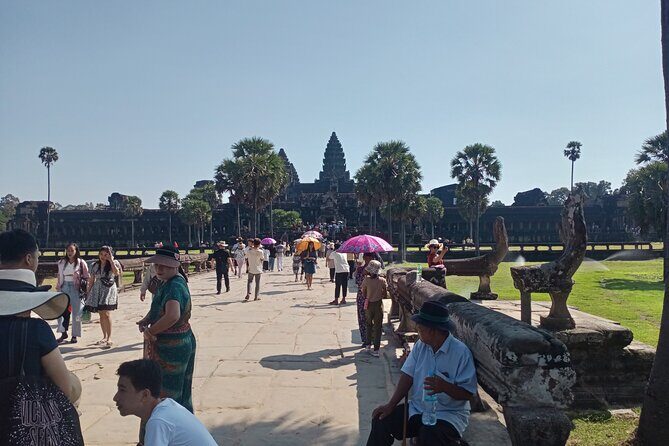
You’ll get a full Angkor circuit without feeling rushed, and you’ll also see daily life beyond the temple walls. The main “wait” moments are the early sunrise start and a few short transition stops, so comfortable shoes matter more than fancy outfits.
Key points to know
- Pre-dawn Angkor Wat sunrise with time for major temple areas
- Kampong Phluk mangrove boat ride through flooded forest and village life
- Angkor Thom temple set including Bayon and the Terraces of Elephants and Leper King
- Ta Prohm’s jungle atmosphere in a more relaxed two-day flow
- Social enterprise stop at Artisans Angkor for hands-on context on Khmer crafts
- Private vehicle + English guide keeps the day flexible and easier to follow
You can also read our reviews of more private tours in Siem Reap
The value of a two-day mix: temples plus real life
This is the kind of Siem Reap plan I like because it avoids the all-temptles, all-day trap. You get two very different experiences in one trip: the water-and-mangrove world around Tonlé Sap on day one, then the massive Angkor complex on day two, with the sunrise built in.
For me, the best value is the pairing. Seeing Khmer temple design without the surrounding daily life can feel one-dimensional. Here, Kampong Phluk gives you context for how people live with the lake and seasonal flooding—then Angkor’s stone scale hits harder because you’ve already seen what “place” looks like in Cambodia.
It’s also practical. A private vehicle means fewer stress points: less time hunting meeting points, less standing around, and smoother transitions between temple gates, viewpoints, and walking sections. And yes, you’re paying a separate entrance fee for Angkor temples, but you still land a solid deal for a two-day package that includes guide time, pick-up/drop-off, and a short boat ride.
Day one in Kampong Phluk: floating village energy without the noise
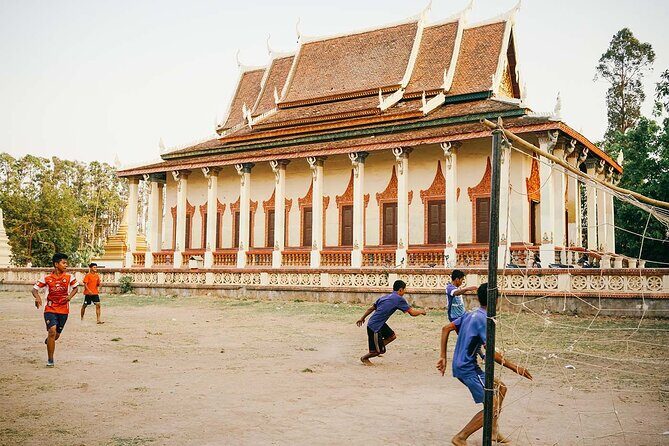
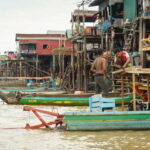
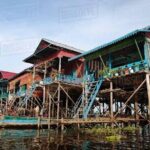
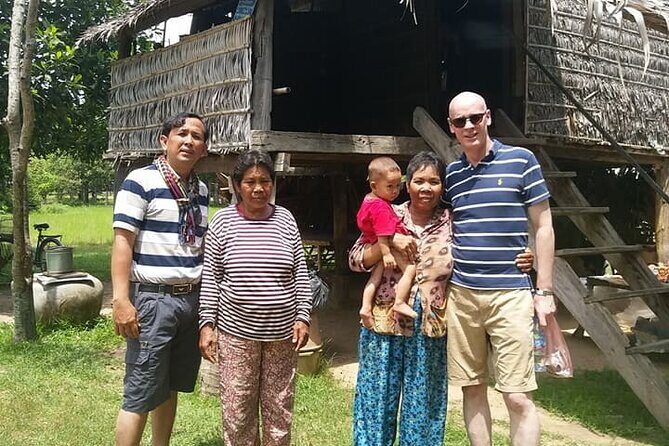
Day one starts away from the temple crowds. You’ll ride out through the countryside and head toward Kampong Phluk, a fishing community where houses and buildings sit on stilts due to flooding. The experience is built around that seasonal reality: the mangroves and flooded zones shape where people work, travel, and live.
What you’ll actually do here is simple and memorable:
- You spend time at Kampong Phluk itself.
- You take part in the village rhythm, including a chance to walk through parts of the community.
- You add a short boat ride through the fishing area and mangrove trees.
The boat component matters. You can stare at photos all day, but being on the water gives you scale and sound. You’ll see how the stilt homes relate to waterways and how the forest and water blend during the wet season.
One practical note: it can be hot and humid, so this is the day where your timing and shoe choice matter. Bring a real walking mindset, not a flip-flop mindset.
Ro Lous Market: a quick hit of morning river life
After the countryside driving, you stop at Ro Lous Market, located on the bank of the Rolous River. The main value of a market stop on a tour like this is that it breaks the “temple bubble.” You see how locals shop in the morning (and late afternoon, based on how the market is described), and you get a sense of what’s normal here.
This stop is timed to feel like a pause, not a full shopping spree. It’s also an easy way to learn things your brain wouldn’t guess from temple-only sightseeing—what people buy, the pace of transactions, and the everyday geography of village life.
If markets aren’t your thing, don’t worry. It’s not presented as a shopping obligation; it’s more of a window into daily routines.
Artisans Angkor: Khmer crafts with a social mission
Next comes Artisans Angkor, described as a Cambodian social business that supports job opportunities for young people in rural areas while reviving traditional Khmer craftsmanship. The kinds of work mentioned include stone and wood carving, painting on statues, and lacquering.
Why this stop is worth your time (even if you’re not buying souvenirs):
- It helps you understand that Angkor style didn’t just “happen in the past.” Skills survive because people keep practicing them.
- It connects craftsmanship to livelihoods, not just aesthetics.
This is also a good mid-day mental break. Temples ask you to look closely at symbols and layout. Artisans asks you to look closely at technique and materials.
A few more Siem Reap tours and experiences worth a look

Day two: the pre-dawn Angkor Wat sunrise plan that sets the tone
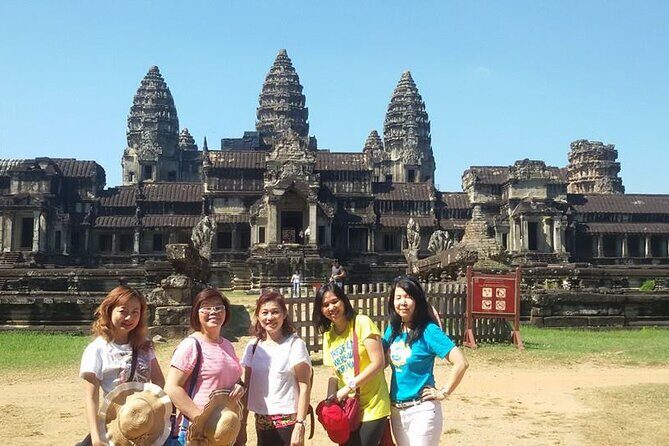
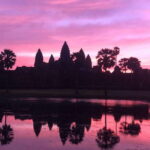
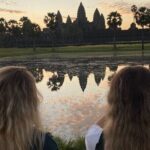
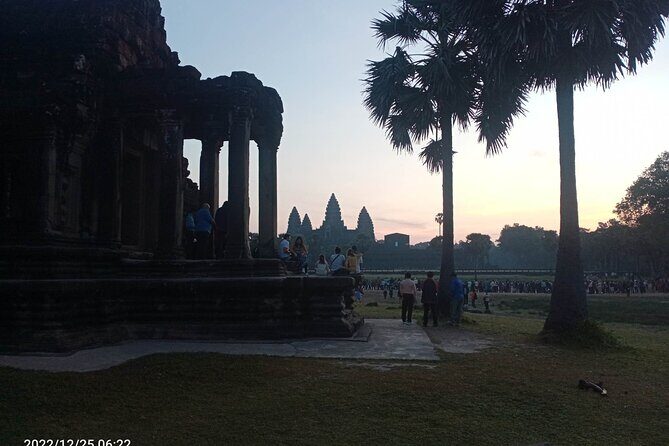
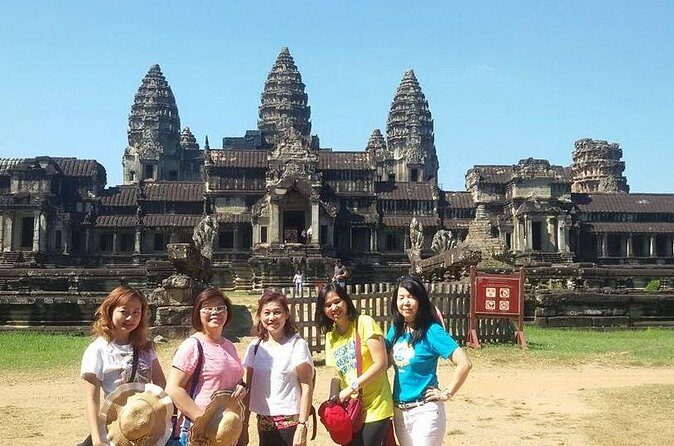
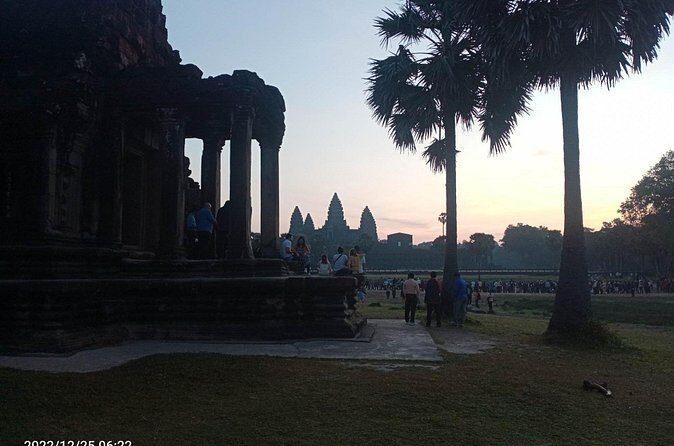
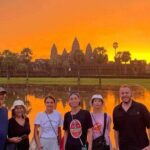
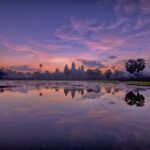
Angkor Wat sunrise is one of those experiences that can turn into either magic or misery, depending on logistics. The plan here is built for sunrise timing: you start before dawn, travel to Angkor Wat, and have a guided explanation of its history and culture before you move through the big temple spaces.
Expect a lot of contrast:
- Early light makes the stone look different than it does at noon.
- The crowds tend to behave differently when it’s still dark and cool.
From a practical standpoint, the guide’s role is crucial. The sunrise is the headline, but you’ll get much more out of it if someone explains what you’re seeing while you’re standing there—why the complex is arranged the way it is, what the temple represents, and how it connects to broader Khmer culture.
You then move from the sunrise viewing into exploring the central chambers and upper terraces. That means more walking, but also more chances to understand the temple in layers, not just as a single photo angle.
Ta Prohm: the jungle temple stop that feels like a movie set
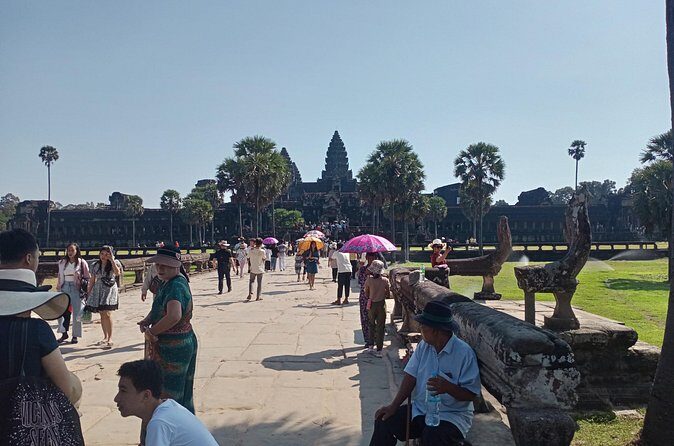
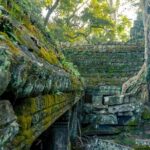
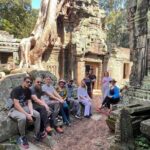
After breakfast, the day shifts from the grandeur of Angkor Wat to Ta Prohm, the temple famous for being enveloped by trees and roots. It’s often called the Tomb Raider temple, and while that nickname isn’t the point, the feeling is real: the temple looks alive, like nature is still negotiating with stone.
You’ll spend about an hour here, which is a sweet spot. Enough time to walk the main areas and notice the structure, but not so long that you melt in the heat.
In a two-day plan, Ta Prohm works well because it’s atmosphere-heavy. After the early sunrise and Angkor Wat scale, Ta Prohm gives your eyes a different job: textures, shadows, and the sense of the temple being reclaimed over time.
Angkor Thom circuit: South Gate, Bayon, and the Terrace lineup
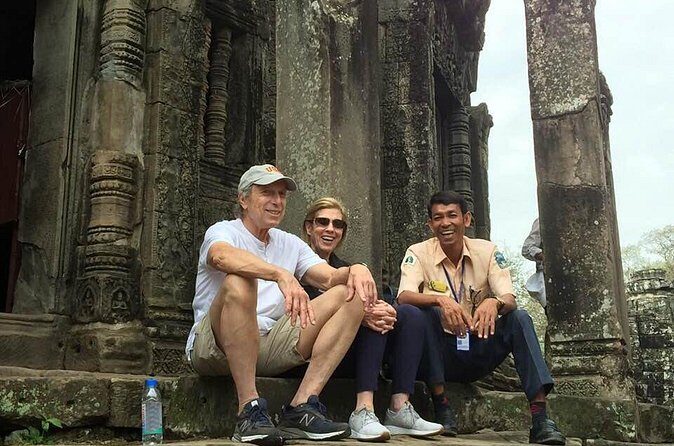
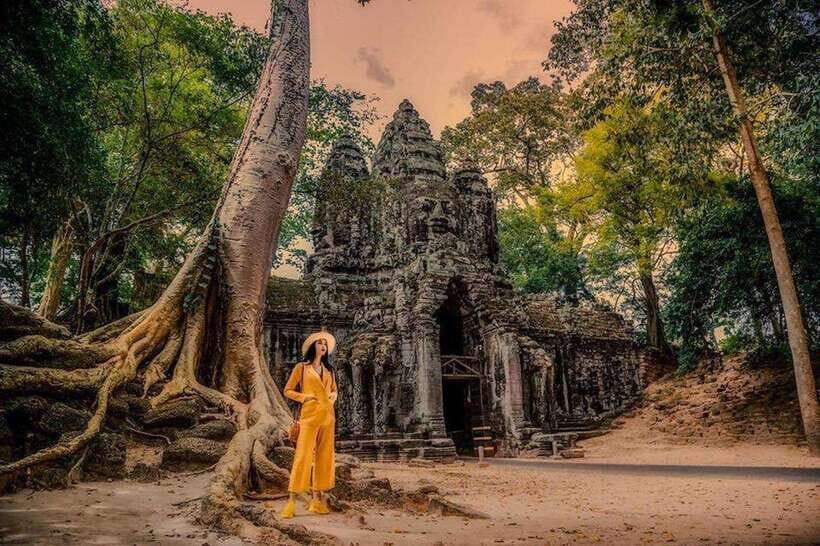
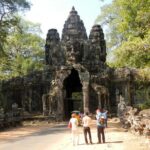
The heart of day two after Ta Prohm is a classic Angkor Thom run. You start with the South Gate of Angkor Thom, flanked by rows of stone figures described as 54 on each side. Even if you don’t count them, that detail tells you what’s waiting: strong symmetry, guarded entry energy, and a feeling of moving into an older, fortified world.
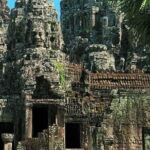
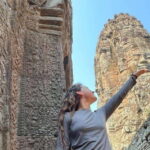
Then you go to Bayon Temple, built in the early 13th century as the state temple of King Jayavarman VII. Bayon is one of those stops where the guide really earns their keep. The architecture is busy—faces, towers, and layers. A clear explanation helps you see the temple as a designed statement rather than just a set of carvings.
From there, you continue through nearby Angkor Thom temples and the terrace sequence:
- Baphuon Temple: described as a three-tiered temple mountain built in the mid-11th century.
- Phimeanakas: also spelled Vimeanakas in the description, a celestial temple from the end of the 10th century, completed later.
- Terrace of the Elephants: a long, 350m reviewing-stand style space used for ceremonies and grand audiences.
- Terrace of the Leper King: the U-shaped structure often associated with royal purposes under Jayavarman VII.
These terrace stops are short, but that can be good. They’re designed like punctuation marks between heavier sites. You get a change of viewpoint, a different scale, and a chance to understand how the royal city functioned—ceremony spaces, processional grounds, and performance-like settings carved into stone.
Two quick extra pauses inside Angkor Thom
You also have a couple of brief extra stops inside Angkor Thom: one described as a place many tourists might not see, and another as a “secret stop” that sets the tone for the day. These segments are timed around 10 minutes each, so treat them as short photo-and-context breaks rather than major sightseeing anchors.
The good part of having these moments in a structured tour is that you’re not just bouncing from one ticketed highlight to the next. You get at least a small dose of unpredictability, guided by someone who knows where to take you.
Price and what you’re really paying for
The tour price is listed as $75.00 per person, for about two days. On top of that, you should budget an entrance fee listed as $37.00 per person (and the guide sends a link to purchase the temple entrance e-ticket days in advance).
So your base math looks like:
- Tour: $75/person
- Temple entrance: $37/person
- Total estimate: about $112 per person, before meals and accommodation
Now the value question: does it make sense? For me, it does if you’re prioritizing three things:
1) Private guide time across sunrise and major temple zones
2) Transportation that keeps days moving
3) Two-day variety, including a countryside/mangrove experience plus multiple Angkor stops
If you’re trying to travel on the absolute lowest budget, you could potentially piece together cheaper public transport options. But if you have only two days in Siem Reap and you want the day to feel organized, private vehicle + guided flow is what makes this worth it.
What’s included, what’s not, and how to pack smarter
Included items are straightforward and helpful: an English-speaking tour guide, private comfortable vehicle, hotel pick-up and drop-off, a short boat ride, and bottled water. The “private vehicle” piece is more important than it sounds. In Angkor, walking adds up fast, and having smooth transit reduces fatigue.
Not included: accommodation and meals, plus the entrance fee mentioned above.
Packing and comfort tips from the provided guidance:
- Wear flat shoes that are comfortable for walking.
- Bring sun protection and plan for heat, especially during daytime temple walking.
Also, keep in mind that the tour is described as near public transportation and that most people can participate. Since this is a private activity, only your group will join in—so you avoid the frustration of being stuck at someone else’s pace.
Who this tour fits best
This is a strong fit if:
- You want two days in Siem Reap but you don’t want your trip split into separate booking chaos.
- You care about both temples and the Tonlé Sap / mangrove living world.
- You prefer a guide who can answer questions and keep the story connected, not just recite facts. Reviews mention strong guide performance from Sim and Sokoan, including clear explanations and attentive care.
It may be less ideal if:
- You hate early starts. Sunrise means you’re up before dawn on day two.
- You want a purely lounging style vacation. Even though some stops are short, the overall plan includes walking.
Should you book this private 2-day Angkor + Kampong Phluk tour?
I’d book it if your goal is to maximize your limited time in Siem Reap while still seeing life beyond the temple map. The combination of Kampong Phluk and sunrise-focused Angkor Wat gives you both scale and context, and the private vehicle setup keeps the whole schedule realistic.
Before you decide, do two quick checks:
- Budget for the separate temple entrance fee ($37/person) plus your own meals.
- Confirm you’re good with early mornings and walking, especially around Angkor and Ta Prohm.
If that sounds like you, this tour’s format is exactly what you want: guided, organized, and balanced between stone monuments and the watery countryside that made the region possible in the first place.
FAQ
Is this tour private?
Yes. It’s a private tour/activity, and only your group will participate.
Does the tour include hotel pick-up and drop-off?
Yes. Hotel pick-up and drop-off are included.
Is Angkor Wat sunrise part of the plan?
Yes. The tour is designed for a pre-dawn sunrise visit at Angkor Wat.
Do I need to pay temple entrance fees?
Yes. Entrance fees are not included, and the tour lists an entrance fee of $37.00 per person. The guide will send a link to purchase the temple entrance e-ticket in advance.
Is a boat ride included?
Yes. A short boat ride is included.
What should I wear for the walking?
Wear flat shoes that are comfortable for walking.