Five days, and you still won’t see it all. That’s the good news about this private Angkor Wat plan: it spreads the big sights and the off-main-temple stops across several days, with a private guide and an itinerary you can adjust to your pace. I especially liked the mix of major monuments plus places where the trees and vines still feel like they’re part of the story, and I also like how early mornings make Angkor feel less like a traffic jam.
The main consideration is simple: you’ll need to budget for site fees you pay separately (the Phnom Kulen ticket, boat ticket, and the temple pass/5-day temple ticket), plus meals aren’t included. Plan for hot weather, bring sun protection, and expect long days in the car and on foot.
This is built for small groups (up to 3), with daily pickup from your Siem Reap accommodation and a driver plus an English-speaking guide. You’ll get mineral water and cold handkerchiefs each day, which sounds minor until you’re standing in Khmer heat for hours.
In This Review
- Key highlights I’d prioritize
- A five-day Angkor Wat plan that makes sense
- Your private team: guide + driver, with real flexibility
- Day 1 at Phnom Kulen: where the Angkor story starts
- Day 2: Beng Mealea jungle temple and Tonle Sap’s lake life
- Day 3 in Angkor Archaeological Park: Angkor Thom and Ta Prohm
- Day 4: Preah Khan, the big circuit, and Angkor Wat time
- Day 5: Angkor Wat sunrise, Banteay Srei, and a short Roluos stop
- Price and logistics: what you pay for, what you pay extra
- Staying comfortable in the heat: dress code and smart pacing
- Who this tour is best for
- Should you book this private 5-day Angkor Wat tour?
- FAQ
- How long is the tour?
- How many people are included in the private group?
- What time does the tour start?
- Is hotel pickup included each day?
- Is there a temple pass included?
- What tickets or fees are not included?
- What’s the dress code for visiting temples?
- Is the Landmine Museum included?
Key highlights I’d prioritize
- Phnom Kulen start at 7:30am: the legend-focused morning before you hit the temple circuit
- Beng Mealea’s jungle-overgrown scale: a big, easy-to-love contrast to the polished Angkor cores
- Tonle Sap rhythm via Kampong Phluk and Phnom Bakheng sunset: lake views plus a photogenic finish
- Full Angkor circuit coverage with breaks: Angkor Thom, Ta Prohm, Preah Khan, and Angkor Wat spread across days
- Sunrise at Angkor Wat (5:00am): one of the best ways to experience the main site
- Optional Landmine Museum stop: a meaningful detour if you want more than temples
A five-day Angkor Wat plan that makes sense
Angkor is the kind of place where a one-day plan feels like sightseeing on fast-forward. This tour is designed for people who already have (or will buy) a multi-day Angkor Temple pass, and it uses that time well—by rotating between temple clusters instead of hammering the same stones all day.
I like the “big picture, then details” approach here. You get the headline moments at Angkor Wat and Angkor Thom, but you also get room for lesser-visited temples and the kind of detours that make your trip feel personal rather than checklist-driven.
There’s also a practical reason five days helps: the schedule includes early starts (including a 5:00am sunrise) and long temple days (several 8-hour blocks). With a private vehicle and a guide, you’re not constantly negotiating buses or waiting in line without knowing where to go next.
You can also read our reviews of more private tours in Siem Reap
Your private team: guide + driver, with real flexibility
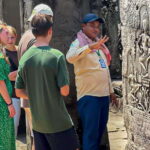
This is not a big-group bus tour. It’s private, meaning your group goes with the driver and an English-speaking licensed tour guide, with daily pickup from your accommodation.
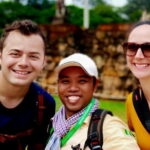
A theme in past experiences was how the team kept things running smoothly from the start. Guides such as Tom and Sa are mentioned for being cheerful, punctual, and helpful, and Kris (the operator/host name used in feedback) shows up as the person who handles communication and keeps the plan moving. People also highlighted flexibility—like adjusting on the fly when a stop needs more time.
For you, this matters because Angkor days are long and temperature-heavy. A good guide helps you pace your walking, plan shade and restroom breaks, and steer you toward the best moments to see what you came for.
Day 1 at Phnom Kulen: where the Angkor story starts
You start early, around 7:30am, heading to Phnom Kulen National Park. The tour frames Kulen as the mountain connected to the start of the royal era around King Jayavarman II and the linga cult in 802 AD—so you’re not just visiting a scenic park; you’re beginning the narrative that leads toward Angkor.
The itinerary sets aside about 6 hours for this day. It also notes the possibility of free admission in the schedule, but Phnom Kulen ticket fees are listed as not included—so in real life, assume there will be an entry fee you pay directly.
What I like about starting at Kulen is that it breaks up the “all temples, all the time” feeling. You get a morning that’s more grounded in setting and origins, before you later spend days in Angkor’s stone city.
Day 2: Beng Mealea jungle temple and Tonle Sap’s lake life
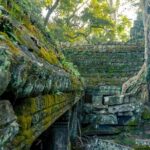
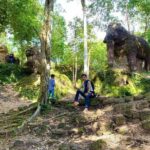
Day two begins with Prasat Beng Mealea. This is a sprawling temple complex—about 65 km out in the plan—with the kind of overgrowth you want after seeing the restored grandeur of the main circuit. The tour description calls it largely overrun by vegetation, covering more than one square kilometer.
You get about 3 hours here. That’s a sweet spot: long enough to wander, take photos, and notice how the ruins sit in the landscape, but not so long that you’re cooked by heat before you move on.
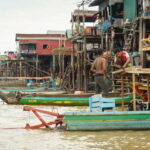
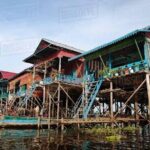
From there, you stop en route at Kampong Phluk floating village on Tonle Sap Lake. The schedule places this as a mid-to-late day stop and mentions boat time as a separate cost (boat ticket fee not included). Tonle Sap is one of those places where you see Cambodia’s relationship with water rather than just history carved into stone.
The tour includes a moment to buy a 3-day temple pass for the next days, timed around 4:30pm, before you head to sunset at Phnom Bakheng. Sunset at Phnom Bakheng is a classic way to end the day visually, but it does require planning: you’ll want sun protection and a calm mindset, because evening crowds and light can change fast.
Day 3 in Angkor Archaeological Park: Angkor Thom and Ta Prohm
On day three you start around 8:30am, with a heavy but organized day in Angkor Archaeological Park.
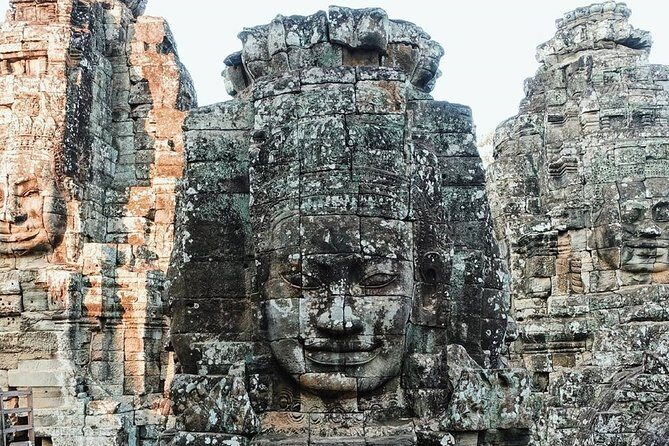
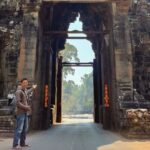
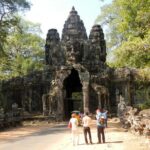
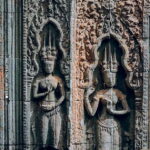
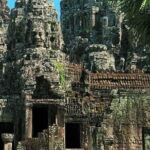
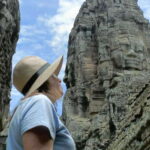
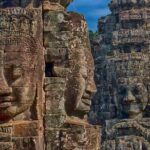
First stop: Angkor Thom, including the South Gate, Bayon, Baphuon, and Phimeanakas. You also visit the Terrace of the Elephants, the Terrace of the Leper King, plus North Khleang and South Khleang. This part of the day is where Angkor’s “city center” feeling hits hard—thick stone walls, formal geometry, and details everywhere if you slow down.
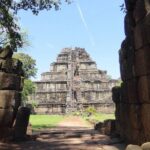
Then the tour shifts to some smaller temples on the small circuit: Chau Say Tevoda, Thommanon, and Ta Keo. The value of mixing big and smaller sites is that you don’t feel like you’re repeating the same temple style in a loop.
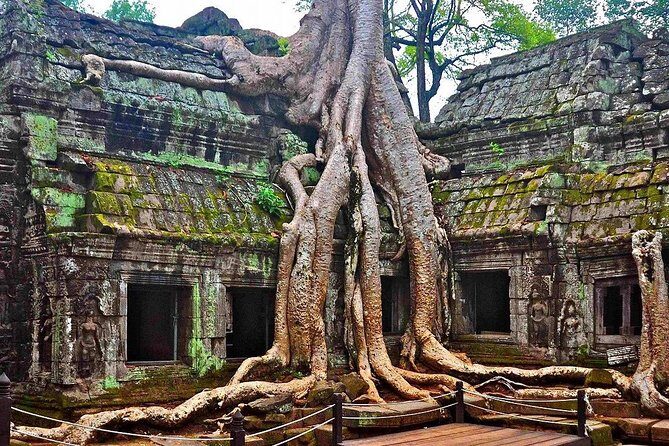
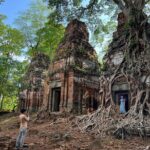
The day ends with Ta Prohm, described as the filming location for Tomb Raider. I wouldn’t come here expecting a movie set look-alike—but you do get a temple that feels haunting and alive because of the trees growing through the ruins. It’s one of the best spots for getting that “how is this still standing?” feeling.
The schedule allows about 8 hours. That’s a long temple day, so ask your guide for pacing early in the morning—short breaks add up more than you think.
A few more Siem Reap tours and experiences worth a look
Day 4: Preah Khan, the big circuit, and Angkor Wat time
Day four starts again around 8:30am and follows a similar rhythm: big temple cluster first, then a set of stops that gradually funnels you toward the main stage.
You begin with Preah Khan, described as a huge monastic complex with deep exploration potential. After that, the plan includes Neak Pean, Ta Som, East Mebon, Pre Rup, and Banteay Kdei.
This is one reason I like the structure. Those sites each have their own feel—some more open, some more architectural, some more “let’s walk and look carefully.” A private guide helps you connect the visual patterns across the day instead of treating each temple like a standalone photo stop.
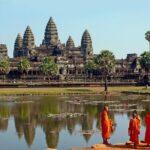
Then you head to Angkor Wat and explore at your leisure. That phrase matters. After days where you’re moving briskly, getting a chunk of flexible time at Angkor Wat lets you return to what you loved earlier—or slow down for details you rushed past on day four.
Day 5: Angkor Wat sunrise, Banteay Srei, and a short Roluos stop
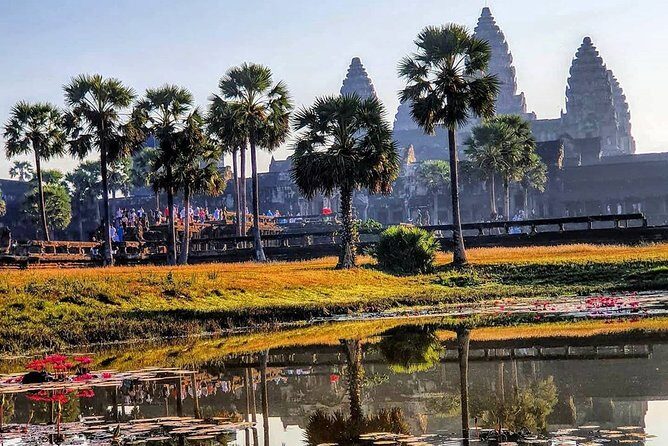
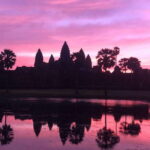
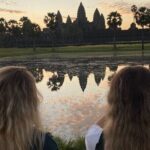
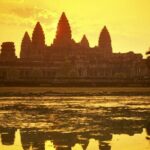
Day five is the “early alarm” day. The plan starts around 5:00am for sunrise at Angkor Wat. This is the kind of timing that rewards patience: sunrise light changes everything on Angkor Wat’s stone, and it feels quieter and more grounded before the full daytime wave.
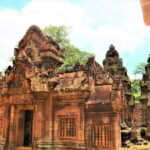
After sunrise, you visit Banteay Samre on the way (one temple stop in the plan), then travel about 37 km to Banteay Srei. The description also highlights the chance to see a traditional Khmer village and palm sugar production. That’s a great change of pace from temple stone—because it reminds you people still live in this region, not just visit it.
The tour notes an optional detour to the Landmine Museum along the way. It lists an admission fee of $5 per person, so this is a “if you’re interested, add it” choice, not a must-do.
The plan also includes the Roluos Temples as a shorter stop: Bakong, Preah Ko, and Lolei, described as remains of Hariharalaya, the first major capital of the Angkorian-era. Even if it’s brief, it helps you understand Angkor didn’t appear from nowhere—it evolved.
Price and logistics: what you pay for, what you pay extra
The cost is $551 per group, up to 3 people, for about 5 days. For Cambodia, that price makes sense because you’re paying for a private vehicle, fuel, and a fully licensed English-speaking guide across multiple long days.
What’s included:
- Private transport (Mini LEXUS RX300 or Minivan Mercedes Istana) with gasoline and driver
- Fully licensed English-speaking tour guide
- Mineral drinking water and cold handkerchiefs
- Pickup from your accommodation each day
- A mobile ticket option is listed
What’s not included:
- Boat ticket fee
- Phnom Kulen ticket fee
- 5-day temple ticket fee (the Angkor Temple pass / temple tickets you’ll need for the days you’re visiting)
- Meals
- Optional Landmine Museum fee ($5 per person)
Also note the tour is designed for people with a 3-day Angkor Temple Pass (not included). The schedule even mentions buying that 3-day pass around 4:30pm on the Tonle Sap day, so build time and budget for it.
Bottom line: $551 isn’t “cheap,” but it’s also not pretending the temples are free. You’re paying for convenience, pacing, and a guide who can keep the days coherent.
Staying comfortable in the heat: dress code and smart pacing
This tour runs hot. The info is clear: for most of the year it’s hot when exploring the temples. The schedule also suggests regular stops for water and snacks, and you’re given water and cold handkerchiefs along the way.
Dress code is specific: covered shoulders, chest, and covered knees. I’d treat that as a real planning item, not an afterthought—bring something light and breathable that still meets temple rules.
If you’re going early, there’s a useful tip: ask your accommodation for a breakfast box if you want morning temple time without rushing back. If you’re okay going back for breakfast, the tour indicates you can return for free and then rejoin the day.
For sun protection, bring sunscreen and a hat. And if it’s rainy season, umbrellas are provided.
Who this tour is best for
This fits best if you want:
- A private pace with daily pickup in Siem Reap
- More than the standard hit-and-run Angkor circuit
- Time for both iconic sites and less-visited temple clusters
- A guide and driver who can adjust timing when you need a break
It’s also a strong choice for couples and families who want the same plan, but with flexibility. With up to 3 people per group, you won’t feel like you’re getting pulled around by a crowd.
The main mismatch is if you’re allergic to early starts or you don’t want to manage ticket/pass costs yourself. The sunrise day is especially demanding.
Should you book this private 5-day Angkor Wat tour?
Yes—if you want Angkor with breathing room. The biggest win here is the structure: you get Kulen, Beng Mealea, Tonle Sap, Angkor Thom, Ta Prohm, Preah Khan, and the Angkor Wat experience, spread across days when you can actually absorb it.
I’d book it if you value a private guide who keeps the schedule moving without making you feel rushed. And I’d especially consider it if you like the idea of sunrise plus a jungle-ruins contrast (Beng Mealea and Ta Prohm do that well back-to-back-ish, even with travel in between).
If you’re trying to do Angkor on the absolute lowest budget, you’ll still need to plan for separate ticket/pass costs and meals. If that’s fine, this tour offers a solid mix of the spiritual center, the jungle atmosphere, and Cambodia’s lake life—all in one coordinated package.
FAQ
How long is the tour?
It’s listed as about 5 days.
How many people are included in the private group?
It’s a private tour/activity, and the price is per group up to 3.
What time does the tour start?
The meeting start time is 7:30am (with an included sunrise day at 5:00am).
Is hotel pickup included each day?
Yes. The driver and tour guide pick you up from your accommodation each day, and the tour ends with a return to your accommodation (or drop-off nearby the city if requested).
Is there a temple pass included?
A 3-day Angkor Temple Pass is mentioned as part of the tour design and is not included. The plan also mentions purchasing a 3-day pass during the route.
What tickets or fees are not included?
Not included are the boat ticket fee, Phnom Kulen ticket fee, 5-day temple ticket fee, and meals.
What’s the dress code for visiting temples?
You’ll need covered shoulders, chest, and covered knees.
Is the Landmine Museum included?
It’s optional. The plan lists an admission fee of $5 per person if you want to visit it.